








Dubai has hundreds of boutique hotels — properties with 15-80 rooms, often in converted heritage buildings, often with restaurant or rooftop F&B, often with a single-figure operations team. The pest control programme that works for a 500-room Marriott is over-built and unaffordable for these properties; the consumer-grade quarterly maintenance contract used in residential apartments is under-built and creates hospitality-specific risks the operator may not see coming.
The right-sized boutique hotel programme sits in between. We've designed and run dozens of these in Dubai. Here's what works, what's distinct from larger-brand work, and what the realistic costs look like.
What's actually different about boutique hospitality
Tenant-equivalent risk on every guest stay. Each guest is the operational equivalent of a short-term tenant turnover. They bring suitcases, soft furnishings, sometimes pets, and they sleep in the bed. Bed bug introduction risk is much higher than in a residential setting. A single guest with bed bugs in their luggage, untreated, generates an outbreak that affects the next 5-10 stays before discovery.
Room turnover compresses inspection windows. A typical boutique hotel turns rooms in 3-5 hours between checkout and check-in. Pest detection during housekeeping has to be efficient — the time isn't there for a deep dive on every changeover.
Reputation damage scales differently. A pest sighting in a residential apartment is a private problem. The same sighting in a hotel room is a TripAdvisor review, an Instagram post, and a potential guest refund cycle. The operational cost of a single visible-pest incident in hospitality is 10-50x what it would cost in residential.
Food service alongside accommodation. Most boutique hotels have at least breakfast service; many have full restaurants. The pest control programme has to satisfy both Dubai Municipality residential pest standards and Dubai Health Authority food-service requirements simultaneously.
Guest-facing visibility. Pest control work has to happen in ways guests don't see. No technicians in uniform with chemical sprayers walking through the lobby at noon. Programme structure is built around the operational rhythm.
What boutique hotels typically have problems with
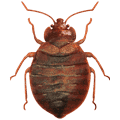
Bed bugs (the dominant risk). Sources: guest luggage, returned linen from off-site laundry, used furniture for cost-control reasons. Every operator we've worked with has had at least one bed bug incident; the question is detection speed and isolation, not prevention.
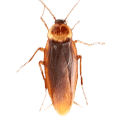
Cockroaches in F&B back-of-house. Same dynamics as any restaurant kitchen. Worse in older buildings where the kitchen plumbing connects to the rest of the property's drainage.
Drain flies in unused drains. Boutique hotels have the classic problem of intermittently-used drains in pool changing areas, basement laundry, secondary kitchens. Drains develop biofilm, drain flies establish.
Rodents in basement laundry and storage. Older buildings with basement laundry rooms accumulate lint and detergent residue that supports rodent populations. Bait stations and structural sealing.
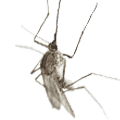
Mosquitoes around outdoor terraces. Especially in courtyard hotels with central greenery. Standing-water audit and source-removal.
Birds on roof terraces. Dubai boutique hotels with rooftop bars or pools see pigeon and gull issues. Exclusion at the structural level.
The bed bug protocol that actually works
For boutique hotels, the bed bug protocol determines everything. We use a four-stage system:
Stage 1 — Detection. Trained housekeeping staff inspect every bed during turnover. Specific check points: mattress seams, headboard joinery, bedside table joints, behind picture frames. Visual detection takes 90-120 seconds with practice. Each room gets a dated digital log of inspection results.
Stage 2 — Encasement. Every mattress and box-spring carries a bed-bug-proof encasement from day one. This is non-negotiable for legitimate hospitality bed-bug control. Encasements eliminate the dominant harborage and make inspection trivial.
Stage 3 — Active monitoring. Climb-up monitor traps under each bed leg. These catch any bug attempting to climb to the bed and provide a continuous signal of any local population. We check these on quarterly visits.
Stage 4 — Response. When a bug is detected (housekeeping report, monitor catch, or guest complaint), the affected room is taken out of inventory immediately, adjacent rooms (left, right, above, below) are inspected within 24 hours, and treatment is initiated. Chemical residual or heat treatment depending on infestation extent. The affected room stays out of inventory for 72-96 hours to permit treatment + ventilation + secondary inspection.
This protocol catches bed bugs early enough that most outbreaks are contained to a single room. Without it — relying on guest complaints as the detection mechanism — outbreaks routinely spread to 4-8 rooms before discovery.
Programme contract structure
For a typical Dubai boutique hotel (30-50 rooms, with restaurant + bar):
Monthly visit (12/year). Single technician, 2-3 hours on site. Coverage: F&B back-of-house full treatment (gel bait crack-and-crevice, dishwasher cavity, walk-in cooler exterior, prep tables), pool/spa drain treatment, basement laundry inspection, lobby/back-of-house monitoring station check, room-monitor sample inspection (5-8 rooms per visit on rotation).
Quarterly intensive (4/year). Two technicians, 6-8 hours on site, typically scheduled overnight. Coverage: full guest-room sample (10-15 rooms), full F&B intensive, building-wide rodent station reset, structural inspection of common areas, refuse zone treatment, exterior perimeter check, full chemical rotation.
On-call response. 24/7 same-day for any guest-facing pest sighting. Target arrival within 90 minutes of alert. Bed bug responses get priority (room out of inventory, immediate inspection of adjacent rooms).
Documentation. Every visit produces a dated report. Quarterly trend analysis. Annual programme review. Full audit packet for Dubai Municipality, DHA, or any tour-operator audit on request.
Staff training. Two staff training sessions per year on pest detection (housekeeping focus), with refresher materials. We provide laminated quick-reference cards for housekeeping carts.
Cost ranges by property size
Small boutique (15-25 rooms, breakfast service only): AED 28,000-46,000 annual.
Mid-size boutique (30-60 rooms, restaurant + breakfast): AED 46,000-85,000 annual.
Larger boutique (60-100 rooms, full F&B + pool): AED 85,000-160,000 annual.
Luxury boutique with significant F&B and rooftop (60-80 rooms but high revenue per room): AED 110,000-220,000 annual depending on operational complexity.
These costs are typically 0.4-0.8% of total room revenue, which is well within hospitality industry pest-control benchmarks. Properties paying substantially less than this band are usually under-covered and accumulating risk; properties paying substantially more are typically running JCI-grade protocols not actually needed at boutique scale.
What to look for in a boutique-hotel pest control vendor
Bed bug protocol depth. Ask the vendor to walk through their bed bug detection, response, and isolation protocol in writing. Vendors that can't articulate the protocol shouldn't be running hospitality work; the bed-bug response is the highest-stakes item in the contract.
Hospitality reference list. Existing boutique hotel clients you can speak to. Generic commercial-pest experience doesn't necessarily transfer; hospitality-specific work is its own discipline.
Out-of-hours capability. Most hotel pest work happens overnight or in low-occupancy windows. Daytime-only vendors are structurally a poor fit.
DHA + Dubai Municipality dual-compliance. Boutique hotels with F&B need both. Some vendors handle one well and the other less well.
Discretion. Hotels need vendors who arrive in unmarked vehicles, work without disrupting guest experience, and don't post about their hotel work on social media. Discretion is a real consideration in this category.
Specific situations boutique hotels face
Sudden bed bug claim from a recent guest. Take the affected room out of inventory immediately. Inspect adjacent rooms within 24 hours. Arrange treatment within 48 hours. Communicate with the guest professionally — refunds and forward-looking acknowledgment beat denial. Document everything for the operations record.
TripAdvisor mention of "insects in room." Investigate the specific room. Often turns out to be ants from a balcony or moths from a guest's luggage rather than bed bugs, but treat seriously — review damage scales fast in hospitality.
Restaurant inspection reveals cockroach activity. Cease food service immediately, accelerate the next pest visit, document the response, communicate with DHA proactively if required by any compliance commitment. Recovery is faster with proactive engagement.
Mosquito complaint at outdoor terrace. Source-removal audit on the terrace and surrounding zones. Bti larvicide for any standing water identified. If terrace is high-traffic dining, consider permanent fan deployment for adult-mosquito reduction.
Pigeon issues on rooftop. Structural exclusion (netting, spikes) installed during low-occupancy nights. Cleaning of any dropping accumulation before exclusion. Coordinated with architect/designer if rooftop has visible heritage features.
FAQ
Are boutique hotels in Dubai required to have a pest control contract?
Dubai Municipality's commercial pest control compliance applies to F&B businesses; the hotel as a whole isn't required by law to have a pest contract but operates on the practical assumption that one exists. For F&B, contractual pest control is effectively required.
How is bed bug treatment for a hotel different from a residential apartment?
Hotel protocol is built around speed-to-detection and same-day room isolation. Residential bed bug treatment can take its time scheduling around the family's life. Hotel treatment has to fit a 72-96 hour out-of-inventory window. Different cadence, similar chemistry.
Can I use the same pest control vendor at multiple Dubai boutique properties?
If the vendor has the operational scale, yes — and this often results in price advantages and consistent documentation. Single-vendor coverage simplifies group-level reporting if you operate multiple properties.
What if my hotel building is heritage-listed?
Heritage-listed buildings in Dubai (some Bur Dubai, Deira, and Al Fahidi properties) require chemical and structural intervention compatible with heritage preservation rules. This narrows the chemical and physical exclusion options; an experienced vendor will know how to operate within them.
Related guides: Bed bug treatment cost in Dubai · HACCP pest control for Dubai restaurants · Holiday-home bed bug turnover playbook
If you operate a Dubai boutique hotel and want a programme contract structured for your scale and operational model, contact PestSwift. We service Dubai hospitality across hotel pest control and restaurant pest control with bed bug protocol, F&B compliance, and 24/7 same-day response.
Tags
Written by
Maria Fernandez, Commercial Accounts Lead
PestSwift technicians and entomologists publish field-tested pest control guidance for UAE homes and businesses.