




Bed Bugs
Cimex lectularius
Bed bugs hide in mattress seams, bed frames and headboards and feed on humans at night. Dubai infestations often arrive with luggage from travel — early treatment prevents spread to other rooms.
What bed bugs are
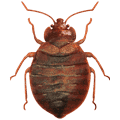
Bed bugs (Cimex lectularius) are reddish-brown, flat, 4-7mm insects that feed exclusively on blood — usually human, while you sleep. They're not a hygiene issue: five-star hotels and brand-new apartments get them just as often as old ones. They travel in luggage, second-hand furniture, online-marketplace mattresses and clothing.
Why bed bugs are hard to treat
Bed bugs are tough. They hide deep — inside box-spring frames, behind headboards, under carpet edges, in wall sockets and skirting cracks. They survive for months without feeding. Eggs are glued to surfaces and resist most surface sprays. A single treatment almost never clears an established infestation.
Our standard bed bug protocol is:
- HEPA vacuum every harborage — mattress seams, frame, headboard, carpet edges
- Steam treatment at 120°C+ for cracks where heat can reach
- Targeted residual application of long-residual insecticide in cracks
- Mattress encasement to trap remaining bugs
- Two follow-up visits at 14 and 28 days to catch newly-hatched nymphs
For severe cases we offer whole-room heat treatment (heating the room to 50°C+ for several hours), which kills all life stages in one visit.
What to do before we arrive
Do not move bedding to other rooms — that just spreads the infestation. Bag visibly affected linens for hot-wash, leave the bed in place, and we'll treat in situ.
How to identify
- Adults: 4-7mm, reddish-brown, flat, oval (apple-seed shape)
- Nymphs: smaller, paler, translucent before feeding
- Eggs: 1mm, white, glued in clusters in cracks
- Distinct musty / coriander-like odour in heavy infestations
Signs of infestation
- Bites in lines or clusters, usually on arms, neck, shoulders
- Small blood spots on sheets (crushed bugs)
- Dark fecal spots along mattress seams (look like ballpoint pen dots)
- Shed exoskeletons in cracks of the bed frame
- Live bugs along piping, in screw holes, behind headboard
Where they hide
- Mattress seams and tufts
- Box spring corners and screw holes
- Headboard back and bolt holes
- Skirting board edges within 2m of the bed
- Behind picture frames near the bed
- Inside electrical sockets near the bed
Health risks
- Allergic reactions to bites (welts, intense itch)
- Secondary bacterial infection from scratching
- Sleep disruption and significant psychological stress
- Not known to transmit disease
Prevention tips
- Inspect hotel mattress seams before unpacking when travelling
- Wash and tumble-dry-hot all clothes after travel
- Avoid second-hand mattresses and upholstered furniture
- Use a mattress encasement (also helps detect re-infestation early)
Our treatment methods
- HEPA vacuum extraction
- Steam treatment (>120°C)
- Targeted residual insecticide in cracks
- Mattress encasement
- Whole-room heat treatment (severe cases)
Lifecycle in UAE conditions
- 1 Female bed bugs lay 1-5 eggs daily, glued in clusters in cracks — up to 500 eggs per lifetime.
- 2 Eggs hatch in 6-10 days into translucent nymphs; nymphs need a blood meal to molt at each of 5 stages.
- 3 Full development from egg to adult takes 5-8 weeks at Dubai indoor temperatures.
- 4 Adults can survive 4-6 months without feeding — extreme starvation tolerance makes empty-room treatment unreliable.
- 5 Populations double approximately every 16 days under typical conditions — early detection matters.
Before we arrive
- Strip and bag bedding in sealed plastic — wash on hot (60°C+) and tumble-dry hot
- Don't move the mattress, frame or bedside furniture to other rooms — that spreads the infestation
- Vacuum mattress seams and box-spring corners (HEPA bag, then seal and discard)
- Empty the closet adjacent to the bed; bag clothes for hot-wash treatment
- Pull the bed 30cm from the wall so we can access the headboard back and skirting
After treatment
- Don't make the bed for 24 hours; let treated cracks dry undisturbed
- Re-install a zippered mattress encasement — these trap any survivors and make detection easier
- Vacuum daily for the first 2 weeks (HEPA bag, sealed, discarded outside)
- Don't sleep in another room — bed bugs follow CO₂; emptying the bed pushes them into neighbouring rooms
- Call us if you see bites or live bugs 21+ days after the second visit — re-treatment is included in warranty
When DIY isn't enough
Bed bugs cannot be reliably eliminated DIY. They hide deep — inside box-spring frames, behind headboards, in screw holes, electrical sockets and skirting cracks 2m from the bed. Consumer sprays kill the surface bugs you see but miss the eggs and the deep harborages, and treated bugs migrate to neighbouring rooms. Professional treatment combines vacuum extraction, steam, residual chemistry and follow-up timed to the egg-hatch cycle — that timing is what actually breaks the population.
UAE regulatory context
Hotels in Dubai operating under DTCM licensing are required to maintain proactive bed bug detection and rapid-response treatment protocols. A guest complaint linked to confirmed bed bugs can trigger emergency-inspection escalation. We work to DTCM-aligned hotel protocols and offer the same standard-of-care for residential clients.
Frequently asked
Related pests
More on bed bugs from the PestSwift blog
Field-tested guides written by our technicians and entomologists.
Bed Bug Treatment in Al Furjan: Heat vs Chemical in an Azizi Studio
Al Furjan's tight Azizi tower layouts make heat treatment harder than people expect. Here's how we actually clear a studio without bouncing bugs to the next flat.
29 May 2026
Commercial Pest ControlPest Control for UAE University Dorms: Why September Always Brings Bed Bugs
Dubai Academic City sees the same bed bug surge every October. The cause arrives in the suitcases of international intake students six weeks earlier.
28 May 2026
Pricing & Cost GuidesWhat Whole-Building Pest Treatment Actually Costs in Dubai
When a single flat won't fix the riser, the owners' association has to. Real per-stack, per-floor, and per-building numbers from recent jobs.
27 May 2026
Pest Treatment GuidesBed Bug Treatment in International City: What Budget Shared Housing Gets Wrong
In partitioned International City flats the bed bugs aren't just yours — they belong to the building. Why single-room sprays fail and what clears a shared unit.
20 May 2026
Need bed bugs treatment now?
Same-day callouts across every Dubai neighbourhood. Free inspection, fixed price.