




Termites
Isoptera
Subterranean termites silently destroy wooden door frames, skirting, gypsum and structural timber across Dubai villas. Treatment requires a chemical soil barrier — not surface spraying.
What termites do in Dubai properties
The UAE's dominant termite is the subterranean termite (Heterotermes indicola and Coptotermes species). They live underground, build mud tubes up walls and into wood, and quietly consume the cellulose in skirting, door frames, gypsum board paper, parquet floors and structural timber. By the time you spot them, damage is usually six to eighteen months in.
How termite treatment actually works
Surface spraying does nothing for subterranean termites — they live in soil. Real treatment uses one of three methods:
- Chemical soil barrier (post-construction) — drilling and injecting termiticide into the soil at the foundation perimeter, creating a chemical zone that termites cannot cross
- Wood treatment — direct injection or surface application of borate or fipronil-based product into infested timber
- Bait stations — in-ground stations containing slow-acting bait that workers carry back to the colony
For active infestations in established villas we typically combine soil barrier + wood injection, with a 12-month warranty.
Pre-construction is the cheapest option
If you're building a villa, pre-construction termite treatment (chemical soil treatment before the slab is poured) is 5-10× cheaper than treating the same property post-construction. We offer this as a separate service — see Pre-Construction Termite Treatment.
How to identify
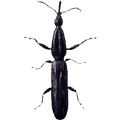
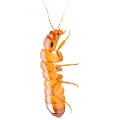
- Pale, ant-like 6-10mm worker termites (no waist constriction)
- Dark winged swarmers (alates) emerging April-July
- Discarded wings on window sills after a swarm
- Mud tubes on walls, foundation perimeter or under skirting
Signs of infestation
- Mud tubes (pencil-thick) climbing exterior or interior walls
- Hollow-sounding wood when tapped
- Sagging or buckling laminate / parquet floors
- Tiny pinholes in gypsum or skirting with frass (sawdust-like droppings)
- Discarded wings near windows or under lights
Where they hide
- Door and window frames (especially ground floor)
- Skirting boards and corners
- Wooden staircases and balustrades
- Below-grade gypsum walls
- Garden landscaping with wood mulch
- Stored cardboard or paper in garages
Health risks
- No direct human health risk
- Severe property damage — structural beams, doors, gypsum, flooring
- Insurance often excludes termite damage; early treatment matters
Prevention tips
- Fix water leaks promptly — termites need moisture
- Keep wood mulch and stored timber 30cm away from villa walls
- Treat new wood furniture with borate before bringing indoors
- Schedule an inspection every 2 years for older villas
Our treatment methods
- Chemical soil barrier (perimeter injection)
- Wood injection (fipronil / imidacloprid)
- In-ground bait stations
- Pre-construction soil treatment (for new builds)
Lifecycle in UAE conditions
- 1 Queens deep in soil colonies lay 1,000+ eggs daily — a single mature colony can hold a million workers.
- 2 Eggs hatch into nymphs in 2-3 weeks; nymphs differentiate into workers, soldiers or alates depending on colony need.
- 3 Workers tunnel through soil and into wood, carrying cellulose back to the colony — visible damage usually 6-18 months in.
- 4 Alates (winged reproductives) swarm April-July in the UAE, particularly after rare summer humidity spikes — discarded wings on window sills are the classic giveaway.
- 5 New colonies are founded by paired alates within 24-48 hours of swarming.
Before we arrive
- Clear access to skirting boards, door frames and any visible mud tubes
- Move furniture 30cm from walls in suspected rooms
- Identify and clear any landscape mulch or stored timber within 1m of villa walls
- Note any plumbing leaks — termites need moisture, leaks accelerate colonies
- Pets and children should leave the immediate work area for 1-2 hours
After treatment
- Don't water the foundation soil within 24 hours of barrier injection
- Don't dig within 1m of the foundation perimeter for 30 days
- Watch for new mud tubes or swarmer activity in the 4-6 weeks after — call us if any appear
- Schedule the included annual inspection to verify barrier integrity
- Keep the warranty certificate — it transfers on property sale
When DIY isn't enough
Any visible mud tube, swarming alate, hollow-sounding wood or sagging laminate is a red flag. Termite damage compounds quickly — by the time you see surface signs, the colony has been working for months. Hardware-store termiticides can't reach a subterranean colony; the only real fix is a professionally applied chemical soil barrier or bait-station programme.
UAE regulatory context
Dubai Municipality requires licensed operators for chemical termiticide application. Approved actives include fipronil and imidacloprid; banned and restricted compounds are listed in the municipality's annual chemical handling guidelines. Every treatment must be logged and the SDS available on-property.
Frequently asked
Related pests
More on termites from the PestSwift blog
Field-tested guides written by our technicians and entomologists.
Termite Treatment in Mudon: Slab Perimeter Protocol for Phase 1 and Phase 2 Villas
Mudon's two villa generations need different anti-termite drill patterns. Here's the protocol a DM-approved technician follows and what it actually costs.
29 May 2026
Pest Treatment GuidesTermite Treatment for Nad Al Sheba Villas: What the Soil and Landscaping Demand
Nad Al Sheba's irrigated landscaping and older villa stock create one of Dubai's most consistent subterranean termite zones. Here's the protocol that holds.
26 May 2026
Pest Treatment GuidesTermite Treatment for Palm Jumeirah Frond Villas: Why Saltwater Soil Changes the Chemistry
Palm Jumeirah villas sit on dredged-sand fill with a saline water table 2-3 m down. That shortens chemical-barrier life and forces a different treatment choice.
18 May 2026
Pest Treatment GuidesTermite Treatment in Town Square Nshama: What 5-Year Villas Are Seeing First
Nshama villas hit year five and Heterotermes indicola starts showing up on garden-wall expansion joints. Here's the construction profile that drives it and the AED 2,200–3,800 barrier protocol.
17 May 2026
Need termites treatment now?
Same-day callouts across every Dubai neighbourhood. Free inspection, fixed price.