











DIFC offices look like other Dubai offices on the surface — same Class A glass-and-steel towers, same shared kitchens and meeting rooms, same building management structures. The difference is regulatory. DIFC is a financial free zone with its own legal jurisdiction, its own building safety regulator (Trakhees), and tenant populations (banks, law firms, regulated financial entities) with documented audit requirements that ripple back into building service contracts.
When a regulated DIFC tenant logs a pest sighting in their workspace, what happens next is more rigorous than in a typical Dubai office. The pest control vendor's documentation, technician credentials, and chemical traceability all become evidence in the regulated tenant's compliance record. If your contractor can't produce the paperwork, the tenant's audit gets harder.
Here's what DIFC office pest control actually requires and how programme contracts work.
The two regulatory layers
Trakhees Public Health. Trakhees is the building-safety regulator for several Dubai free zones including DIFC. Their public health requirements cover pest control specifically — what chemicals can be used, what documentation must be retained, how often common areas must be treated, how facility-management contracts must specify pest control scope. Trakhees inspections of building common areas are routine; tenant-space audits are typically driven by complaint or by tenant-initiated request.
DIFC Authority Public Health. DIFC has its own internal public health framework on top of Trakhees, applicable to DIFC-licensed tenants and DIFC-managed common areas. The two frameworks are largely aligned but the DIFC Authority adds tenant-facing reporting requirements (especially for food-service tenants in DIFC Gate Village and similar) that go beyond Trakhees minimums.
For most office-tenant work, the practical compliance question is: does the pest control vendor's documentation satisfy both Trakhees and DIFC Authority audit standards? A vendor that's been doing DIFC work for years will know this; a generic Dubai pest control company stepping into a DIFC contract for the first time often doesn't.
What DIFC offices actually have problems with
Over the past several years of DIFC commercial work, the recurring pest issues are:
Cockroaches in shared kitchens and pantry areas. Every DIFC office has at least one shared kitchen. Coffee machines, microwave ovens, fridges, the underside of countertops — all are German cockroach harbourage if not maintained. The high-rise plumbing risers connect floor-to-floor, so a cockroach issue in floor 12's pantry can supply foragers to floors 11 and 13 within weeks.
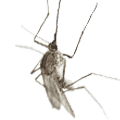
Drain flies (Psychoda) in kitchenette sinks and shower drains. DIFC offices increasingly have shower facilities for cycling-to-work staff. The drains aren't on heavy use, biofilm accumulates, drain flies establish. Tenants notice them as small dark flying insects near the kitchen and assume it's a hygiene complaint.
Pharaoh ants in document-storage areas. Trail across desk surfaces toward food residues. Particularly aggressive in offices with frequent late-night ordering and food left at desks. Pharaoh ants bud in response to spray treatment, so DIY responses make the problem worse.
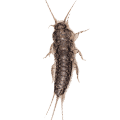
Booklice (Psocoptera) in stored archives. Document storage rooms in DIFC offices accumulate paper records, often in cardboard boxes. If humidity is above 60%, booklice establish — small, pale, fast, often confused with bed bug nymphs by panicked staff. Harmless to humans but their presence prompts tenant inquiry that escalates fast.
Pigeons on building external ledges and HVAC equipment platforms. Building-level rather than tenant-level but tenants see the dropping accumulation on external glass and report it. Resolution requires building-management coordination.
Rodents in service corridors and shared waste bays. Always in DIFC towers, less often in tenant space (good cleaning + active waste management keeps them out). When tenants do see rodents, it's usually in lobbies near building service entrances or in floors with kitchen waste storage.
What a DIFC programme contract actually involves
For a typical mid-size DIFC tenant (3,000-5,000 sq ft, 30-60 employees, food-service or pantry service component):
Monthly visit. A single technician visit per month, scheduled out-of-hours (typically 19:00-22:00 weekdays or weekend mornings). Coverage: full pantry/kitchen treatment, walk-through of meeting rooms and breakout areas, document storage check, monitoring station inspection. Approximately 90 minutes on site per visit. Detailed report submitted within 24 hours.
Quarterly intensive. One visit per quarter is extended (3-4 hours) covering full residual treatment cycle, chemical rotation, structural inspection of building service penetrations, monitoring station reset. This is the visit where the technician gets behind the kick plates of food-service equipment, opens up the dishwasher base panels, and inspects the IT room (rodents like server room warmth).
On-call response. Same-day response to urgent sightings, included in the contract. Most DIFC tenants get 1-3 on-call calls per year — a single cockroach spotted in a shared kitchen, a drain fly cluster near a sink, etc. The response is part of the programme.
Documentation. Every visit produces:
- Site visit report with photos.
- Chemical use log (active ingredient, MOCCAE registration number, batch, volume applied per zone).
- Trend chart updated quarterly showing pest activity by zone.
- Annual programme review document.
- Audit-response packet template, ready to hand to a tenant's compliance team if requested.
Chemical handling. All chemicals used are MOCCAE-registered and Trakhees-permitted. SDS (Safety Data Sheets) for every active ingredient retained on site at the office (usually in the FM office or HR safety cabinet) and copies provided to the tenant's HSE lead. No off-list chemicals; no "borrowed" supplies between client sites.
Cost ranges for DIFC office programmes
Small office (under 2,000 sq ft, 10-25 employees, modest pantry): AED 14,000-22,000 annual contract. Monthly visit + on-call.
Mid-size office (2,000-6,000 sq ft, 25-80 employees, kitchen + meeting kitchens + document storage): AED 22,000-42,000 annual.
Large office (6,000-15,000 sq ft, 80-200 employees, full canteen and food-prep area): AED 42,000-95,000 annual depending on canteen scope.
Full DIFC tower programme (single contractor for tower common areas + retail tenants in podium): AED 250,000-650,000 annual depending on tower size.
DIFC pricing is approximately 30-50% higher than equivalent mainland Dubai office work. The premium reflects the tighter documentation requirements, the out-of-hours service mandate, and the regulatory familiarity overhead. Tenants paying mainland-Dubai rates for DIFC work are almost always getting work that won't survive a serious audit.
What to look for in a DIFC pest control vendor
Existing DIFC client base. Ask for references in DIFC specifically — not "Dubai offices," but DIFC offices. The compliance requirements differ enough that mainland experience doesn't translate cleanly.
Trakhees and DIFC Authority documentation familiarity. The vendor should be able to walk you through the document set they produce: visit reports, chemical logs, trend charts, SDS packet, annual review. If they hand you a generic "pest control report" with no structure, walk away.
Out-of-hours scheduling capability. DIFC tenant work is almost universally out-of-hours. A vendor that does only daytime work is structurally a poor fit; the office can't host a treatment during working hours without disrupting client meetings.
Regulated-tenant audit experience. Banks and law firms in DIFC are subject to internal compliance audits. Their pest control contractor's documentation gets pulled into those audits. A vendor that's been through this process before will know what compliance teams look for; one that hasn't will surprise you.
Same-vendor coverage across DIFC and broader Dubai. If your firm has multiple Dubai locations (DIFC office plus mainland branches plus Sheikh Zayed Road towers, etc.), single-vendor coverage simplifies your compliance reporting and chemical traceability. Splitting between vendors is workable but increases overhead.
Audit response — what a tenant actually does
If a regulated DIFC tenant gets an audit request that includes pest control documentation:
Standard request elements.
- Last 12 months of visit reports.
- Chemical use log with MOCCAE registration confirmations.
- SDS for every active ingredient used.
- Trend chart showing pest activity over the audit period.
- Vendor contract showing scope, frequency, and emergency response provisions.
- Vendor licensing documentation (Dubai Municipality approval, Trakhees permit if applicable).
- Chemical re-entry interval logs for any treatment that affected food-prep zones.
What the auditor is looking for.
- Coverage matches the scope contracted (not "we treated kitchen" when contract specifies "kitchen, pantry, meeting rooms, document storage").
- Trend data shows declining or controlled pest activity, not escalating.
- All chemicals on the approved registries.
- No gaps in the visit cycle.
- Audit packet matches what's in the FM office's records.
Where audits commonly find issues.
- Vendor changed mid-period; documentation doesn't bridge the change.
- Chemicals on the use log that aren't on MOCCAE register.
- Trend chart absent or fabricated.
- On-call responses not logged (a phone-call resolution that didn't generate a visit record).
A vendor with proper systems automates almost all of this. A vendor that doesn't will leave the tenant scrambling 48 hours before an audit deadline. We've helped clients respond to audits with 48-hour windows; with proper records the response is straightforward, without proper records it's expensive.
FAQ
Is pest control more expensive in DIFC than mainland Dubai?
Yes, typically 30-50% premium for equivalent scope. The premium reflects out-of-hours scheduling, tighter documentation, and audit-readiness overhead. Cheaper DIFC pest control usually means substandard documentation that fails when the tenant needs it.
Can my DIFC office tenant pick the pest control vendor or does the building?
Usually building-controlled for common areas; tenant-selected for tenant-specific space. Most DIFC towers offer tenants the option to use the building's vendor for tenant space (for chemical traceability simplicity) or to bring in their own vendor.
What if my DIFC tenant has a food-service operation?
Food service in DIFC adds DIFC Authority Public Health oversight and HACCP-compliant pest control documentation requirements. The contract scope and pricing rise accordingly; expect AED 35,000-85,000 annual for a typical DIFC food-service tenant.
How quickly do DIFC pest control vendors respond to a sighting report?
Standard same-day response for urgent issues during business hours; next-morning for after-hours reports. Most DIFC contracts include the on-call response in the annual fee with a target response window in the contract.
Related guides: JCI hospital pest control programme · Drain flies in Dubai mall food courts · How to read a UAE pest control quote
If your DIFC office or tower needs pest control with full Trakhees and DIFC Authority compliance documentation, contact PestSwift. We service DIFC and broader Dubai office pest control with regulated-tenant audit-ready paperwork.
Tags
Written by
Maria Fernandez, Commercial Accounts Lead
PestSwift technicians and entomologists publish field-tested pest control guidance for UAE homes and businesses.