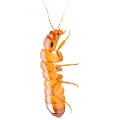











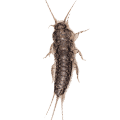


A 12,000 sq ft Lulu in Sharjah called us on a Thursday afternoon. The DM inspector had just left with a written warning: live cockroach activity observed in the bakery backroom, stored product moth larvae in the pet food aisle, drosophila population in the fruit handling area. Three findings, fourteen-day re-inspection window, manager visibly stressed.
The supermarket had a pest control AMC with monthly visits. The contractor was DM-approved. The chemicals were on the right list. What was missing was the zone discipline — the technician was treating the store as a single space rather than the six distinct risk zones a supermarket actually contains.
We took over the account, wrote a six-zone protocol, passed the re-inspection on day twelve, and have run the account 18 months without further findings. The pattern repeats across every UAE supermarket we audit.
The six zones
A supermarket isn't a single risk environment. It's six.
Zone 1 — Deli and butchery backroom
The walk-in chiller, slicer station, and prep counter behind the deli display. High protein content, frequent cleaning required, cold ambient. Risks: Periplaneta americana (American cockroaches living near cold-water plumbing), drosophila on protein juice spills, occasional stored-product beetles from received cured products.
Monitoring: glue traps behind chillers, drain treatment for drosophila, insect light traps at the door to the prep area. Cleaning frequency: complete sanitation of slicer, counter, drains every 6 hours minimum.
Zone 2 — Bakery production
Flour-based, warm, and continuous. The single highest-risk zone in most UAE supermarkets. Risks: stored-product moths and weevils in the flour bins, German cockroaches behind ovens, ants on the icing prep table.
Monitoring: pheromone traps for moths replaced fortnightly, gel-bait deep placement around oven motors and prep counters, IGR application monthly. Avoid any chemical spray during operating hours; bakery production almost never stops.
Zone 3 — Pet food aisle
The single most under-treated zone in most supermarket AMCs. Pet food (especially dry kibble and bird seed) breeds Indian meal moths reliably. The aisle is rarely walked by management, customers don't notice the moths, and the contractor doesn't think about it.
Monitoring: moth pheromone traps at three points along the aisle, replaced monthly, with trap counts logged. Bay rotation enforced — manager checks and rotates pet food stock weekly to surface any infested package before it spreads to neighbours on the shelf.
Zone 4 — Refrigeration motor bays and condensate drains
The back of every chiller cabinet has a motor bay and a condensate drain. The drain pan is warm, wet, and continuously fed. Cockroaches breed there.
Monitoring: condensate pan inspection monthly, IGR-treated bait inside the motor bay, cleaning cycle for drain pans every 30 days minimum. Any chiller cabinet without a clean drain pan is a cockroach factory.
Zone 5 — Dry-store mezzanine
Received stock waiting to be put on the floor. Pallets, cardboard, wrapped pallets stored 2 to 3 metres deep. Risks: rodents (Norway rats nest in undisturbed pallet stacks against perimeter walls), stored-product beetles, occasional bird intrusion through loading bay.
Monitoring: bait stations every 5 metres along perimeter, fortnightly inspection. Stock rotation enforced FIFO with no pallet sitting longer than 14 days against a wall.
Zone 6 — Dumpster bay and back-of-house corridor
The external waste area and the corridor connecting it to the back-of-house door. Rodents, cockroaches, and flies all converge here. The pest pressure pushed against the rest of the supermarket comes from this zone.
Monitoring: external bait stations weighted and locked along boundary wall, daily waste removal, dumpster lid integrity check fortnightly. The back-of-house door must self-close and seal at the bottom — gaps here are the entry route for the rest of the building.
How DM and ADPHC actually inspect
In Dubai, DM Public Health Pest Control inspectors walk a defined route: deli backroom → bakery → pet food aisle → one chiller motor bay → dry store → external waste. Six zones, fifteen to thirty minutes per zone for a full inspection. The deli and bakery are the highest-weight zones; findings there carry more weight than findings elsewhere.
In Abu Dhabi, ADPHC follows a similar zone structure with stricter chemical-safety questions — they ask to see the chemical SDS for every product on the technician's truck, not just the ones used today.
In Sharjah, the municipality's inspection regime is similar to DM's in scope but with shorter audit cycles for supermarkets in the older trade-license zones.
The documentation that has to be ready in a binder, on demand:
- Pest control AMC contract and current DM/ADPHC contractor NOC
- Service log for the past 12 months, by zone and by station
- Chemical SDS for every product currently in use
- Trend report from the contractor (quarterly or monthly)
- Last inspection findings and the contractor's response/correction notes
Most supermarkets keep these in three different folders held by three different people. Consolidating them into a single audit binder is the cheapest compliance investment a supermarket can make.
What proper supermarket AMC pricing looks like
For a 12,000 to 20,000 sq ft UAE supermarket with full deli + bakery + pet food sections:
- Monthly visit AMC, six-zone protocol: AED 1,400 to AED 2,200 per month
- Bi-weekly visits during high-risk seasons (Ramadan, summer): add AED 500 to AED 800 monthly for the period
- Audit-readiness binder build (one-off): AED 1,200 to AED 2,000
- Emergency response for live activity between visits: typically included for AMC clients
The AED 800-a-month quotes you see on lower-tier platforms cover three to four zones with simplified monitoring. They will pass relaxed inspections; they won't pass the sharper ones, and post-2023 the inspections have been getting sharper.
The HACCP overlay
If your supermarket carries HACCP certification (most major chains do, plus regional independents pursuing wholesale supply contracts), the pest control program is part of the HACCP plan. The auditor will ask:
- Is the pest control contractor named in the HACCP plan?
- Do the chemicals used align with the plan's allowed-substance list?
- Is the corrective-action protocol for pest sightings written down and trained?
- Are the zone-by-zone inspection records consistent with the plan's prevention objectives?
The HACCP and DM/ADPHC compliance frameworks overlap by roughly 70%. Treating them as a single program rather than two is the right approach.
Frequently asked questions
How often should a UAE supermarket have pest control visits?
Monthly is the regulatory minimum. For supermarkets with active deli, bakery, or fruit sections, fortnightly is the operationally correct cadence. During Ramadan and the August–September peak, weekly visits in the bakery and deli are common.
Are stored product moths in pet food a serious problem?
Yes, more than most managers realise. Indian meal moths in pet food can spread to dry goods aisles within weeks if uncontrolled. They aren't a customer health risk in pet food specifically, but the reputational risk of a customer photographing moths in a Lulu/Carrefour is significant. Pheromone trap monitoring and stock rotation are the controls.
Can a supermarket get an exemption from monthly pest control if our hygiene is exceptional?
No. The DM and ADPHC frameworks require monthly visits as a baseline regardless of hygiene level. Exceptional hygiene reduces the findings count but not the visit cadence.
What's the typical timeline to fix a failed DM inspection finding?
14 days is standard for a pest-related finding. Within those 14 days the contractor and supermarket together need to: address the root cause, document the corrective action, increase monitoring at the affected zone, and have the documentation ready for re-inspection. We've turned around tougher findings within 5 to 7 days when the supermarket cooperates fully.
Get the zone audit done before the inspector does
If your supermarket's last DM/ADPHC inspection had any findings, or if you've recently changed AMC contractor, a six-zone audit is the right starting point. We do these on a fixed-fee basis: walk the zones with the store manager, document gaps, write the corrective action plan, and reset the AMC scope.
Get in touch and tell us the supermarket size and current AMC contractor. The HACCP restaurant post covers the F&B-specific compliance angle; the Al Quoz warehouse post covers the rodent monitoring discipline that underpins zone 5 and zone 6. The full commercial pest control service page has the broader scope.
Tags
Written by
Maria Fernandez, Commercial Accounts Lead
PestSwift technicians and entomologists publish field-tested pest control guidance for UAE homes and businesses.