
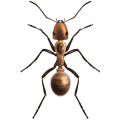

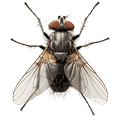


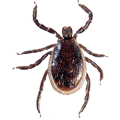

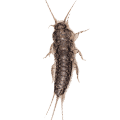

We get asked this question several times every week, usually in some form of: "My landlord won't pay for the bed bug treatment — what are my rights?" The honest answer is more nuanced than either side wants to hear. UAE tenancy law, the standard tenancy contracts in use across the four major emirates, and the actual decisions of the Rent Disputes Committees (RDCs) all point to a split responsibility that depends on three things: whether the pest existed before the tenant moved in, whether the cause is structural or behavioural, and which emirate the property is in.
Here's the operator's-eye breakdown of how it actually works in real disputes.
The general principle across UAE
The baseline legal frame across UAE: the landlord is responsible for delivering and maintaining a property that's habitable and free from defects existing at the start of tenancy. The tenant is responsible for using the property reasonably and not causing avoidable damage.
Applied to pest control, that translates roughly:
Landlord responsibility (typically):
- Pre-existing pest issues at move-in (cockroach colonies in the kitchen on day one).
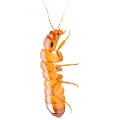
- Structural pest issues (termite damage to building structure, rodent entry through unsealed building gaps).
- Building-wide issues affecting the unit (cockroach migration from shared plumbing risers, building-level pigeon nesting, common-area termite pressure).
- Initial pest-free handover at the start of tenancy.
Tenant responsibility (typically):
- Pest issues introduced during tenancy by the tenant's actions or belongings (bed bugs from a returning suitcase, cockroaches from poor kitchen hygiene, ants from unsecured food storage).
- Routine maintenance pest control during occupancy (the cost of keeping the unit pest-free during the lease).
- Damage caused by the tenant's pet or visitors.
- Pest issues triggered by the tenant's modification or use of the property (pigeon nesting in a balcony cluttered with abandoned planters, etc.).
Grey zone (responsibility unclear):
- Bed bugs from a previous tenant, surfacing weeks after move-in.
- Termite damage that started years before tenancy but became visible during it.
- Cockroach pressure from neighbouring units (whose responsibility — building, neighbour, you?).
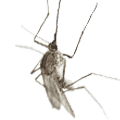
- Mosquito breeding in the property's drainage that's a building-construction defect.
The grey zone is where most disputes actually live.
Dubai specifically (RERA and RDC framework)
Dubai's tenancy framework is the most developed of the four major emirates. The Real Estate Regulatory Agency (RERA) issues guidance, and the Rent Disputes Centre (RDC) hears actual disputes.
In Dubai disputes we've witnessed or supported:
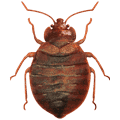
Bed bugs surfacing within first 30 days of tenancy. RDC has consistently treated this as landlord responsibility, on the reasoning that the infestation existed before move-in and the tenant couldn't reasonably have detected it during a viewing. Landlord pays for treatment.
Bed bugs surfacing 6+ months into tenancy. Treated as tenant responsibility unless the tenant can demonstrate (with documentation) that the infestation source was pre-existing and dormant — for example, by showing eggs or evidence of historic infestation in concealed zones. Without that documentation, tenant pays.
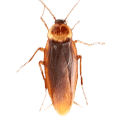
Cockroaches in a building with active building-wide cockroach pressure. Building-wide treatment is landlord/OA responsibility. Tenant-unit-specific treatment is tenant responsibility. Where the issue is clearly building-wide (shared risers, chute bay), RDC has occasionally compelled landlords to pursue building-wide treatment, but the pathway is slow.
Termite damage discovered during tenancy. Landlord responsibility for treatment and structural repair. Damage to the tenant's furniture and belongings is the tenant's loss unless they can show the landlord failed in maintenance duty (e.g., didn't act on prior tenant reports of termite activity).
Pigeon nesting on balcony. Generally landlord responsibility for installing exclusion measures (netting, AC unit cages), tenant responsibility for keeping the balcony free of food sources and standing water that attracts birds.
A tenant taking a pest dispute to RDC needs to file with documentation: photos, dates, written communications with the landlord, copies of any pest control invoices, and where possible an independent pest control inspection report identifying the cause and likely origin of the infestation.
Abu Dhabi (Tawtheeq + Department of Municipalities and Transport)
Abu Dhabi's tenancy disputes route through the Department of Municipalities and Transport (DMT) and the Tawtheeq registration system.
The substantive principles are similar to Dubai's. Differences:
- Pest issues in serviced or fully-furnished apartments lean more heavily landlord-responsibility, because the furnishings are owner property.
- Abu Dhabi's labour-accommodation pest issues have specific regulations beyond standard tenancy — these are handled separately under accommodation-grade health-and-safety rules.
- The free public-health pest service from ADPHC (800555) handles public-health pests and can sometimes intervene in rental disputes where the issue is venomous animals or significant rodent populations.
For disputes, the practical move is documented written request to landlord first, escalation to DMT if landlord refuses to act on a clear case.
Sharjah and Ajman
Sharjah and Ajman have lighter tenancy dispute infrastructure but the basic principles align with the federal framework.
In practice:
- Sharjah disputes route through the Sharjah Rent Disputes Centre (similar process to Dubai's RDC).
- Ajman disputes route through the Ajman Rent Disputes Committee, with a smaller caseload and faster resolution times in our experience.
- Both emirates' municipality-approved pest control invoices carry weight in disputes — a documented inspection from a licensed company is the strongest single piece of evidence a tenant can produce.
How to document pest issues for landlord claims
The single highest-value action a tenant can take when they spot a pest issue is to document it correctly from day one:
Day 1 — Photograph and date. Photos of the pest, the location, any droppings or damage. Get a date stamp on the photos (most phones do this automatically; verify your phone is set correctly).
Day 1 — Written notice to landlord/agent. Email or WhatsApp with photos. This becomes the formal record. Verbal notice is much weaker if the case escalates.
Day 2-7 — Independent inspection. Schedule a licensed pest control company for an inspection-and-quote visit. Get the inspector's professional opinion on whether the issue is recent or established, written into the report. Their report — "this looks like a long-established colony" or "this looks like a recent introduction" — is the most influential single document in any dispute.
Week 1 — Reasonable response window. Give the landlord a reasonable window to respond and remedy (typically 5-7 days for active infestations, longer for less urgent issues). Document any responses.
Week 2+ — Either resolution or escalation. If landlord acts and the issue is resolved, keep all documentation for at least 12 months. If landlord refuses or fails to act, escalate to RDC (Dubai), DMT (Abu Dhabi), the Sharjah RDC, or the Ajman dispute committee with the documented file.
The biggest mistake tenants make is calling the landlord, getting a verbal "yes I'll handle it," and not documenting. Three months later when the issue isn't fixed, there's no paper trail.
Common scenarios and the right move
Bed bugs in a furnished short-term rental. The mattress and furniture belong to the landlord (or holiday-home operator). Bed bugs in landlord-owned furniture is landlord responsibility for treatment. Document with photos including the mattress label/manufacturer date if visible (helps establish the bedding pre-dates your tenancy).
Cockroaches in a long-term unfurnished rental of 18 months. Probably tenant responsibility unless the issue is clearly building-wide or you can show structural cause. Quarterly maintenance treatment is reasonable as a tenant cost; expecting landlord coverage for routine pest control during a long tenancy is uphill.
Sudden rat sighting in a villa garden after years of no issues. Likely landlord responsibility if the cause is a structural deterioration (broken compound wall, unsealed manhole, building-side rodent vector). Tenant responsibility if cause is tenant action (uncovered compost bin, food waste storage, etc.).
Pigeon nest on the balcony of a 2-year tenancy. Mixed. The bird exclusion structural work (netting, AC cages) is landlord/building. The cleanup is more often tenant. Negotiate before either party acts unilaterally.
Termite damage discovered during your tenancy. Landlord responsibility for treatment and structural repair. Document and notify in writing immediately; termite damage compounds rapidly and a delayed report can complicate the claim.
What landlords should know
From the landlord side, the most cost-effective approach is:
Inspect and treat between tenancies. A pre-handover pest inspection ensures the new tenant inherits a clean unit. Avoids the early-tenancy bed bug claim that's expensive to defend.
Document the handover state. Photos and ideally a pest inspection report dated to the handover. Establishes a baseline that protects against later disputes.
Building-level programmes for owned multiple units. If you own multiple units in the same building, joining or pushing for a building-wide pest programme is more cost-effective than per-unit-per-tenant disputes.
Quick response to documented tenant reports. Even when responsibility is unclear, fast resolution of documented pest issues prevents the dispute from escalating. The cost of a treatment is usually 2-5x lower than the cost of a contested RDC case.
FAQ
Can I withhold rent in UAE if my landlord won't fix a pest issue?
Generally no, this is not a recognised remedy. The right route is documented request, reasonable response window, and escalation to the relevant emirate's tenancy dispute body. Withholding rent unilaterally usually weakens the tenant's case.
What if my UAE landlord uses an unlicensed pest control company?
You have the right to refuse access to your unit by an unlicensed operator (chemical safety is a tenant interest). Request licensed company verification (Dubai Municipality, Sharjah Municipality, Ajman Municipality, or Abu Dhabi-equivalent approval) before allowing treatment. If landlord insists on unlicensed work, document the refusal and propose a licensed alternative.
Who pays if the pest issue is from my neighbour's unit?
In apartments, this is usually building-level — building/OA responsibility for treating the building-wide issue, your unit cost for unit-specific treatment. In villas, your neighbour's pest issue isn't directly your responsibility but you have limited remedies; you can flag to community management, document any spillover effect, and treat your own perimeter accordingly.
Will UAE health insurance cover medical issues caused by pests?
Generally yes — bed bug bites, wasp stings, snake bites all fall under standard medical coverage. Get medical attention promptly, retain medical records, and these can support tenancy disputes if the cause is a pest issue the landlord failed to address.
Related guides: How to read a UAE pest control quote
If you're a UAE tenant facing a pest issue and want a documented inspection report to support a landlord claim, contact PestSwift. We provide written inspection reports that meet RDC documentation standards and service Dubai, Abu Dhabi, Sharjah, and Ajman with full municipality-compliant documentation.
Tags
Written by
Maria Fernandez, Commercial Accounts Lead
PestSwift technicians and entomologists publish field-tested pest control guidance for UAE homes and businesses.