



The Abu Dhabi Public Health Centre took over public-health pest control from Tadweer Group in 2024 as part of a wider consolidation of health-related municipal services. The change was announced through ADPHC's media office and covered in Gulf News, Khaleej Times, and the Abu Dhabi Media Office. Most Abu Dhabi residents missed it. Two years on, we still get weekly questions from new tenants and homeowners who don't know that 800555 is a free service or what exactly it covers.
The scope split between ADPHC's free public-health pest control and what a licensed private contractor (us, Shinex, Mazaya, Rentokil Boecker, others) handles is genuinely confusing. ADPHC's own website lists the categories but doesn't always make the boundary obvious. Here's the working version we explain to tenants and homeowners every week.
What ADPHC actually covers — for free
ADPHC's public-health pest control programme is funded by the Department of Health Abu Dhabi and runs at no cost to the resident. The scope:
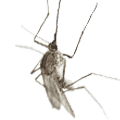
- Disease-vector mosquitoes — Aedes aegypti, Culex pipiens, and species of public-health concern. Indoor and outdoor.
- Rodents in private homes and on adjacent municipal land.
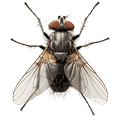
- Public-health flies — including those linked to enteric disease transmission.
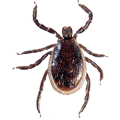
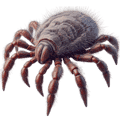
- Ticks — particularly hard ticks of livestock-and-camel concern but also residential infestations.
- Snakes including Arabian sand boas, sand vipers, and any encountered species. Removal and relocation.
- Scorpions — particularly Hottentotta tamulus and yellow-tail scorpions in residential settings.
- Wasps and hornets when nesting in structures or trees on private property.
The service includes inspection, identification, treatment (with public-health-approved chemicals), and follow-up where needed. Trained ADPHC technicians dispatch from regional bases across the emirate including Abu Dhabi Island, Al Ain, and the Western Region.
What ADPHC doesn't cover
Structural and comfort pests are not in scope. ADPHC won't handle:
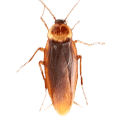
- Cockroaches — German cockroaches in your kitchen, American cockroaches in your bathroom, or any species in residential premises. These are private-contractor work.
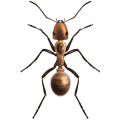
- Ants — Pharaoh, ghost, sugar, pavement, carpenter. Private only.
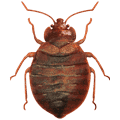
- Bed bugs — anywhere, any species, any infestation level. Private only.
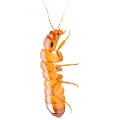
- Termites — Coptotermes or Microtermes attacking wooden structures. Private only. Termites do attack public health indirectly through structural damage but ADPHC's mandate doesn't reach them.
- Stored-product pests — pantry moths, grain weevils, rice mites, food storage beetles. Private only.
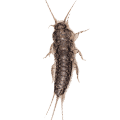
- Silverfish, dust mites, spiders in residential premises. Private only unless the spider is a venomous species of public-health concern.
- Flies in commercial F&B contexts. Restaurants and food-court stations need their own private contractor under HACCP.
The simple rule: ADPHC handles what could carry a disease or directly harm someone (vectors, venomous animals). Everything that's a comfort or structural problem is on you and your contractor.
How to request ADPHC service
Two channels.
Phone: Dial 800555 (the unified Abu Dhabi government contact number). When the menu plays, select Department of Health, Abu Dhabi. Describe the pest type, the location, and your contact details. The operator will create a request reference. Service is dispatched typically within 24-72 hours; emergencies (snake in occupied home, child with multiple wasp stings, scorpion in bedroom) get same-day response.
TAMM platform: Sign in at tamm.abudhabi with your UAE Pass. Search for "Pest Control Service" under Department of Health. Submit the request with location pin and photos. Track status through the app.
ADPHC will not ask you for payment for any service that falls in their public-health scope. If anyone calling themselves an ADPHC technician requests payment, that's a fraud attempt — report through 800555.
When private (PestSwift or similar) is the right call
Even when your pest is technically in ADPHC's scope, there are valid reasons to go private:
Speed. ADPHC's 24-72 hour standard window is fine for non-urgent cases. If you need same-morning response (rat in a kitchen with toddlers, an active wasp nest at a kid's birthday party that afternoon), private contractors can be on site in 1-3 hours.
Documentation. Tenants in landlord disputes, OAs preparing for an inspection, hospitals preparing for JCI re-accreditation — all need written reports with photos, chemical inventory, technician credentials, follow-up schedules. Private contractors provide this as standard. ADPHC operates a service log internally but doesn't routinely issue tenant-facing reports.
Ongoing contracts. Monthly mosquito audits, quarterly villa-perimeter treatment, annual termite re-inspection — all out of scope for ADPHC's reactive model. Private contractors offer maintenance contracts.
Comprehensive scope. A single villa often has issues that span scopes: a rat sighting (ADPHC), a cockroach hint (private), an outdoor mosquito complaint (ADPHC), and a termite tap-test concern (private). Booking one private visit covers the lot in one visit.
A working decision tree
When you spot a pest:
- Is it a venomous animal — snake, scorpion, hornet swarm? → 800555 for emergency dispatch.
- Is it a vector mosquito or indoor rat with no urgency? → 800555 or TAMM, expect 24-72 hour response.
- Is it cockroaches, ants, bed bugs, termites, or stored-product pests? → Private contractor only.
- Do you need same-day response for any pest? → Private contractor.
- Do you need written documentation for landlord, employer, or compliance? → Private contractor.
- Do you want ongoing prevention rather than one-off? → Private contractor on contract.
- Mixed pests — one private, one public? → Either, but private usually closes the whole list in one visit.
ADPHC and private contractors aren't competitors
Worth saying: every legitimate private pest contractor operating in Abu Dhabi holds an ADPHC work permit. ADPHC issues and renews these for all public-health pest-control activities, oversees pesticide management, and audits contractor practices.
Practically that means: when you hire PestSwift in Abu Dhabi, the technician on your job is operating under ADPHC oversight. The chemicals they apply are on the ADPHC-approved list. The applicator credentials are reviewed by ADPHC. The two systems work in parallel, not in opposition.
This is different from how it works in Dubai, where Dubai Municipality holds the regulator role, or Sharjah, where Sharjah Municipality and the SEWA-affiliated environment department share oversight. UAE pest control is regulated by the emirate, not federally. Working across emirates means navigating three different licensing regimes.
What this means for landlords and tenants
A frequent dispute we mediate: a tenant in Khalifa City sees rats in the garden, calls ADPHC, gets a response in two days, but the landlord wants documentation that pest treatment happened. ADPHC's verbal report or service-record screenshot isn't always accepted by the landlord's property manager.
Solution: where documentation matters, layer private. Use ADPHC for the actual eradication (free, effective, but lightly documented) and book a brief private inspection (AED 250-400) for a written report you can hand to the landlord. Some landlords (Aldar Properties, IMKAN, several private OAs) will reimburse the inspection fee if the pest issue stems from a building-side cause.
Tenants in commercial premises (F&B operators in mall food courts, hotel operators, hospital facility managers) almost never use ADPHC for routine work — the documentation requirements are too heavy. ADPHC is the right call for a venomous-animal emergency in a commercial context (snake in a hotel kitchen, for example) and otherwise contracts run private.
A quick example
Last August, an Al Reef tenant called us at 8 AM about a wasp nest above her front door. Her son had been stung the previous evening, a follow-up sting that morning, and she had her two-year-old in the house. We talked her through it: this was textbook ADPHC scope (stinging insect, public-health risk, child involved), free, and they could be there within 4-6 hours. She called 800555. ADPHC removed the nest by 1 PM. We didn't bill. She called us back two months later for an annual termite inspection on her villa — that one was on us at AED 450, a service ADPHC doesn't provide.
That's the working pattern. ADPHC handles the urgent public-health response. Private contractors handle the structural, the ongoing, the documented, and the comfort.
FAQ
Is ADPHC pest control free?
Yes, for residents of the Emirate of Abu Dhabi when the pest falls in the public-health scope (mosquitoes, rats, snakes, scorpions, ticks, wasps, public-health flies). No payment is taken at any point in the process.
How do I register a pest complaint via TAMM?
Sign in to tamm.abudhabi with your UAE Pass. Search for "Pest Control Service" under Department of Health. Submit with photos and location pin. Track status in the app.
What pests does ADPHC handle vs private companies?
ADPHC: mosquitoes, rodents, snakes, scorpions, wasps, ticks, public-health flies. Private: cockroaches, ants, bed bugs, termites, silverfish, stored-product pests, commercial-context flies.
Do private pest companies need ADPHC permits to operate in Abu Dhabi?
Yes. Every legitimate private contractor in Abu Dhabi holds an ADPHC work permit covering pest-control activities, pesticide management, and applicator certification. Ask any contractor for their ADPHC permit number before hiring.
If your Abu Dhabi pest issue falls outside ADPHC's free scope, contact PestSwift. We hold a current ADPHC permit and run villa pest control and apartment programmes across Khalifa City and surrounding districts. For mosquitoes and rodents, ADPHC's free service is often the right first call — we're happy to advise.
Tags
Written by
Maria Fernandez, Commercial Accounts Lead
PestSwift technicians and entomologists publish field-tested pest control guidance for UAE homes and businesses.