









What "DM-approved" actually means on a treatment certificate
Honestly, most people don't read the chemical names on the treatment certificate they sign. They look for the company name, the price, and the warranty. If your certificate has anything at all in the "Product Used" column, it's probably DM-approved — because using anything else in a Dubai food premise or licensed-pest-control context is a regulatory violation that ends most companies.
The certificate is the part you should read.
Dubai Municipality maintains a registered pesticide list — the official list of active ingredients permitted for use by licensed pest control operators in the emirate. The Ministry of Climate Change and Environment maintains the federal list. The November 2024 update was significant; 167 actives were reviewed and banned, and another 32 were restricted to limited use by licensed operators only. Aluminium phosphide and zinc phosphide pesticides are banned outright in the UAE for residential use, with limited registered exceptions for specific commercial fumigation contexts.
For homeowners, the practical question isn't "is this pesticide on the list" — your DM-licensed contractor cannot legally use anything else. The practical question is which of the approved actives is the right call for your situation, and is your contractor able to tell you which one they're using and why.
The actives you should know by name
Below is the practical short list — the active ingredients that show up on most legitimate residential treatment certificates in Dubai, what they're for, and what to expect.
Fipronil (residential and commercial, on the DM list)
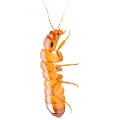
A non-repellent insecticide widely used for cockroach gel-bait and as a soil termiticide barrier. Workers contact treated zones, carry the active back to harborage, and transfer it through the colony. Slow-acting by design — the colony eats the corpses, transfer happens, the colony collapses over 7–21 days. Excellent for German cockroaches and subterranean termites. Standard concentration: 0.05% in gel-bait, 0.06% in termite barrier solution. If you're ever told "fipronil works in 24 hours" by a salesperson, you're being misled — fast knockdown isn't its mechanism.
Imidacloprid (residential and commercial)
A neonicotinoid, also non-repellent, also transferable. Used as soil termiticide barrier (alternative to fipronil), residual surface, and seed treatment in agriculture. For pest control purposes, primarily termite barrier. Persistence in sandy fill is shorter than fipronil; we use it on newer-build villas where the soil profile suits it.
Hydramethylnon (residential and commercial)
Cockroach and ant gel-bait active. Transferable, slow-acting (4–7 day mortality), excellent for ant colonies that are protein-foraging. Lower mammalian toxicity than older actives. Standard dose 2.0% in commercial gel.
Indoxacarb (residential and commercial)
Newer active for cockroach and ant gel. Activated inside the insect by metabolic enzymes, which means it has very low non-target toxicity to mammals and pets. We default to indoxacarb gels in homes with cats, small children, or food-prep surfaces nearby.
Deltamethrin and bifenthrin (residential and commercial, restricted by use rate)
Pyrethroid residuals, repellent and fast-acting. Used for crack-and-crevice, perimeter spray, and ULV mosquito fogging. The two most common "spray" actives in residential pest control. Effective when used as part of an integrated programme; problematic when used alone (knocks down adults without addressing harborage, can cause behavioural avoidance in some pests).
Hydroprene and methoprene (insect growth regulators)
Not adulticides — they prevent juvenile insects from moulting into reproductive adults. Critical for ending colonies. Almost zero mammalian toxicity at use rates. Standard component of any serious cockroach or flea programme.
Pyriproxyfen (insect growth regulator)
Similar to methoprene, slightly different mechanism. Common in flea and ant programmes.
Bacillus thuringiensis israelensis (BTI) (biological larvicide)
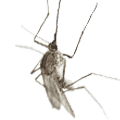
Bacterial product, kills mosquito and blackfly larvae specifically. Zero impact on fish, birds, mammals, or beneficial insects. Standard active in any responsible mosquito programme.
Cholecalciferol (rodenticide, non-anticoagulant)
Vitamin D3 at lethal dose to rodents. Acute toxicant, used in tamper-resistant external bait stations. Lower secondary-poisoning risk to non-target predators than anticoagulants. Increasingly preferred over warfarin and brodifacoum for residential settings with pets.
Bromadiolone, brodifacoum (rodenticides, second-generation anticoagulants, restricted)
Still on the list, used commercially, increasingly avoided in residential settings due to secondary poisoning risk. Some UAE rodent populations show partial resistance.
If your treatment certificate names actives outside this list, that's not necessarily wrong — there are dozens of registered products — but it's worth asking your contractor why.
What's been banned and why it matters
The 2024 review of the federal pesticide list took 167 actives off the table. Most of them are agricultural products that wouldn't appear on a residential certificate anyway (many older organochlorines, certain organophosphates, several legacy fungicides). For pest control purposes, the bans most relevant to homeowners:
- Aluminium phosphide in residential and most commercial contexts (very restricted use only). Historically misused as a "tablet thrown into a basement" rodent fumigant, with multiple deaths regionally over the past two decades. If anyone offers to "tablet your basement" or "fumigate the storage room with aluminium phosphide," that is illegal and dangerous.
- Zinc phosphide at residential concentrations in casual use. Still permitted in tightly regulated commercial rodent baiting in specific contexts.
- Several legacy carbamate residuals that had pet and pollinator toxicity profiles below current standards.
The bans matter because the operators who used them were often the lowest-priced in the market. A cheap quote that promised "permanent rodent solution overnight" was sometimes hiding aluminium phosphide use. After the 2024 enforcement push, that has tightened.
How to read a treatment certificate
A legitimate DM-licensed pest control treatment certificate should include all of the following. If yours is missing more than two of these items, ask the contractor to reissue:
- Contractor's name, address, and DM licence number — the licence number especially. Without it, the certificate is not regulatory evidence.
- Date and time of treatment
- Site address and contact person
- Areas treated (list specific rooms, not just "the apartment")
- Products used by name — chemical name and brand. Not "general purpose insecticide."
- Concentration applied for each product
- Quantity applied (litres of mixed solution, grams of bait, number of bait stations)
- Method of application (gel placement, residual spray, ULV fogging, soil injection)
- Re-entry timing — when occupants can return to treated areas
- Technician's name and signature
- Warranty terms — what triggers a free callback
- SDS (Safety Data Sheet) reference for each product, available on request
A short paragraph on a generic letterhead with "pest control performed" and a price is not a treatment certificate. It's a receipt. If that's what you've been given, you should not consider yourself documented for any compliance purpose.
When the cheaper company isn't really cheaper
A homeowner in Dubai Hills told us last year that they had been quoted AED 80 for a "complete cockroach treatment" by a company found through a classified site. The visit happened. A technician sprayed two rooms with what the homeowner thought was insecticide; no certificate was issued, no chemical was named, no follow-up was offered.
Three weeks later the cockroaches were back. The homeowner called us. We spent the first 20 minutes of the inspection trying to identify what had been used previously — the smell suggested an oil-based pyrethrin household aerosol, possibly something not on the DM list at all. Bait acceptance from our gel was poor for the first week, consistent with surfaces having been recently sprayed with a repellent product.
The "cheaper" treatment cost the homeowner AED 80, three weeks, and made the subsequent legitimate treatment marginally harder. The economics are obvious in hindsight. But the framing matters — when a quote is dramatically below market, it almost always reflects unlicensed product, unlicensed operator, or both.
What to ask your contractor before signing
Five questions, and the answers should come without hesitation:
- What is your DM licence number?
- What chemicals will you use on this job?
- What's the re-entry time?
- What's the warranty, and what triggers a free callback?
- Will I get a written treatment certificate, and can I see a sample now?
A good contractor answers all five in a minute. A weak one stalls, generalises, or gets defensive. That's the diagnostic.
Frequently asked questions
How do I know if a pesticide my contractor used is DM-approved?
Ask for the chemical name on the certificate, then check it against the most recent registered pesticide list (published by the Ministry of Climate Change and Environment / Ministry of Environment & Water; updated periodically — the most recent major update was November 2024). DM-licensed contractors can only legally use registered products, but errors and unregulated subcontracting do happen. The certificate is the audit trail.
What chemicals are banned in the UAE for residential pest control?
Aluminium phosphide and most zinc phosphide formulations for residential use, multiple legacy organochlorines, certain higher-toxicity organophosphates, and a number of older carbamates. The 2024 review banned 167 actives across agricultural and structural pest contexts; most that affect homeowners directly are older spray-grade products that have been off legitimate residential menus for years. The ban tightened informal market access.
Is pyrethroid spray safe for kids and pets in a UAE apartment?
At label rate, yes — pyrethroids like deltamethrin and bifenthrin have decades of household use and a well-characterised safety profile in mammals. Cats are more sensitive than dogs; very high cat exposure (e.g. licking a freshly sprayed surface) can cause neurological symptoms. Standard re-entry timing is 2–4 hours after application or until the residual has dried; for households with cats, we extend to 6 hours and apply only as crack-and-crevice rather than broadcast.
Which approved chemical works best for cockroaches in Dubai homes?
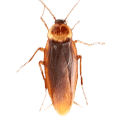
For German cockroaches in apartment kitchens: a hydramethylnon or fipronil gel-bait combined with a hydroprene IGR is the gold-standard residential protocol. For Periplaneta (American) cockroaches in villa drains and exteriors: a deltamethrin or bifenthrin perimeter residual plus drain-site gel bait. The right active depends on the species and harborage, not on which product happens to be cheapest at the wholesaler. A contractor who uses the same chemical on every job regardless of pest situation is using a hammer for everything.
Talk to us about a transparent treatment
Every PestSwift visit comes with a full treatment certificate listing chemical names, concentrations, application rates, and our DM licence number. If you have a certificate from another contractor and you're not sure what was actually used, send us a photo and we'll tell you straight. Get a transparent quote or read about our apartment pest control service and villa pest control service. For more on what specific actives mean for treatment outcomes, see our cockroach treatment notes and our termite barrier guide.
Tags
Written by
Dr. Karim El-Sayed, Lead Entomologist
PestSwift technicians and entomologists publish field-tested pest control guidance for UAE homes and businesses.