
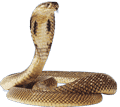
Snakes in UAE residential gardens are increasing, not decreasing. The species that matters most is the saw-scaled viper (Echis carinatus), which is the country's deadliest snake by mortality rate per bite, and which has shifted from being a desert species to being increasingly common in irrigated suburban gardens. Saadiyat, Khalifa City, Al Barari, Mirdif, MBZ City, parts of Sharjah's Al Suyoh — all of these have logged saw-scaled viper sightings in the past two years that wouldn't have happened in those areas 15 years ago.
If you spot a snake in your garden or near your home, the right move depends on which species it is and where you are. Here's the operator's-eye decision tree.
The species you actually need to identify
Saw-scaled viper (Echis carinatus / Echis pyramidum). The UAE's most medically important venomous snake. Small — typically 30-60 cm long — with a triangular head, vertically slit pupils, and rough, keeled scales that produce a distinctive rasping sound when the snake rubs its body coils together (the "saw" of the name). Colour varies from light tan to greyish-brown with a series of darker zigzag or oval blotches along the back. Found near irrigation, AC condensate puddles, garden compost piles. Extremely irritable when disturbed; will strike with little provocation.
Sand viper / Arabian horned viper (Cerastes gasperettii). Pale sandy colour with darker bars; named for the small horns above each eye. Mostly desert habitat — sand dunes, gravel plains — but occasionally found near rural villas with sandy compounds. Less aggressive than saw-scaled but still venomous and dangerous. Identification clue: the horns and the typical "sidewinding" movement on sand.
Wadi racer (Platyceps rhodorachis) and similar harmless colubrids. Slim, fast-moving, often glossy in appearance. Common in UAE gardens, eat lizards and small rodents, completely harmless to humans. ID clue: round pupils (not slit), no triangular head, no aggressive coil-and-strike posture. Slim build, smooth scales.
False horned viper (Pseudocerastes persicus). Resembles the sand viper but with raised supraocular scales rather than true horns. Mostly hill habitat in northern emirates. Less common.
Other species (sand boa, Arabian sand snake, hooded malpolon) are rare in residential settings and either harmless or only mildly venomous.
The rule of thumb: if you see a triangular head, vertically slit pupils, rough scales, and the snake is in or near an irrigated/wet area in the UAE — assume saw-scaled viper, do not approach, and call for removal immediately.
Why UAE saw-scaled viper sightings are rising
Field data from local herpetologists and from our own incident logs show three drivers:
Garden irrigation. The saw-scaled viper is desert-adapted but thrives wherever it can find a steady water source. Drip-irrigated gardens, swimming pool overflow channels, and AC condensate drains all create reliable water in what used to be habitat too dry to support the species in residential numbers. The snake follows the water inward from the desert margin.
AC condensate as a thermal microhabitat. Outdoor AC compressor units drip cool, fresh water at consistent temperatures. The pad of damp ground under a compressor is one of the most reliably-used saw-scaled viper microhabitats we encounter in UAE gardens.
Suburban edge expansion. New developments at the desert margins — MBZ City, Khalifa City, parts of Saadiyat, Mirdif's outer streets, Sharjah's Al Tay and Al Suyoh — push residential housing into former snake habitat. The species doesn't relocate; the houses arrive in their territory.
ADPHC 800555 — what's free and what isn't
In Abu Dhabi, the Public Health Centre runs a free snake removal service via 800555. This is genuinely free for residents and operates 24/7. The service covers:
- Snake sightings inside residential properties (villas, gardens, garages).
- Snake sightings on shared building grounds (apartment block external areas).
- Public area snake encounters.
- Suspected venomous species in any of the above.
Response time in our experience: typically 60-180 minutes during business hours, longer overnight. The crew arrives with proper handling equipment (snake hook, transport tube), removes the snake, and relocates it to suitable habitat away from human population. They do not generally treat the property afterward — that's where private services come in.
In Dubai, the equivalent service runs through Dubai Municipality's public health team via 800-900 (Dubai Municipality general line) or through the building's facilities management contact. The service is free for residents but the response time and consistency varies more than ADPHC's. We see Dubai Municipality crews dispatched within 2-4 hours typically.
In Sharjah, the 993 hotline handles snake calls. Generally responsive in our experience.
In Ajman, the public health pest control request via the Ajman Digital portal handles snake reports. Response is reasonable.
For non-venomous snakes, all four emirates' public services will still respond if you report. The crew will identify and relocate.
When private removal makes sense
With free public services available, private snake removal is justified in specific cases:
Speed matters more than cost. Public services typically arrive in 1-3 hours. If you have a small child or vulnerable family member, paying AED 350-700 for a 30-60 minute private response can be reasonable.
You want post-removal habitat audit. Public crews remove the snake but don't typically inspect for what attracted it. A private service can do both — remove the snake, then walk the property to identify the moisture sources, garden cover, and rodent populations that brought it in. This second step prevents re-attraction; the public service is reactive only.
Recurring sightings. A single snake is one event. Multiple snakes over weeks or months indicates an active habitat issue at your property. Private service for habitat modification is the appropriate scope.
You're outside the public service catchment. Outlying farm areas, some industrial zones, certain free-zone properties may have unclear public service coverage. Private operators run UAE-wide.
For commercial properties (hotels, malls, schools), the response time and documentation requirements often justify private contract. Free public service is fine for one-off incidents; ongoing risk management isn't its job.
What private snake removal actually involves
PestSwift's snake response, like most legitimate UAE services:
Initial call. Get the species description if possible (size, colour, head shape, location). For obvious saw-scaled viper indicators, dispatch is immediate; for unknown species, the technician is briefed for caution.
Site arrival within 60-180 minutes. Standard kit: snake hook (for safe lifting), transport tube (clear plastic, snake's-eye-view safe), bite-proof gloves, full PPE. Antivenom is not carried by routine technicians — that's a hospital-administered medication.
Snake capture and contained transport. The snake is lifted with the hook, guided into the transport tube, secured. Resident is briefed about which species was caught and the medical implications if there had been a bite.
Habitat audit. Walk the perimeter and identify the entry vector (which is rarely under a closed door — it's almost always a hole in the compound wall, a gap under a gate, an irrigation manhole, or an unsealed pool equipment pit). Document with photos.
Recommendations. Sealing of identified entry vectors. Modification of moisture-attracting features (better AC condensate routing, irrigation timing changes). Rodent control if rodent activity is the reason a snake was hunting in your garden — saw-scaled vipers eat young rats, geckos, and small lizards.
Snake release. UAE law requires venomous-species relocation by authorised personnel. We coordinate with public-sector wildlife teams or, for non-venomous species, release directly to suitable habitat away from residential areas.
Cost: AED 350-750 for a single snake removal call with habitat audit. Recurring contract for higher-risk properties (e.g., a Saadiyat villa with documented snake activity): AED 1,800-3,200 annual for quarterly perimeter inspections plus on-call response.
What absolutely not to do
Don't try to kill it. Most snake-bite injuries we encounter are people who tried to attack a snake and were bitten in the process. The defensive strike range of a saw-scaled viper is roughly its body length — a 50 cm snake can strike 50 cm. The shovel approach is high-risk.
Don't pick it up by hand. Even harmless snakes bite when grabbed; venomous ones do worse. There's no informed-amateur version of this safe.
Don't trap it under a bucket. This works occasionally and goes wrong occasionally. The snake under the bucket may strike when the bucket is lifted, may have travelled when you check 5 minutes later, and creates a high-anxiety situation while you wait for help. Just maintain visual distance and call.
Don't move kids/pets toward it. Backwards is the only correct direction. Saw-scaled vipers in particular do not flee from large mammals; they coil and warn (the sawing sound) and strike if approached.
Do call immediately. ADPHC at 800555 in Abu Dhabi, Dubai Municipality at 800-900 (or your building FM contact) in Dubai, 993 in Sharjah, the Ajman Digital portal in Ajman. Or your private contractor.
FAQ
Is the saw-scaled viper really the UAE's deadliest snake?
Yes, by mortality rate per untreated bite. Several other species are venomous (sand viper, false horned viper, sea snakes), but the saw-scaled viper is more aggressive, more common in residential settings now, and produces venom that's particularly slow to neutralise. UAE hospitals carry the antivenom.
Can a saw-scaled viper get inside my house?
Uncommon but documented. They follow rodents, geckos, and AC condensate. Most house-entry incidents involve gaps under exterior doors, unsealed AC line penetrations, or open garage/utility room doors during cool evening hours when the snake is active.
Will ADPHC's free service come for a non-venomous snake?
Yes. The service responds to any snake report. The crew identifies and relocates regardless of species.
How fast is the saw-scaled viper venom?
Medical timeline varies but envenomation effects can develop within hours. Bite victims should reach a UAE hospital with antivenom capacity within 60-90 minutes for best outcomes. All four emirates have hospitals stocking the appropriate antivenom; the dispatcher when you call 999 will route you appropriately.
Related guides: Spider myths vs real risk in UAE villas · Wasp and hornet nest removal across the UAE
If you've spotted a snake at your UAE property and want a private response with habitat audit, contact PestSwift. For free snake removal in Abu Dhabi call ADPHC at 800555; in Dubai call 800-900; in Sharjah call 993. PestSwift services Dubai, Abu Dhabi, Sharjah, and Ajman with villa pest control and perimeter habitat assessment.
Tags
Written by
Dr. Karim El-Sayed, Lead Entomologist
PestSwift technicians and entomologists publish field-tested pest control guidance for UAE homes and businesses.