

Why the dog keeps scratching after the AED 180 spot-on
The usual story goes like this. A Dubai apartment with a small dog. Owner notices the dog scratching unusually. Bites on her own ankles. Trip to the vet, AED 180 for a Bravecto chewable or a Frontline Plus spot-on. Two weeks later the dog is still scratching. Owner calls the vet, asks if the product worked. Vet says — correctly — yes, the dog is clear. The fleas in the apartment are not. Welcome to the most under-explained pest problem in the UAE.
The flea life cycle puts 95% of the population off the host. Adult fleas on the pet are about 5% of any infestation. The other 95% sits as eggs, larvae, and pupae in carpet pile, sofa fabric, between tile grout lines, and inside the dog bed's foam interior. The vet treatment kills the adult fleas on the dog. The 95% mature on their normal schedule, find the dog again, bite, and the cycle restarts.
The protocol that actually works is dual — pet treatment from the vet, home treatment from a pest control company, timed to overlap. The price discussion below is for that protocol.
What's in the bill
This is the real cost stack for a UAE flea treatment that works.
Pet side — your vet
- Spot-on or oral medication, large dog (20–40 kg): AED 90–180 per dose. Brand matters less than continuity — every month for 3 months is the protocol that breaks the cycle.
- Cat spot-on: AED 70–140 per dose, same 3-month run.
- Vet examination if not already current: AED 150–250.
- Multiple pets: each animal needs treatment. Three-pet apartments are typical; budget accordingly.
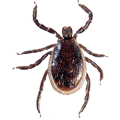
Most vet products available in UAE — Bravecto, Frontline Plus, NexGard, Advocate — are appropriate for the UAE's flea and tick profile (Ctenocephalides felis is the dominant flea species; Rhipicephalus sanguineus, the brown dog tick, is the dominant tick). The vet selects based on the animal's age, weight, and species.
Home side — pest control company
- Apartment (1–2 BR) initial treatment: AED 450–650
- Apartment (3 BR or duplex): AED 650–900
- Villa (3–4 BR): AED 750–1,100
- Villa (5+ BR): AED 1,100–1,800
- 14-day re-treatment: AED 250–400 (typically half the initial visit)
- Carpet hot-water extraction add-on: AED 350–650 per visit (recommended for heavy infestations)
Total realistic cost
For a small Dubai apartment with one dog, total cost over a 3-month treatment cycle:
- Vet: AED 90–180 × 3 = AED 270–540
- Home pest control: AED 450–650 + AED 250–400 re-treatment = AED 700–1,050
- Carpet extraction (optional): AED 350–650
Total: AED 970–2,240 depending on apartment size, infestation severity, and whether the carpet add-on is taken.
For a 5-BR villa with three pets:
- Vet: AED 90–180 × 3 pets × 3 months = AED 810–1,620
- Home pest control: AED 1,100–1,800 + AED 500–700 re-treatment = AED 1,600–2,500
- Carpet extraction: AED 650–1,200
Total: AED 3,060–5,320
Why the home treatment cost varies
Three factors:
- Floor coverage area — bigger home, more chemical, more time. Linear with area to a point.
- Surface profile — heavy carpet, multiple rugs, fabric sofa, pet beds throughout = higher product use and more thorough treatment. All-tile flooring, leather sofa, single washable pet bed = simpler, cheaper.
- Outdoor exposure — villa with garden, tick pressure from foliage and shaded soil, requires garden perimeter treatment in addition to interior. Apartment with balcony only is interior-focused.
This is why pest control companies that quote AED 200 for an apartment flea treatment often deliver a single spray of the visible floor and miss the eggs and pupae deep in the carpet pile and sofa fabric. The product cost difference between a thorough job and a superficial job is small — the time and IGR dosage difference is large.
What's actually in the home treatment
A proper flea treatment for a UAE apartment or villa has three components.
1. Adult flea kill — residual surface treatment
A pyrethroid suspension concentrate (Deltamethrin or Cypermethrin) applied to carpets, fabric upholstery, pet bed locations, baseboards, under-furniture edges, and any surface where the pet rests. Targets adult fleas and recently-hatched young adults.
Application rate matters. Light surface mist is the failure pattern. Proper dosage soaks the carpet pile enough that residual remains active for 14–21 days through normal vacuuming.
2. Larval and egg interruption — Insect Growth Regulator (IGR)
This is the component most cheap treatments skip. S-methoprene or Pyriproxyfen mixed into the pyrethroid suspension, applied to the same surfaces. IGRs prevent flea larvae developing into adults — they stop the cycle from regenerating from the 95% off-host population.
Without IGR, the adult kill is real but temporary. Two weeks later the next larval cohort matures and you're seeing fleas again.
3. Vacuuming protocol post-treatment
The homeowner's job. Vacuum every day for 14 days post-treatment. Empty the vacuum bag or canister outside the apartment immediately. Vacuum mechanical action helps emerge pupae out of their cocoons into the residual chemical zone where the pyrethroid kills them. Skip this step and the pupae overwinter in their cocoons for up to several months, emerging when activity vibration (you walking across the floor) triggers them.
The dual-treatment timing
This is the part most people miss. Pet treatment and home treatment should be same week, ideally same day. Treatment of the home alone forces fleas back onto the untreated pet. Treatment of the pet alone leaves the home population to mature and re-infest.
The protocol:
- Day 1: vet treats the pet(s). Owner schedules pest control for same-day or next-day. Owner does a deep vacuum of the home before pest control arrives.
- Day 1 or 2: pest control performs the residual + IGR treatment. Pets and humans vacate for 2–4 hours during treatment and until surfaces dry.
- Days 3–14: daily vacuuming. Pet wears the vet product. Re-enter normal routine.
- Day 14–21: pest control returns for re-treatment. Catches any pupae that emerged after the day-1 treatment.
- Day 30, 60: pet receives next vet dose. Owner monitors for any sign of new fleas.
- Day 90: cycle complete. If no fleas observed, normal preventive maintenance only.
Tick treatment — similar logic, different sites
UAE villas with gardens often have Rhipicephalus sanguineus (brown dog tick) issues distinct from flea problems. Treatment overlaps but adds:
- Garden perimeter residual — bifenthrin granules on lawn, residual spray on shrub interior where ticks quest
- Kennel and pet-bed deep treatment — ticks hide in cracks of wooden kennels, in fabric seams of pet beds
- Wall-base treatment in garden walls — ticks climb walls and lie in wait
Garden tick treatment for a 4-BR villa adds AED 350–600 to the initial visit. Tick pressure in UAE is highest April–November.
For an apartment-specific case study, see flea treatment Dubai apartment with pet.
Chemical safety with pets in the home
This is the conversation we have every job. Three points:
- Cats and pyrethrins — cats are uniquely sensitive to pyrethrin and high-dose pyrethroids. We use formulations and dilutions appropriate for homes with cats. Cats vacate during treatment and stay out until surfaces are fully dry (typically 3–4 hours).
- Bird homes — birds are more sensitive than mammals to airborne residual. Birds vacate the apartment entirely during treatment, not just go to another room.
- Fish tanks — covered tightly during treatment, return air filter on after treatment.
The pest-control company should ask about all pets before quoting. If they don't ask, that's the signal that the protocol is generic rather than home-specific.
For more on the pet-safe approach, see pet-safe baby-safe pest control in Dubai.
Where treatments fail
Five failure patterns we see when called in to re-treat after another company's work:
Failure 1: home alone, no pet treatment. Adults killed in home, host (the dog) repopulates from outside ticks or from a missed life-cycle stage. Owner re-calls the pest control company; not the actual problem.
Failure 2: pet alone, no home treatment. The story at the top of this post. Vet treatment perfect, home cycle continues.
Failure 3: residual without IGR. Adult fleas die, larvae mature on schedule, cycle restarts in 14 days.
Failure 4: no daily vacuuming. Pupae overwinter and emerge weeks later. Owner thinks treatment failed; treatment was actually fine.
Failure 5: outdoor area ignored. Villa garden untreated, ticks and fleas re-enter from outside continually.
The combined-protocol approach addresses all five.
FAQ
Why is the home treatment more expensive than the vet treatment?
Home treatment covers 70–250 square metres of floor and fabric area with two active ingredients applied at thorough dosage. Vet treatment is a few millilitres of topical product or an oral chewable. The product cost is roughly comparable per gram, but the surface area treated is hundreds of times larger.
Can I just use a flea bomb from the supermarket?
Flea bombs (total release aerosols) are widely sold in UAE supermarkets. They kill visible adult fleas in open spaces and miss everything else — fleas in carpet pile, fleas under furniture, eggs in fabric, pupae in cocoons. They also leave broad-surface residue across kitchen surfaces, plates, and food prep zones that's hard to clean. We don't recommend them for occupied homes.
Will the treatment hurt my pet?
When applied correctly with appropriate dilutions and with the pet absent during treatment and until surfaces dry, no. Pets re-enter when the residual is bound to substrate and surface availability for grooming-ingestion is at minimal level. We mark every visit with a re-entry time the pet owner can hold to.
How long until I stop seeing fleas?
Visible adult flea count drops sharply within 48 hours of treatment. New emergences from pupae continue for 5–14 days even with treatment in place. The 14-day re-treatment catches what's still emerging. By day 21 with the dual protocol and daily vacuuming, fleas should be cleared.
What if I have multiple pets and one is a cat?
We use feline-safe formulations and ensure the cat's exclusion period is observed. Costs scale per-pet on the vet side; pest control side scales with home size, not pet count. Multi-pet homes are common and routine — just disclose at the booking call.
Get both sides of the protocol moving
The flea conversation is one of the few where two professionals — your vet and a pest control company — need to coordinate timing. If you've already treated the pet and the home is still active, or vice versa, the next step is the missing half. We can give you a written cost and timing plan that aligns with whatever your vet has prescribed. Get a free PestSwift quote, or read more about our flea and tick control service.
Tags
Written by
Rashid Al Mansoori, Operations Manager
PestSwift technicians and entomologists publish field-tested pest control guidance for UAE homes and businesses.