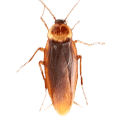




Walking out of a DHA renewal inspection at a four-doctor general practice in Al Wasl last October, the clinic manager handed me a printed citation. Two findings, both pest-related. One: pesticide MSDS sheets not present on site for chemicals used in the previous 12 months. Two: visible evidence of cockroach activity in the staff pantry, including fecal staining behind the microwave. Both findings carried a 30-day rectification window before renewal would be issued.
The pest control vendor had been visiting for six years. Monthly visits, signed paperwork, perimeter spray. The clinic manager had assumed all of that meant inspection-ready. None of it actually met the DHA evidence standard.
Outpatient clinics fall in the middle of UAE healthcare pest regulation — small enough that nobody writes vendor guides specifically for them, large enough that DHA and DOH inspectors expect hospital-grade evidence. The result is the most common pest-related licensing failure pattern in UAE primary care.
What DHA and DOH actually look for
Neither regulator publishes a public pest control checklist. The expectations are inferred from inspection citations our clinic clients have received and from the dental and pharmacy frameworks (which are documented). The pattern that emerges across DHA, DOH and Sharjah Health Authority renewal inspections:
Documented IPM program, not just spray records. Inspectors want to see a written Integrated Pest Management plan that names target pests, identifies clinic-specific risk areas, specifies inspection frequency, and explains non-chemical controls used (sanitation, exclusion, monitoring). A folder of monthly receipts from a sprayer-only vendor does not meet this standard.
Material Safety Data Sheets on site for every chemical used in the last 12 months. The MSDS must be the current manufacturer version, not a vendor-summary card. Inspectors check the date and the chemical name.
Pest sighting log. A simple bound logbook (or printed/signed PDF log) where any staff member can record pest sightings with date, time, location and species if identifiable. Inspectors will spot-check this against the vendor's treatment records to look for unreported sightings.
Technician credentials present. Copy of the technician's DM pest control card on file at the clinic. The treating technician must hold the card; the company holding it on behalf of the technician is not sufficient.
Patient-area chemical restrictions observed. No spraying or fogging in patient examination rooms during clinical hours, no chemical residual on patient-contact surfaces (couches, equipment trays, consultation desks). Treatment limited to crack-and-crevice and lockable bait stations in non-patient zones (storage, staff pantry, back-of-house, exterior perimeter).
Tamper-evident bait stations where rodenticide is used. No loose pellets, no open bait. Stations locked, keyed, labelled with the chemical and the date placed.
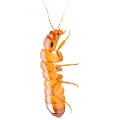
Termite warranty for the clinic premises if the building was constructed before relevant treatment was performed. Especially flagged in older Karama, Bur Dubai, Al Wasl, Khalidiyah and Sharjah Industrial Area buildings.
For DOH-licensed clinics in Abu Dhabi the parallel requirements come through ADPHC's commercial pest control framework and add an ADPHC-registered chemical list (overlaps but is not identical with the DM list). Clinics that operate in both emirates need their vendor's chemical inventory to satisfy both.
The four sites in an outpatient clinic that actually drive pest issues
Outpatient clinic pest pressure is not evenly distributed. Four areas account for almost all of it.
Staff pantry. Microwave back-panel, fridge motor compartment, sink under-cabinet, biscuit and snack storage cupboards. German cockroach harborage forms here within weeks of a poor sanitation cycle. The pantry is also the room least often sanitised because clinical cleaning protocols stop at the patient-facing door.
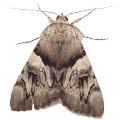
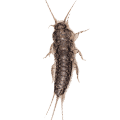
Specimen and supply store room. Cardboard inbound packaging from supplier deliveries (especially gauze, dressings and printed paper supplies) is a known pathway for stored-product pests — Indianmeal moths in long-stored paper, silverfish in cardboard, occasional German cockroach hitchhiking from the supplier warehouse. The store room is rarely included in patient-area cleaning protocols.
Autoclave / sterilisation room. Warm, humid, often poorly ventilated. Booklice (Liposcelis) and silverfish establish in stored paper packaging for sterile instruments. The DOH and DHA citations we have seen are most often staining on the sterile pack outer wrap, not live pests.
Building exterior near the rear entrance. Skip-bin location, the rear loading door, the AC compressor pad. Drives the rodent and fly pressure that arrives through the back door whenever it is propped open during deliveries.
A clinic pest program that ignores any of these four is going to surface in a renewal inspection.
What a compliant program looks like
This is the template we run for our outpatient clinic clients:
Monthly site inspection. 45-90 minutes depending on clinic size. Walk the four risk sites systematically, inspect all bait stations, check sticky traps in the autoclave and store rooms, review the staff pest log, refresh exterior bait stations.
Treatment work — non-chemical first. Sealing of penetrations around plumbing under the pantry sink. Gap-filling at the rear-entrance threshold. Mesh on any exposed gaps in the AC compressor pad cavity. These are one-time installations that prevent rather than treat.
Chemical work — restricted to non-patient zones. Crack-and-crevice residual (typically bifenthrin or deltamethrin in a low-volatility formulation) in pantry, store and back-of-house only. Gel-bait (indoxacarb or hydramethylnon) in cockroach harborage points. Lockable bait stations (anticoagulant or non-toxic monitoring inserts depending on phase) at exterior perimeter and rear loading area.
Documentation refresh every visit. Updated treatment record on the IPM logbook, MSDS folder verified current, technician card photocopy filed annually, any sighting log entries reviewed and dispositioned.
Annual deep-clean coordination. Once a year, scheduled with clinic management for a non-clinical Friday/Saturday, full back-of-house deep clean coordinated with the cleaning contractor — sticky traps placed for 72 hours, all major appliances pulled out, residual reapplied to the exposed wall area, appliances replaced.
What we do NOT do:
- Patient examination room treatment during clinical hours
- Aerosol fogging in any patient-area zone
- Loose rodenticide pellets
- Pyrethrum-based chemicals in patient zones (DHA inspectors increasingly flag pyrethrum residue in patient-contact areas)
- Any chemical without an MSDS filed on site within 24 hours of application
Pricing by clinic size
Honest May 2026 banding for UAE outpatient clinic pest contracts:
| Clinic size | Service description | AED/month |
|---|---|---|
| Single GP, 2 rooms, no autoclave | Monthly inspection + spot treatment + IPM log | 600-900 |
| 3-4 doctor multi-specialty, 6-10 rooms, autoclave | Monthly inspection + crack-and-crevice + bait stations + logbook | 900-1,400 |
| Day-surgery centre, 8-12 rooms, recovery beds | As above + post-procedure deep clean coordination | 1,400-2,200 |
| Multi-specialty centre, 15+ rooms, integrated pharmacy | Comprehensive IPM + dedicated logbook + pharmacy module | 1,800-2,800 |
| One-time DHA/DOH renewal prep visit | Full audit + documentation refresh + corrective treatment | 1,800-3,400 |
Most clinics that fail renewal on pest grounds are paying AED 300-450/month for a single-visit spray-only vendor. The cost gap is the documentation, the chemical selection, and the coordination — not just the spray.
Our pharmacy pest control guide covers the DHA/DOH pharmacy parallel, and the dental clinic guide covers the chair-base and autoclave-room specifics for dental practices.
FAQ
Do clinics need a separate pest contract or can the cleaning contractor handle it?
DHA and DOH require a DM-approved pest control company on a separate contract. The cleaning contractor's commercial cleaning licence does not include pest control authority. Cleaning and pest control are two distinct vendor contracts.
What chemicals are explicitly banned from clinic patient areas?
DM's residential and patient-area-applicable approved list excludes aluminium phosphide entirely. Pyrethrum aerosols and organophosphates (chlorpyrifos, malathion) are restricted from patient-zone use even where they remain available for industrial or exterior applications. Your vendor's MSDS folder is the easiest single check.
How quickly can a non-compliant clinic get inspection-ready?
If the citation is documentation-only (missing MSDS, missing IPM plan) — 7-14 days. If there is live pest evidence and a 30-day rectification window, a deep treatment + 30-day monitoring cycle can usually clear within the window. Beyond live cockroach evidence + structural deficiencies, plan for 60-90 days.
Does the clinic owner or the building landlord pay?
Clinic pest control is the clinic owner's responsibility under DHA and DOH licensing. Building-exterior shared pest issues (skip bin area, building rodent pressure) may be the landlord's responsibility under the tenancy contract — usually negotiable. Termite warranty for the structure typically sits with the landlord.
If your clinic has a DHA or DOH renewal coming up and your current pest vendor sends one-page monthly receipts, the inspection risk is real. Book a PestSwift clinic IPM audit — we will walk the four risk sites, review your current documentation against DHA and DOH standards, and tell you what needs to change before renewal.
Tags
Written by
Maria Fernandez, Commercial Accounts Lead
PestSwift technicians and entomologists publish field-tested pest control guidance for UAE homes and businesses.