


What a DHA inspector finds in a clinic that "doesn't have pests"
A two-chair dental clinic in Al Barsha called us last September after a Dubai Health Authority infection-control audit cited "evidence of pest activity" in the comment section of the inspection report. The clinic had no visible cockroaches, no rodent droppings, no obvious infestation. The clinic owner thought the citation was a clerical error.
Our inspection found:
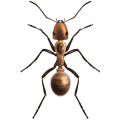
- Two ant trails moving from the rear waiting-area planters to the staff pantry kettle.
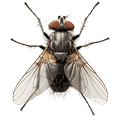
- Drain fly larvae in the bathroom floor drain (the bathroom guests share with patients).
- A single dropping, almost certainly mouse, behind the autoclave room kick plate.
- No formal pest log — no contractor visit records, no chemical-use documentation, no monitoring station map.
Each of those items is a finding under DHA's infection-control framework. None individually closed the clinic. Cumulatively, they changed the audit from a clean pass to a re-inspection requirement and a 90-day corrective-action plan.
This is the dental-clinic pest problem in the UAE: not visible infestation, but gaps in documentation and routine that a DHA infection-control audit will surface. Solving the visible pest issue is the easy 30%. Building the audit-ready documentation is the other 70%.
DHA's expectation, decoded
DHA's infection-control guidelines for dental settings emphasise environmental hygiene, sterilisation, and waste management. Pest control is not a single page in those documents — it's woven through several sections. The expectations that translate to pest-control practice:
- Routine environmental monitoring. Pest activity logs are the practical demonstration of this for any non-sterile clinic area.
- Documented chemical-use protocols. Any chemical applied in patient-accessible areas needs to be DM-approved (federal MOCCAE-registered, then DM-licensed), used by a licensed contractor, and logged.
- Operatory-room cleanliness. The dental chair and surrounds, autoclave room, and instrument processing areas are zero-pest zones. Even a single cockroach finding here is a serious citation.
- Waste management. Clinical waste storage and routine pickup. Pest activity around clinical waste storage (typically ant or fly trails) signals waste-management gaps.
- Plumbing and drain integrity. Drain flies in clinical bathrooms point to drain trap or biofilm issues that are also infection-control vectors.
The honest framing for a clinic owner: pest control isn't separate from infection control. Pest evidence is one of several signals an inspector uses to evaluate the broader hygiene operation.
A protocol that survives DHA audit
For a typical dental clinic (2–4 chairs, one waiting area, two bathrooms, autoclave room, staff pantry, clinical waste storage), here's the schedule we run:
Monthly inspection visit, 60–90 minutes. Walkthrough every zone. Photo-documented findings. Glue boards refreshed in non-patient zones (autoclave room corners, under-pantry-sink, clinical waste storage). No glue boards or bait stations in operatory rooms.
Quarterly chemical refresh, only where necessary. Targeted gel-bait in pantry and waiting-area planters if ant or cockroach activity is found. Drain biological treatment (enzymatic, not chemical) if drain fly activity is found. We use chemicals only when monitoring shows them necessary.
Operatory-room protocol — chemical-free. Steam, HEPA vacuum, and sealed monitoring traps only. Operatory rooms are not chemical-treatment zones. We treat the perimeter (corridor, adjacent rooms) and rely on physical proofing (door sweeps, sealed wall penetrations) to keep operatories clean.
Annual deep clean and proofing review. Full inspection of wall penetrations (where utility lines enter rooms), door sweeps, drain integrity. Replacement of any worn proofing.
Logbook maintained on-site. Every visit signed and dated. Chemical SDS sheets attached. Findings, actions, and follow-up notes. The logbook is what an inspector will ask to see first.
What chemical-free pest control actually means in operatory rooms
This deserves its own section because it's where most contractors get it wrong. "Chemical-free" doesn't mean nothing is done. The tools are:
- Steam, 100–110°C nozzle temperature, applied to floor-wall junctions and any seam where dust accumulates. Kills any insect life and sterilises the surface.
- HEPA vacuum, dedicated to pest-control use (not the clinic's general vacuum). Removes harborage debris, dust mites, dead-insect debris, and any eggs.
- Sealed monitoring traps, lockable, placed out of patient sight. Pheromone traps for German cockroaches, attractant traps for ants. These are monitoring devices, not killing devices — they tell us if there's activity to be addressed in adjacent zones.
- Physical proofing. Foam sealant, copper mesh, or backer-rod-and-caulk where utility penetrations enter the operatory walls. Stainless-steel door sweeps on operatory doors.
A common contractor failure mode: spraying pyrethroid residual in operatory rooms because "it's just a routine treatment." This contaminates surfaces patients contact, leaves residue on equipment, and is a DHA citation in itself.
Real costs for a UAE dental clinic
| Service | Cost | Frequency |
|---|---|---|
| Initial audit-readiness inspection + logbook setup | AED 800–1,400 | One-time |
| Monthly inspection visit + targeted treatment | AED 350–550 | Monthly |
| Quarterly proofing and chemical refresh | AED 600–900 | Quarterly |
| Annual deep clean + proofing review | AED 1,200–1,800 | Annual |
| Emergency response (e.g. unexpected sighting before audit) | AED 250 + scope | As needed |
| Typical annual contract (clinic 2–4 chairs) | AED 5,500–8,000 | — |
The annual contract pays for itself the first time a DHA audit goes smoothly because pest documentation was complete. A failed audit means a corrective-action plan, a re-inspection fee, and operational risk worth far more than the contract.
What clinic operations staff can do daily
The contractor handles structural pest control. Clinic staff handle the daily operational hygiene that makes pest control effective:
- Trash out at end of day. Clinical waste to its sealed storage, general waste to building chute. No overnight food waste in the pantry bin.
- Pantry surfaces wiped. Sugar, biscuit crumbs, coffee dribble — these draw ants. A 60-second wipe-down is enough.
- Drain run weekly. Hot water down each clinical and bathroom drain at end-of-week. Disrupts drain-fly larva development.
- Patient-area visual. Reception staff briefed to flag any insect sighting immediately to the practice manager. Photos preferred.
- Logbook entries on findings. If staff sees something, it goes in the log even before the contractor arrives. Builds the documentation trail.
What we won't do in a clinic
There are things some contractors will agree to do that we decline because they don't survive an infection-control audit:
- Spray any chemical in operatory rooms. Steam, vacuum, sealed traps only.
- Use unregistered or imported chemicals. Everything we apply is MOCCAE-registered and DM-licensed. We can show registration numbers in the logbook.
- Skip documentation to save time. The logbook is the deliverable as much as the treatment is. Sometimes more.
- Apply bait stations in patient-accessible areas. Bait stations live in staff-only zones — pantry, autoclave room, clinical waste storage, utility cupboards. Never reception or operatory.
The constraint set is tight, but it's also what separates a clinic-grade contractor from a generic residential one. For broader UAE healthcare-facility context, see JCI hospital pest control — many of the same principles scale up to hospitals, with additional layers around isolation rooms and pharmacy storage.
If you operate or manage a dental clinic in Dubai, Abu Dhabi, Sharjah, or Ajman and you're preparing for a DHA, DOH, MOH, or JCI audit, contact us. The first audit-readiness inspection is part of the engagement — we can usually identify documentation gaps in a single 90-minute visit.
FAQ
Does DHA require a pest contract for dental clinics?
DHA does not specify a single chemical or contractor, but the infection-control framework requires demonstrable environmental control and documented sanitation. In practice this is met by a documented pest-control programme with a licensed contractor. Most dental clinics that pass audits have a formal contract in place.
Are pest control chemicals safe in operatory rooms?
The general answer: chemical residues on surfaces in patient-contact zones are an infection-control risk, not just a pest-control question. Operatory rooms should be managed without applied chemicals — steam, vacuum, monitoring, and physical proofing only. Chemicals are appropriate in non-patient zones (utility, pantry, perimeter).
How often should a dental clinic be inspected for pests?
Monthly minimum for inspection. Quarterly minimum for any chemical or proofing intervention. Some operatory-heavy clinics with heavy patient throughput benefit from fortnightly inspections during the first six months while baseline activity is being mapped.
What if the building's general pest contractor is poor?
Common situation. The clinic's contractor (us) handles the clinical interior. The building owner's contractor handles common areas — corridors, lifts, lobby, exterior. We coordinate where possible (especially around boundary walls where ants and cockroaches transit between the building common areas and the clinic), and document the boundary clearly so the clinic isn't held responsible for findings that originate in unrelated common-area issues.
Tags
Written by
Maria Fernandez, Commercial Accounts Lead
PestSwift technicians and entomologists publish field-tested pest control guidance for UAE homes and businesses.