






A site manager at an ADNOC Oasis on Sheikh Mohammed Bin Zayed Road called us at 02:30 last August. The night crew had just seen a rat run across the chocolate aisle and into the back-of-house. Auditors from DM were scheduled for an unannounced sweep that week. The manager wanted to know two things: could we be on site within the hour, and could we treat without spraying anywhere a fuel pump operator might smell it.
This is the petrol forecourt convenience store problem in one phone call. The store side looks like a small supermarket — pre-packed snacks, slushy and coffee machines, ice cream freezer, hot food cabinet — and it pulls the same pest mix as a supermarket. Rodents follow the goods inflow at the back. Ants run the slushy and coffee corner. Flies live on the bin enclosure at the side of the building. But the fuel side restricts what we can apply, when, and how.
ADNOC Distribution operates over 300 Oasis stores across the UAE. ENOC and Emarat run ZOOM and ZOOM+ on roughly half that footprint between them. Most are open 24/7. Most share a goods-entry door with the bulk-fuel and lube delivery area. The pest control playbook has to fit all of that.
The four pest pressures on a UAE forecourt store
Rodents at goods entry. The back-of-house door to a forecourt store opens to a paved service yard. That yard is shared with the fuel tanker delivery bay, the lube oil drum store, and the waste bin enclosure. Rats run that yard every night. The moment the goods door is open for a delivery they make a run for the store interior. The wedge that the morning delivery driver leaves under the door is responsible for more rodent incursions than any other factor.
Ants on the slushy and coffee machines. Sugar machines drip. Tapinoma melanocephalum (ghost ant) and Monomorium pharaonis (pharaoh ant) follow the drips along the worktop and up into the dispense nozzle. Customers see them on the morning milk dispenser. The store manager has thirty minutes to fix it before the franchise area manager hears about it.
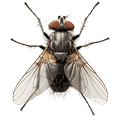
Flies at the waste enclosure. Hot food cabinet packaging plus daily food waste sit in a bin enclosure 6–10 metres from the store. In summer the enclosure becomes a fly breeding factory. Open the back door and they come in.
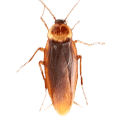
Cockroaches in the prep area. Forecourt stores that prepare hot food on-site (paninis, samosas, donuts) have a small prep galley. That galley, like any kitchen, attracts German cockroaches if the cleaning routine slips. Worse, the dispenser machines (donut warmer, hot beverage display) are warm 24/7 and provide perfect harborage.
What restricts the treatment
Fuel forecourts run under MoCCAE and DM rules that limit the use of any application near fuel operations. Practically that means:
- No aerosol or pump-up spray application within the fuel island canopy. Volatile solvents and propellants near fuel pumps are a hard no. The pest control work has to happen inside the store envelope and at the waste/goods areas at the rear.
- No fogging near operating pumps. Ever. Even at night with the canopy lit, the safety distance has to be maintained.
- No bulk rodenticide bait outside tamper-proof stations. This is true for any commercial site, but forecourts are higher-risk because of public access to the entire perimeter.
- No treatment in the food prep area during food-handling hours. Standard HACCP-style hygiene rule, applied here under DM Food Safety guidance.
This is why we work petrol stations almost exclusively overnight (23:00–05:00) for the in-store work, and during scheduled bin-collection windows for the external waste enclosure treatment.
The PestSwift forecourt protocol
We build a per-site control plan once at audit time, then run it monthly. The plan covers:
Perimeter rodent control. Eight to twelve tamper-proof bait stations around the building exterior. We use a first-generation anticoagulant (warfarin or chlorophacinone) on rotation with second-generation (brodifacoum) where local pressure is heavier. Each station gets a barcoded sticker, scanned at every visit, log entry timestamped. The data is what passes a DM audit.
Snap traps at goods entry. Inside the back-of-house corridor, two snap traps either side of the goods door. Checked daily by store staff (we train the team on the log entry). Replaced or moved by the technician monthly.
Coffee and slushy zone ant management. A dot of fipronil or thiamethoxam sugar bait under the lip of each dispenser, refreshed monthly. The bait is placed where customer hands cannot reach, where store cleaning sprays cannot wash it off, and where the ant trail naturally crosses.
Fly control at the bin enclosure. UV-light insect-killer fly traps mounted indoors at the goods entry, glue boards changed monthly. Larvicide treatment in any standing-water source within the enclosure (drainage low point, condensate drip). Misting unit charged with a knockdown-grade pyrethroid for the enclosure interior — never aimed at the forecourt.
Prep galley cockroach control. Gel bait at the donut warmer base, the hot beverage display footprint, behind the panini machine and under the prep sink. IGR (pyriproxyfen) in any wall void identified during the audit. We use the same protocol as for a cloud kitchen — the operational profile is similar.
Documentation. A logbook on site at all times with the pest control company contract reference, the technician's MoCCAE licence number, every visit's date, treatment summary, bait station scan log, and any audit findings. This is the document a DM auditor or franchise QA visit will ask for first. See our pest control logbook guide for HACCP audits for the standard structure.
What it costs and how programmes are structured
For a typical 80–140 sqm forecourt store with full provisioning, hot food, and an attached waste enclosure:
- Site audit and initial setup (perimeter bait stations, snap traps, UV light units, logbook): AED 1,800–3,200.
- Monthly maintenance visit (overnight): AED 600–1,100.
- Annual programme (12 visits + initial setup + emergency callbacks): AED 9,800–16,200.
Multi-site networks (10+ stores under one operator) are quoted on a network basis with a single account manager and a unified reporting dashboard. ADNOC and ENOC operator-level contracts typically include emergency call-out within four hours and a 24-hour written incident report.
What forecourt operators get wrong
- Using the off-the-shelf supermarket aerosol on the slushy machine. Pyrethroid spray contamination on a food-contact surface is a DM violation. Bait dots only, in concealed locations.
- Not training the morning shift to walk the back-of-house. Ten minutes per shift on a pest-check round catches incursions before they become infestations. The shift handover should include the bait-station scan check.
- Treating the waste enclosure once a year. This is the source of summer fly populations across half the network. Monthly minimum.
- Leaving cardboard provisioning boxes stacked in the back corridor. Cardboard is roach habitat. Plastic crates only, or break boxes down immediately and remove to the cardboard recycling cage.
Why this matters for the brand
A single rat photo from a customer's phone on social media costs more in brand value than a year of pest control across an entire network. Operators we work with treat the monthly contract as a brand-protection insurance premium, not a line-item cost. The audit logbook is the evidence trail when an incident does happen.
FAQ
Does an ADNOC Oasis or ENOC ZOOM store need a HACCP-style hygiene certification?
For sites preparing food on-site (paninis, samosas, donuts) DM Food Safety guidance applies, and the brand operator typically imposes additional internal audit standards. For pre-packed-only sites the requirements are lighter but DM hygiene rules still apply. The pest control logbook is required either way.
Can the technician work during opening hours?
In-store work happens during overnight low-traffic windows (typically 23:00–05:00). Some external bait-station and waste-enclosure work can be done during the day where it does not interfere with operations. The plan we agree at audit time defines the windows.
What pest is the biggest problem on a UAE forecourt?
In our data across the operators we serve, rodents at goods entry are first by incident count, ants on dispense machines are second by customer complaints, and flies in summer are third. Cockroaches are less common when the prep galley cleaning routine is good and more common when it is not.
Are second-generation rodenticides safe to use on a public-facing site?
Only inside tamper-proof, locked bait stations with restricted-key access. We never use loose bait or first-fill bait blocks outdoors on a forecourt. The label and the MoCCAE registration both require tamper-proof housing for any active in public-access areas.
If you operate an ADNOC Oasis, ENOC ZOOM, Emarat, or any independent UAE forecourt store and want a forecourt-specific audit rather than a generic 'commercial' quote, book a site visit and we will hand you the per-station plan, the logbook structure and the monthly programme price before we leave.
Tags
Written by
Maria Fernandez, Commercial Accounts Lead
PestSwift technicians and entomologists publish field-tested pest control guidance for UAE homes and businesses.