





The cloud kitchen compliance gap
An F&B operator I worked with last quarter ran a chicken-rice virtual brand out of an Al Quoz cloud kitchen. They'd been in the hub for eight months, doing solid delivery numbers, completely focused on growth. A Dubai Municipality food-safety officer arrived on a routine inspection of the hub. She visited four brands' stations across the floor. Two brands passed. Two failed — including theirs.
The failure point wasn't dirty surfaces or temperature abuse. It was that the brand had no individual pest control contract on file. They'd assumed the hub's quarterly pest spray (paid through their station rent) was sufficient. The DM officer disagreed and issued a fix-it-or-pause-operations notice with a 14-day window.
This is a common pattern across UAE cloud kitchens. The hub holds an NOC. The hub provides building-level pest control. Most brands believe — reasonably enough — that this means they're covered. Most brands are wrong.
What hub NOCs actually cover
A cloud-kitchen hub's NOC and pest contract cover the building infrastructure: shared corridors, bathrooms, dry storage, waste-disposal areas, refrigeration plant rooms, and any common-area cooking spaces. The hub's pest contractor delivers a quarterly building-wide treatment and maintains a master log book.
What they don't cover:
- The interior of each brand's individual cooking station
- The brand's local cold storage (in-station fridges and freezers)
- The brand's dry storage cabinets
- The brand-specific dispatch/packing areas
- The brand's own log book of in-station observations
Dubai Municipality inspections increasingly differentiate between the two layers. The hub passes inspection on the building basis; each brand fails or passes on its own station basis. The growing audit reality is that brand-level pest control documentation is now a baseline expectation, not a nice-to-have.
ADPHC operates similarly in Abu Dhabi. Sharjah Municipality is somewhat behind on cloud-kitchen-specific guidance but trending in the same direction.
Shared infrastructure, shared problems
The physical reality of cloud kitchens makes brand-level isolation harder than in standalone restaurants. Three infrastructure points connect every brand to every other brand in the same hub:
Shared exhaust hood risers. Most hubs have 8-15 cooking stations sharing 2-4 main exhaust risers. Grease and food vapour from any station travels into the shared duct. German cockroaches in one station's hood will absolutely walk to another station via the shared duct system.
Shared grease trap and waste lines. Drains from every station eventually merge before exiting to the hub's grease trap. Drain flies (Psychoda spp.) and German cockroaches both use drain systems as superhighways.
Shared cold-storage walk-ins. Many hubs offer brands a daily cold-storage allowance in shared walk-ins. Even sealed packaging can carry cockroach oöthecae from one brand's deliveries to another brand's storage.
This means a brand-level pest contract isn't just paperwork compliance — it's necessary self-protection. Without local monitoring stations and brand-specific gel-bait placement, you're absorbing pest pressure from every other brand in the hub plus the building common areas.
What a brand-level contract actually includes
A proper cloud-kitchen brand pest contract covers:
- Initial brand-station survey — full inspection of cooking surfaces, station fridges, dry storage, packing areas, and the shared interfaces (hood, drain, walk-in entry)
- Monthly preventive visit — gel-bait refresh in voids, IGR application in cabinet hinges, glue-card monitoring in dry storage, drain cover check, and walk-in inspection where applicable
- Brand-specific log book — separate from the hub's master log, covering the brand's stations only, with entries that DM/ADPHC will accept as brand-level evidence
- HACCP-compliant pest sighting response — 24-hour response on any in-station sighting reported by brand staff, with a written corrective-action record
- Quarterly written report — pest pressure trend, monitoring station counts, recommendations
- DM/ADPHC-aligned chemistry — only approved-list products in active food-prep areas; IGR-only in cooking zones to avoid food-contact residues
The documentation aspect matters most. When the inspector arrives, the brand's manager needs to produce a brand-specific log book. Showing the hub's master log book is the failure path.
The IGR-only chemistry rule
One thing brand owners often don't realise until we explain it: in active food-prep zones, conventional residual insecticides aren't permitted by HACCP because of food-contact contamination risk. The available chemistry is restricted to:
- Insect growth regulators (IGRs) like pyriproxyfen — they affect insect biology only, no food-safety concern at use rates
- Gel baits in tamper-resistant containers placed inside voids, never on food-contact surfaces
- Glue boards and pheromone traps in monitoring positions
- Ultrasonic devices (limited efficacy but sometimes useful as adjuncts)
This means the chemistry available in a cloud-kitchen station is meaningfully narrower than what's available in, say, a hotel back-of-house. The treatment plan compensates with placement precision and visit frequency rather than chemistry strength.
Real AED pricing for brand contracts
| Brand footprint | Monthly contract | Quarterly contract | Annual prepay (10% discount) |
|---|---|---|---|
| Single 1-station brand | AED 350-500/mo | AED 950-1,400/qtr | AED 3,800-5,400/yr |
| 2-3 station brand | AED 500-750/mo | AED 1,400-2,100/qtr | AED 5,400-8,100/yr |
| 4+ station brand | AED 750-1,200/mo | AED 2,100-3,400/qtr | AED 8,100-13,000/yr |
| Brand with own walk-in storage | + AED 150-250/mo | + AED 450-750/qtr | proportional |
These prices include the brand-level log book maintenance, monthly visits, the quarterly written report, and 24-hour sighting response. They don't include emergency callouts (rare with monthly preventive — most brands on monthly contracts go years without emergency callouts).
When brands compare quotes, watch for two missing line items in cheaper bids:
- "Brand-specific log book" not listed — that means they'll record visits in the hub's master log, which fails the DM differentiation test
- "DM-approved chemistry list" not specified — some operators use general industrial-grade chemistry inside food-prep zones, which fails HACCP at audit
Cooperation with the hub's contractor
A functional cloud-kitchen pest programme requires the brand's contractor and the hub's contractor to coexist productively. We've worked across most of the major Dubai cloud-kitchen hubs (Al Quoz, Business Bay, Dubai Production City, Dubai South) and the cooperation pattern that works is:
- Brand contractor's monitoring stations don't conflict with hub contractor's stations (we coordinate on placement)
- Both contractors share findings monthly via WhatsApp or email — if the hub finds a population in shared duct, the brand contractor escalates monitoring at brand stations connected to that duct
- Both contractors use compatible chemistry — one operator using pyrethroid spray adjacent to another using IGR creates avoidance behaviour that suppresses neither
- Inspection days, the brand contractor's report is filed with the brand manager 24-48 hours before any DM/ADPHC visit if predictable
Where this cooperation breaks down, we ask for a meeting with the hub FM team. Most hubs prefer the cooperative outcome — it makes the building's overall audit position better.
Multi-hub brands
Virtual brands operating across 3-12 hubs face a coordination problem we've helped several solve. The brand can't realistically maintain 12 separate log books, 12 separate contractors, and 12 separate cleaning schedules. The structure that works:
- Single national pest contract with one contractor (us, ideally)
- Standardised brand log-book template across all locations
- Centralised quarterly digest report aggregating all hub-level reports
- Hub-level visits scheduled to align with brand's local operations cycle
- Single emergency response number for brand staff at any location
For brands operating 5+ hubs, this structure typically saves 20-30% versus per-hub local contractors and produces a much cleaner audit position. Our restaurant pest control team handles the multi-hub structure for several UAE brands.
What brand staff need to know
The most underrated factor in cloud-kitchen pest compliance is brand-staff awareness. The cooks and packers in the station are the first line of pest detection — we can't be there 30 hours a week, they are.
Basic training points we cover at contract start:
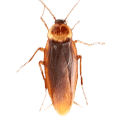
- How to identify a German cockroach versus an American cockroach (the response is different)
- Why a single drain-fly sighting matters and how to log it
- What "clean as you go" actually means in cockroach-prevention terms (food in sealed containers, surfaces wiped after every batch, dishwasher cycle compliance)
- How to record an in-station pest sighting in the brand log book without disrupting service
- Who to call inside the brand's chain of command if something serious appears
We deliver this as a 30-minute on-site training at contract start, refreshed annually. Most hub managers welcome it because it raises the overall building standard.
FAQ
Do I need my own pest contract if my hub has one?
For full DM and ADPHC compliance in 2026 inspection patterns, yes. Hub-level contracts cover building infrastructure but not your brand-station interior. The brand-specific log book is increasingly the audit requirement, not the hub master log book.
How does HACCP apply to a cloud kitchen with shared exhaust hoods?
HACCP requires every food business to have a pest control plan with monitoring records, corrective actions, and chemical use logs. Shared infrastructure doesn't transfer this responsibility — the brand operating in the station owns its plan. The hub's plan covers the hub.
What pest control documents does Dubai Municipality ask for at cloud kitchen inspection?
The brand's contract with a DM-licensed pest control operator (license number visible), the brand's pest log book (separate from the hub's), the most recent quarterly written report, and the SDS file for any chemistry currently in use within the brand's stations. We provide all four to clients.
Who pays for pest control in a Kitopi-style hub?
The hub pays the building-level contractor for common-area service via station rent. The brand pays its own contractor for station-level service. The two payments are separate and not double-billing — they cover different scopes.
Onboarding a cloud-kitchen brand
First step is a free brand-station survey: 60-90 minutes on site, walking the brand's footprint and the shared interfaces. We deliver a written gap report identifying current compliance state, recommended contract level, and any infrastructure-side issues to escalate to the hub FM team.
Ready to fix the brand-level gap before the next inspection? Book a free cloud-kitchen survey — we run cross-hub teams in Al Quoz, Business Bay, DPC, and Dubai South with same-week start availability.
Tags
Written by
Maria Fernandez, Commercial Accounts Lead
PestSwift technicians and entomologists publish field-tested pest control guidance for UAE homes and businesses.