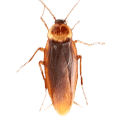

An imam in a mid-sized neighbourhood mosque in Mirdif called us last Ramadan after the muezzin balcony of his minaret accumulated 20+ centimetres of pigeon guano over a single year. The dome ledge had a colony of 40 birds. The wudu area was dealing with American cockroaches in the floor drains and drain flies above the ablution basins. He had a tiny maintenance budget and a hard line: no chemical aerosols anywhere in the prayer hall during prayer times.
This is a normal mosque pest profile in the UAE. The combination of the structure's vertical reach (perfect pigeon roosting), the constant moisture in the wudu area (cockroach and fly heaven), the carpet and humidity of the prayer hall (dust mites, occasional carpet beetles), and the strict religious-and-regulatory constraint on what chemistry can be applied where, makes it different work from a residential job.
If you're on a mosque maintenance committee, an Awqaf facility manager, or an FM contractor servicing one of Dubai's 1,800+ mosques or any of the ADGE-managed Abu Dhabi mosques, this is what a real mosque pest programme looks like.
Where pests actually concentrate in a UAE mosque
Four zones, each with different pest pressure and different chemistry constraints:
Minaret and exterior parapets
Pigeons (Columba livia) are the dominant pest. Minaret muezzin balconies, dome ledges, parapet edges, and any decorative cornice over 3 m become roosting sites. A single pair of feral pigeons produces 4–6 broods per year and a 20-bird colony is the steady state at a typical neighbourhood mosque without intervention.
Guano isn't just unsightly. It carries Cryptococcosis, Psittacosis, and Histoplasmosis spores — confirmed by basically every UAE bird control vendor's literature for a reason. Long-term guano accumulation also corrodes copper and zinc roofing materials. The structural argument is as strong as the religious one.
Indian house crows (Corvus splendens) increasingly nest near older Dubai mosques as well — same exclusion approach but they're more aggressive about defending nesting sites once established.
Wudu / ablution area
Persistent moisture from the ablution basins, floor wash-down cycles, and drain runoff makes the wudu area the most pest-pressured indoor zone in the mosque. The species we find consistently:
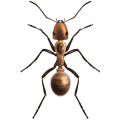
- American cockroach (Periplaneta americana) — emerging from floor drains at night.
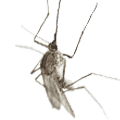
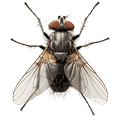
- Drain fly (Psychoda alternata) — biofilm in the basin overflow drains.
- Occasional bigger species in older mosques with neglected drain stacks.
These are the species that congregants notice first. A worshipper using the wudu area at 4 AM for Fajr will encounter whatever's living in the floor drain.
Prayer hall (musalla)
Low active-pest pressure, but real concerns over time:
- Dust mites in the prayer carpet — universal in any carpeted indoor space, contributes to allergic responses in worshippers.
- Carpet beetle larvae (Anthrenus) — uncommon but possible in areas with imported wool or silk prayer rugs.
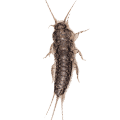
- Silverfish in book storage areas (Quran shelves, library annexes if any).
- Occasional ant trail if maintenance leaves food residues from iftar prep.
The rules here are strict. No residual liquid spray on prayer carpet. No fogging during occupied hours. No pesticide application that leaves visible residue or odour for ritual cleanliness reasons. Awqaf maintenance contracts are explicit about this.
Kitchen and iftar prep area
Mosques with attached kitchens (most do, for Ramadan iftar) have a small standing F&B pest profile — cockroaches and ants in cabinets, occasional fly activity. Treat as a small commercial kitchen with tighter chemical restrictions.
Exterior landscaping
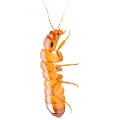
Date palms in the courtyard, decorative landscape beds, and any boundary hedge. Termite risk to wooden minbar elements (we've seen this), ant infestations at the perimeter, occasional rodent activity around the iftar bin storage.
Pigeon proofing — the high-leverage intervention
Fix the minaret and dome and you fix 70% of the mosque's overall pest situation. The cleaning load drops, the disease vector drops, the structural corrosion drops.
Site survey
A technician does an exterior survey, often with binoculars from the courtyard or from a neighbouring building. We identify every roosting surface ≥ 8 cm wide above 3 m: muezzin balconies, dome cornices, decorative ledges, AC unit cages, parapet capping, satellite-dish supports.
For anything above 12 m we coordinate with a rope-access or scaffolding contractor — most mosque committees underestimate the access cost. A dome at 25 m needs scaffolding around the entire structure.
Exclusion options
For each roosting surface, the right tool depends on bird-density and aesthetic constraints:
- Stainless steel bird spikes — first choice for ledges and cornices. 5–6 cm spikes at 3–5 cm spacing, glued or screwed. Lifespan 10+ years. Visually low-impact at a distance. Most common spec.
- Stainless steel bird netting — for muezzin balconies (full enclosure of the railing, leaving the muezzin walkway clear), AC unit cages, dome alcoves. Mesh size 50 mm for pigeons, 28 mm for sparrows and crows. Pre-tensioned stainless cable fixings.
- Bird gel (non-lethal slip gel) — for surfaces where spikes are aesthetically unacceptable (visible decorative cornices). Contact-disorientation only, no harm to the bird. Reapplication every 18–24 months.
- Sound deterrents (ultrasonic and species-call) — backup, never primary. Pigeons habituate. Useful as a 2-week deterrent during nesting establishment.
What we never do at a mosque
No lethal trapping. No poisoning. No glue boards that cause visible bird suffering. UAE bird control regulation aside, the religious-space context makes anything other than humane exclusion the wrong answer.
Cost band
- Small neighbourhood mosque (single minaret, single dome, parapet): AED 8,000–18,000 for full pigeon proofing. One-time install. Annual maintenance AED 1,500–2,500.
- Friday mosque (medium) (single tall minaret + larger dome + multiple parapets): AED 18,000–45,000 install, AED 3,000–5,000 annual maintenance.
- Major mosque (Iconic, Sheikh Zayed-tier): bespoke project, typically AED 80,000+ install with rope-access teams.
For reference on residential pigeon work, the Marina balcony pigeon-proofing post covers the residential equivalent.
Wudu area — what works without breaking the space
This is where chemical sensitivity and treatment effectiveness actually conflict.
Cockroach control in floor drains
The fix is in the drain itself, not the floor surface. Protocol:
- Bio-enzymatic drain cleaner weekly, applied at end of day after final maintenance. Breaks down the organic biofilm that drain-living cockroaches feed on. No chemistry.
- Cockroach gel (hydramethylnon or fipronil) placed inside the drain housing under the grate, 0.05 g spots — small, hidden, no contact with congregants' feet.
- NO surface spraying of the wudu floor itself. Worshippers wash their feet, hands, and faces here. No residual that could transfer.
Drain fly control
- Bio-enzymatic foam down the drain stack weekly. Coats the inside of pipes, dissolves the biofilm where drain-fly larvae develop. Breaks the breeding cycle in 2–3 weeks.
- Sticky monitor traps above the basin overflow drains — out of congregant sight, lets us track population change.
- NO insecticide aerosols anywhere near ablution basins.
Service window
We schedule wudu treatments between Isha and Fajr — roughly 10 PM to 4 AM. Surfaces dry, drains rinse with the morning's wudu cycle, no chemistry traces remain by the time of Fajr congregation.
Prayer hall — what's appropriate
The prayer hall gets the lightest touch and the most discipline.
Quarterly carpet maintenance
- Encasement-grade HEPA vacuuming of the entire prayer carpet — captures dust mite allergens and any carpet beetle larvae.
- Hot-water steam extraction twice yearly. No detergent residue, no scent.
- NO residual sprays on prayer carpet. Awqaf guidance is explicit.
If carpet beetle is detected
Very rare. If it happens: roll up the affected section, treat the underside of the carpet edge and the floor void below with low-residue silica dust, replace. Targeted, contained, doesn't enter the prayer-surface side.
Ant trails
Usually traceable to a specific food residue (iftar leftovers, water spillage). Eliminate the food source first. If a residual treatment is needed, gel-bait against skirting boards and behind shoe-rack cabinets only — never on the prayer carpet, never on a wall surface congregants touch.
Documentation cycle
Awqaf-managed mosques in Dubai and ADGE-managed mosques in Abu Dhabi require pest control documentation as part of the annual maintenance audit. Standard pack:
- Monthly inspection checklist (per zone) signed by technician.
- Material data sheets for every chemical used on premises (Bti larvicide, drain enzyme, gel-bait actives).
- Dubai Municipality / Abu Dhabi Public Health Center licence copy of contractor.
- Pesticide handler licences for technicians on the assignment.
- Pigeon proofing completion certificate (one-time) and annual integrity check report.
Having this pack ready for the auditor is what gets your contract renewed.
Real cost band — full programme
For a mid-sized neighbourhood mosque (no kitchen, single minaret, ~300 capacity prayer hall):
- One-time pigeon proofing: AED 12,000–22,000.
- Monthly maintenance contract (wudu + prayer hall + exterior + bird-proofing inspection): AED 1,400–2,200/month, AED 16,800–26,400/year.
- Quarterly carpet steam extraction: AED 800–1,400 per session, AED 3,200–5,600/year.
- Annual termite inspection on date palms and minbar: AED 500–1,000.
For a mid-sized Friday mosque with kitchen and larger congregation, multiply by approximately 1.5–2.0×.
FAQ
How do you keep pigeons off a mosque minaret?
Stainless-steel bird spikes on every horizontal surface ≥ 8 cm wide above 3 m, plus full mesh netting on muezzin balcony railings if bird density is high, plus annual integrity inspection. No poisoning, no trapping. The fix is exclusion, not removal — once the structural surfaces are unusable, the birds relocate.
Are pesticide chemicals allowed in the prayer hall?
Residual liquid sprays — no. Aerosol fogging during occupied hours — no. Targeted gel-bait against shoe-rack skirting outside the prayer-surface area — yes, with maintenance committee approval. Awqaf and ADGE guidance treats the prayer surface as ritually sensitive and our protocols respect that.
Who is responsible for mosque pest control — Awqaf or the contractor?
In Dubai, Awqaf retains responsibility for the building. The day-to-day maintenance contract typically goes to a third-party FM operator who sub-contracts pest control to a Dubai Municipality-approved company like PestSwift. ADGE follows a similar model in Abu Dhabi. Smaller community mosques sometimes contract pest control directly through the mosque committee.
How often should a mosque be treated for pests?
Monthly preventive inspection across all zones is the baseline. Quarterly carpet maintenance for the prayer hall. Annual integrity check of bird-proofing. Reactive visits within 24 hours for any congregant-reported issue. The goal is preventive, not reactive — congregants noticing a pest is the failure mode.
Covering a mosque in Dubai, Abu Dhabi, Sharjah or Ajman? Talk to PestSwift's commercial team — we work with Awqaf, ADGE, FM operators, and mosque committees directly.
Tags
Written by
Maria Fernandez, Commercial Accounts Lead
PestSwift technicians and entomologists publish field-tested pest control guidance for UAE homes and businesses.