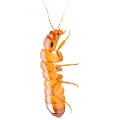
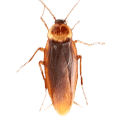
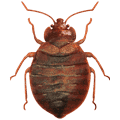

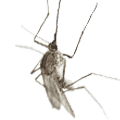
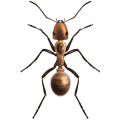

One cockroach on a freshly pressed shirt can lose a neighbourhood laundry its whole street. Word travels fast in a residential community, and "they gave my thobe back with a roach in the fold" is the kind of review no amount of good pricing recovers from. The frustrating part for owners is that the shop floor looks spotless, the problem is always in the back, behind the machines, where the heat and lint live.
Laundries and dry cleaners are a quietly difficult environment to keep pest-free, because the very things that make them work, heat, steam, lint and a constant flow of worn garments, are exactly what pests want. Here's what's really going on behind the dryers, and how a commercial laundry programme actually keeps it clean.
Why a clean-looking laundry still gets pests
Three conditions stack up in the back of a typical shop.
Heat. Dryers, boilers and presses run hot all day, and the cavities behind and beneath them stay warm into the night. German cockroaches thrive at exactly those temperatures, and the motor housings and control cabinets give them dark, warm voids to breed in, undisturbed and out of sight.
Humidity. Steam pressing and washing keep the back area damp. Floor gullies and drains stay wet, condensation collects, and that moisture sustains both roaches and drain-breeding flies. In a sealed, air-conditioned unit the humidity has nowhere to go.
Lint. This is the one owners underestimate. Lint is fine fibre, and it builds up behind dryers, in ducting, under machines and in corners. It's both harbourage, soft nesting material, and, because it's largely fabric fibre and skin cells, a food source for fabric-feeding pests. A thick lint mat behind a dryer is a pest habitat in its own right.
Add the back-room tea corner and the staff's meals, and you've got food, water, warmth and shelter in one room.
The garment problem nobody mentions
There's a pest risk unique to this trade: the garments themselves come in dirty, and some carry pests in.
Worn clothes arrive with sweat and food residue, attractive to roaches and flies, and woollens and silks can carry clothes moth eggs or larvae from a customer's infested wardrobe. Pile those garments in a warm back room and you can incubate a fabric-pest problem that then spreads to other customers' items. For a dry cleaner handling a lot of wool, suits and abayas, this is a real and specific exposure, the shop becomes a transfer point.
It's a close cousin of the issues we see in other appearance-and-trust trades; our guide to salon and spa pest control covers the same client-confidence dynamic from a different angle.
The pests you'll actually meet
- German cockroaches, in the equipment voids, control cabinets and behind the dryers. The signature pest of this trade.
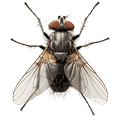
- Drain flies (moth flies), breeding in the organic film inside floor gullies and drains kept permanently wet.
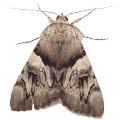
- Clothes moths and carpet beetles, drawn to and transferred via woollen garments and lint accumulation.
- Rodents, where back doors stay open to the alley or the unit backs onto an industrial yard, especially in Sharjah and the older Dubai parades.
What a proper laundry programme covers
Surface spraying the visible floor does almost nothing here, because nothing pest-related lives on the visible floor. The work is behind and beneath the machines.
Behind-the-dryer lint protocol. The single highest-value step. Regular, scheduled removal of lint build-up from behind and beneath dryers and from accessible ducting removes harbourage and food at once. We work this into the service schedule and brief staff on doing it between visits.
Gel bait in equipment voids. Dubai Municipality-approved cockroach gel placed precisely into the motor housings, control-cabinet edges and machine cavities where the roaches actually live, not sprayed across surfaces. Spray repels and scatters; gel reaches the harborage and takes out the colony.
Drain and gully treatment. The floor drains get treated for drain-fly larvae with a bio-enzyme or approved drain product that digests the organic film they breed in. Keeping gullies maintained between visits is half the battle.
Rodent exclusion at the back. Brush seals and door discipline on any rear access, plus secured bait stations where there's a yard or alley behind the unit.
Intake and storage hygiene advice. Guidance on not letting dirty garments pile up warm overnight, isolating obviously infested woollen items, and storage that doesn't double as harbourage.
Documentation. A service log and pest-control record, which matters for your trade licence and any municipality hygiene inspection. Food-handling rules don't apply to a laundry the way they do to a kitchen, but municipal hygiene expectations for a customer-facing premises do, and a documented programme is what you show an inspector.
Tell your pest control company the real layout, where the dryers vent, where the lint collects, where the floor drains are. A technician who only treats the front counter is treating the one place pests aren't.
Keeping it clean between visits
The owner and staff close most of the gap:
- Clear lint behind and under dryers on a set schedule, not just the lint trap.
- Keep floor drains flushed and not left with standing organic sludge.
- Don't let intake garments pile up warm overnight; bag and isolate any item that looks pest-affected.
- Lidded bins, cleaned-down tea corner, no open food in the back.
- Keep the rear door shut or brush-sealed; that alley is where the rodents are.
This sort of work pairs naturally with cover for any front-office or admin space if your laundry runs a larger operation with a separate reception or back office.
FAQ
Why do I get cockroaches when my laundry is cleaned every day? Because the cleaning is on the visible floor, and the roaches live in the warm voids behind and inside the machines, in motor housings, control cabinets and lint build-up, where daily mopping never reaches. The heat and humidity of a laundry are ideal for German cockroaches. Gel baiting those voids and clearing the lint is what actually controls them.
Can pests transfer between customers' clothes at my shop? Yes, and it's an under-appreciated risk. Garments can arrive carrying clothes moth eggs or larvae, and a warm back room piled with woollens can let them spread to other items. Isolating obviously affected woollens, not letting intake sit warm for long, and a regular fabric-pest treatment reduce the chance of your shop becoming a transfer point.
What's the deal with the small flies around my drains? Those are almost certainly drain flies (moth flies), breeding in the organic gel film inside floor gullies and drains that stay wet. Surface spray won't fix them, the larvae are down in the drain. The fix is treating the drains with a bio-enzyme product and keeping the gullies flushed and maintained.
Do laundries need a documented pest control record? It's strongly advisable. While laundries aren't held to food-premises rules, they are customer-facing premises subject to municipal hygiene expectations under their trade licence, and a service log demonstrates due diligence if there's an inspection or a customer complaint. A scheduled commercial contract with documentation is the simplest way to stay covered.
Running a laundry or dry cleaner where the back room never quite stays clean? Arrange a back-of-house assessment and we'll target the dryers, drains and lint, the places the pests actually live, not the spotless counter your customers see.
Tags
Written by
Maria Fernandez, Commercial Accounts Lead
PestSwift technicians and entomologists publish field-tested pest control guidance for UAE homes and businesses.