




A Jumeirah salon's wax-room had drain flies emerging from the pedicure bowl drain for three consecutive client appointments before the manager called us. The previous pest contractor had recommended fogging the back-of-house overnight. The salon's wax pots and acetone bottles were still on the open shelves. Fogging would have been a flammability incident waiting to happen, and the residue would have been on every client's skin the next morning.
This is the gap most pest control companies miss when they take on a salon or spa. The client zone is fundamentally different from a kitchen, an office, or a residential apartment. Clients sit in a chair or on a treatment bed for 60–120 minutes with face, hands, scalp, or skin exposed. Anything residual on the chair, the cape, the towels, or floating in the air will end up on or in the client. The treatment protocols for a salon need to start from that constraint and work backwards.
If you run a salon or spa in Dubai or Abu Dhabi and you're balancing a DM hygiene certificate, a DHA or DOH facility licence, and the inevitable pest issues that come with hot water, hair, sugar wax, food refreshments, and back-bar product storage — this is what works.
What you're actually fighting in a salon or spa
Five species turn up consistently in our UAE salon and spa work:
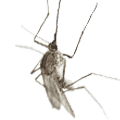
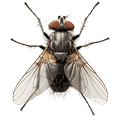
- Drain fly (Psychoda alternata) — the small fuzzy black fly emerging from shampoo bowls, pedicure basin overflows, and floor drains in nail stations. Breed in the biofilm inside drain stacks. Hard to ignore once a client comments.
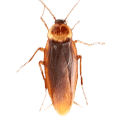
- American cockroach (Periplaneta americana) — back-bar storerooms, stockroom floor drains, hot-water heater closets. Larger and more visible than German cockroach, more likely to be spotted by a client.
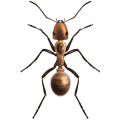
- Sugar ants and pharaoh ants — sugar wax stations, refreshment counter, complimentary dates and dried fruit, even the keratin debris around the manicure station attracts pharaoh ant trails. Once a pharaoh ant colony is established (multi-queen, splits when disturbed), it's a multi-month elimination project.
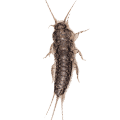
- Silverfish in product storage — particularly back-bar shelves with paper packaging on hair colour and chemical product cartons. Largely cosmetic problem but it does mean storage moisture is wrong.
- House mouse in older buildings — particularly Karama, Bur Dubai, or older Sharjah salons. Same entry-route story as the Greens mouse case, just with different finishes around it.
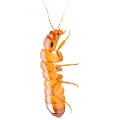
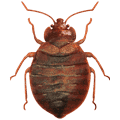
What you almost never get unless something has gone seriously wrong: bed bugs (rare in salon environments — clients don't sleep there), termites (no significant cellulose), or stored-product pests (no grain).
Why standard residential treatment is the wrong answer
Three reasons:
1. Client surface contact
Residual liquid sprays — deltamethrin, bifenthrin, alpha-cypermethrin — are designed to stay active on a dry surface for 60–90 days. That works in a residential kitchen baseboard. It does not work on a styling chair, a treatment bed, a manicure table, or a pedicure footrest. Clients touch these surfaces with bare skin for extended periods.
Any technique that involves residual chemistry on client-contact surfaces is wrong, regardless of the active ingredient's safety profile in other contexts.
2. Flammability and chemical reactivity
Salons and spas store flammables: acetone, alcohol-based cosmetic products, hair dye developer (hydrogen peroxide), aerosol hairsprays, propellants in shaving foams, hot wax. Open-container storage is normal.
Fogging an active salon floor with pyrethroid carrier — even a low-concentration mist — creates a flammability risk we won't take. Aerosol-based residual sprays present the same issue. Many of the wax pots and tool sterilisers on a salon floor run hot.
3. Reopening time
A standard residential treatment requires 4–6 hours of ventilation before re-occupancy. A salon's commercial schedule typically can't absorb that during operating hours. Treatment must happen after closing and the surfaces must be wiped, towels relaundered, and the air fully turned over before the first morning client.
The salon-grade protocol
Inspection (free with treatment)
A technician walks: shampoo bowl bay, pedicure stations, manicure tables, wax-room, back-bar storage, hot-water heater closet, kitchen / refreshment counter, stockroom, staff WC, client WC, exterior dumpster proximity. Scope flagged per zone with what's appropriate to apply where.
Drain fly — the most common call
Drain flies live in the biofilm inside drain stacks. Surface treatment is irrelevant. The protocol:
- Bio-enzymatic foam poured down each shampoo bowl, pedicure basin, manicure-station drain, and floor drain at end-of-day, three consecutive nights, then weekly maintenance.
- Sticky monitor cards above the basin (out of client sightline) to track population.
- Mesh covers on floor drains overnight (removed at morning open) — physical barrier preventing emerging adults from entering the salon air.
- NO residual surface spray in the wet-services bay. Walls and floor are constantly wiped during the day; chemistry would either be rapidly removed or transfer to towels.
Drain fly populations collapse within 14–21 days when the biofilm is broken. The biofilm rebuilds in 4–6 weeks if maintenance lapses.
Cockroach in back-bar and stockroom
Gel-bait only. Hydramethylnon, fipronil, or indoxacarb placed inside cabinet hinge cavities, behind kickplates, in voids around water-heater plumbing penetrations. Never on shelves with product.
No residual liquid spray in any room with stored chemical product. Cross-reactivity risk is low for individual chemistries but customer-facing inspectors won't tolerate the optics.
For populations established in older salons, supplement with insect growth regulator (pyriproxyfen) in the harborage void. Doesn't kill adults, prevents new generation reaching maturity. Combined with bait, collapses the population in 4–6 weeks.
Ant management
- Sugar/pavement ants on a refreshment trail: target the trail with non-repellent gel-bait at the edge of the counter. Workers carry it back to the colony. Don't spray the trail — that fragments the colony into multiple satellite colonies.
- Pharaoh ants: identification first (small, pale-yellow, slow trails). Then a longer programme — bait stations with insect growth regulator gel, refreshed weekly for 6–8 weeks. Pharaoh colonies bud when stressed, so any application that disturbs without eliminating makes the problem worse. Patience.
Spray-treating an ant trail with a Carrefour aerosol is the most reliable way to turn a 2-day problem into a 2-month problem.
Silverfish in product storage
- Reduce moisture: a hygrometer reading below 55% in the storage room kills silverfish over weeks. Often the highest-leverage intervention is fixing a small water leak or replacing a desiccant pack.
- Boric acid dust in shelving voids — out of any contact with product cartons.
- Glue boards behind shelving for monitoring.
Mouse exclusion
If evidence is found: snap traps in tamper-resistant boxes inside back-of-house cabinets, exclusion seal of any external-wall pipe sleeve in the storage area, glue boards in monitoring positions. Not in any client-facing zone.
When and how we apply
- Service window: After closing. Minimum 2 hours of ventilation post-treatment before salon staff re-enter, typically scheduled 9 PM–6 AM.
- Surfaces wiped after every treatment: bait spots are placed in concealed voids, but any visible work surface that may have had incidental contact is wiped before opening.
- Towels and capes relaundered if they were in the treated zone overnight. Hot wash 60°C minimum.
- Wax pots and tool sterilisers: covered or removed during application of any chemistry. Restored after treatment.
- Live plants: removed from the treatment zone for the visit; returned next day.
Cadence — what works
Based on our active UAE salon and spa contracts:
- Back-of-house monthly (back-bar, stockroom, hot-water closet, staff WC, kitchen): preventive baiting, monitoring station refresh, drain enzyme top-up.
- Client zone quarterly (treatment beds, styling chairs, manicure tables, pedicure stations): inspection only unless an active issue. Concealed-void touchpoints only if needed.
- Drain enzyme weekly (self-applied by salon staff, supplied by us, monthly resupply).
- Reactive visits within 24 hours for any client-flagged sighting.
Quarterly client zone is the standard. Anything more frequent is excessive for the actual pest pressure of a normally-operated salon and triggers the question of whether ongoing chemistry is needed at all.
DHA, DOH, and DM compliance
Three certificates touch a salon's pest programme:
- DM Hygiene Certificate — required for the salon's premises licence. Pest control records by a DM-approved contractor are part of the renewal pack.
- DHA Health Facility Licence (Dubai medi-spa, dermatology-adjacent services) — adds infection control documentation, of which pest control is one element.
- Abu Dhabi DOH equivalent for AD spas and beauty centres.
We deliver the documentation pack monthly: visit log, finding register, chemical use log with material safety data sheets, contractor licence copy, technician handler certifications. Available to your inspecting officer in 5 minutes.
Real cost band
- Single-station treatment (urgent drain fly call, single bay): AED 380–620.
- Small salon monthly contract (4–6 chairs, 2 shampoo bowls, 1 pedicure station): AED 1,200–1,800/month.
- Mid-sized salon / day spa (8–14 chairs, 4 treatment beds, full back-of-house): AED 2,200–3,500/month.
- Large multi-floor day spa or hammam: AED 4,500–7,500/month.
- Annual contract (typically 10% off monthly equivalent).
For a comparable F&B-vertical reference on commercial pest control sizing, see the boutique hotel pest control case. For HACCP-grade pest documentation, the HACCP restaurant pest piece covers the documentation discipline carrying over.
What you can do between visits
- Drain enzyme weekly, end-of-day on every wet drain. Takes 3 minutes per station. We supply.
- Inspect refreshment counter daily. Any ant trail = act in the first hour, before they recruit.
- Hot-wash all towels at 60°C minimum. Standard salon practice but worth verifying with your laundry vendor.
- Check exterior dumpster proximity weekly. Doors propped open by your cleaner = mouse and cockroach invitation.
- Hygrometer in storage — keep below 55% RH.
FAQ
Are pest control chemicals safe to use in a beauty salon?
The correctly chosen chemistries — bio-enzymatic drain treatment, gel-baits in concealed voids, insect growth regulators — yes, they can be used safely in a salon environment. The wrong chemistries — residual liquid sprays on chairs, fogging during stocked-shelf hours, broad-spectrum aerosols — are not appropriate for salons. The vendor's protocol selection matters more than the brand of chemistry.
How long after pest control can a salon reopen for clients?
With our protocol — gel-bait in voids, drain enzyme, no surface residual — minimum 2 hours of ventilation post-application. Most contracts run 9 PM–6 AM with 6 AM ventilation start, ready for a 9 AM first appointment. If a vendor proposes a treatment that needs 24-hour reopening lead, that vendor is using the wrong chemistry for a salon.
What pests are most common in Dubai salons and spas?
Drain flies first (in shampoo bowls and pedicure basins), American cockroach in back-bar and stockroom, sugar/pharaoh ants on refreshment trails and around manicure stations, silverfish in stored product cartons, occasional mice in older buildings. Bed bugs and termites are rare unless something has gone unusually wrong.
Does DHA require pest control for licensed spa facilities?
The DM hygiene certificate (which the DHA spa licence is contingent on) requires premises hygiene including pest control by an approved contractor. Documentation is checked at annual renewal. DHA-licensed medi-spas additionally need infection control documentation in which the pest programme is referenced.
Running a salon, day spa, hammam, or beauty facility in the UAE? Talk to PestSwift's commercial team. We'll do a free site walk and propose a salon-appropriate protocol — not a residential one in a salon.
Tags
Written by
Maria Fernandez, Commercial Accounts Lead
PestSwift technicians and entomologists publish field-tested pest control guidance for UAE homes and businesses.