






Forty-eight beds across eight rooms, one block in Mussafah M-11, and a bed bug problem that the camp boss had been fighting with hardware-store spray for three months. By the time we were called, the bugs had spread from two rooms to all eight. That's the pattern with bed bugs in worker accommodation — treat it room by room and they simply walk next door while you work.
Bed bug treatment in Mussafah accommodation isn't the same job as a single Abu Dhabi apartment. The density of beds, the shared movement of people between rooms, and the volume of soft furnishings all change the protocol. Get the logistics right and you clear it once. Get them wrong and you're back in six weeks.
Why shared accommodation is the hardest bed bug job in the UAE
Bed bugs spread by hitchhiking — on bags, clothes, mattresses and the seams of bunk frames. A labour accommodation concentrates every one of those vectors. Residents share a block, move between rooms to socialise, and store belongings in lockers pressed against shared walls. One infested mattress arriving from another camp can seed an entire wing.
In Mussafah specifically, several things make it worse. The blocks are high-occupancy with metal bunk beds, and the hollow tubing of a bunk frame is an ideal harborage — dark, tight, and right next to a sleeping host. Lockers and the gaps behind them give the bugs daytime cover. And because turnover is constant, new introductions keep arriving.
So the unit of treatment is never one bed. It's the affected rooms treated together, in a single coordinated visit, with everyone's belongings handled at the same time.
The block-level protocol
Here's how we run a Mussafah accommodation job, typically over one full day for a block.
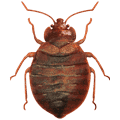
- Inspection and mapping. We check every bunk, mattress seam, locker, skirting and the wall-floor junction, and mark which rooms are infested and how heavily. Bed bugs leave clear evidence: rusty blood spots on mattress seams, dark faecal speckling at the corners of the frame, shed skins, and a sweetish musty odour in heavy cases.
- Resident prep, organised in advance. Bedding bagged and sent for a hot wash (60°C or hotter kills all stages). Personal clothing bagged. Lockers emptied. We brief the camp supervisor on this a day ahead so the block is ready when the team arrives — a prepped block is the single biggest factor in a one-visit clearance.
- Treatment — heat or chemical, often both. For heavy infestations we use heat treatment, raising the room to 50°C and above and holding it long enough to kill bugs and eggs in the bunk tubing and locker voids where chemicals struggle to reach. For lighter rooms, a layered chemical approach works: a residual along seams and frames, an IGR to break the breeding cycle, and steam on mattresses and soft furnishings. We rotate between several actives because bed bug populations in the UAE have shown resistance to single-product spraying. The choice between heat and chemical is worth understanding — our guide on heat versus chemical bed bug treatment breaks down when each wins.
- Bunk frames specifically. Metal frames are dismantled or treated at the joints and hollow ends. This is the step DIY spraying always misses, and it's why the camp's own efforts failed.
- Follow-up at 10–14 days. Bed bug eggs that survive hatch within roughly two weeks, so a second visit catches any new nymphs before they breed. For accommodation, we almost always schedule this — it's not optional.
ADPHC compliance and who's responsible
Pest control in Abu Dhabi sits under the Abu Dhabi Public Health Center (ADPHC). Any contractor treating a worker accommodation must be ADPHC-registered, using approved products applied by certified technicians. For an employer, using a registered contractor isn't just good practice — it's part of meeting labour-housing health standards, and it gives you documentation if the accommodation is inspected.
On responsibility: under UAE labour accommodation rules, providing fit, hygienic housing — which includes pest control — is the employer's duty. We provide the treatment certificate and a logged record after every visit, which is exactly what an inspector or an internal HSE audit will ask for. If you run multiple blocks, we can set this up as a scheduled programme rather than reactive call-outs, which works out cheaper and keeps the documentation continuous. Our overview of labour accommodation pest control covers how those programmes are structured.
What it costs
Bed bug work in accommodation is priced by room count, bed density and method. As a guide for Mussafah:
- Single room, chemical, light infestation: AED 250–400
- Heat treatment per room (heavy / resistant): AED 600–1,200
- Whole block (8–10 rooms), programme rate: quoted per block, well below the sum of individual rooms
Heat costs more per room but for a heavy, resistant infestation it's often the cheaper route overall because it clears in one pass and reaches the bunk-frame voids. We quote after inspection, and the quote includes the mandatory follow-up.
Keeping a block clear
After treatment, a few standing habits keep re-introduction down:
- Inspect any second-hand or transferred mattress before it enters the block; better still, don't allow them.
- Use bed bug-proof mattress encasements on bunks — they trap any survivors and make future inspection trivial.
- Keep a simple log of complaints so a flare-up in one room gets treated before it spreads.
- Reduce clutter around beds and lockers; less harborage means faster detection.
Why the camp's own spraying made it worse
This comes up on almost every accommodation job, so it's worth saying plainly. Retail aerosol sprays are repellents. Spray a mattress seam and the bed bugs don't die — they scatter, moving deeper into the bunk tubing, into the locker behind, and into the next room along. Three months of room-by-room spraying in that M-11 block is exactly why a two-room problem became an eight-room one.
There's also a resistance angle. UAE bed bug populations have shown reduced sensitivity to the pyrethroids in most consumer products, so even direct hits often fail to kill. Professional work gets results because it pairs reach (heat, steam, void treatment) with rotated chemistry and an IGR, then verifies with a follow-up. DIY does none of that.
FAQ
How do you treat bed bugs across a whole accommodation block? You treat the affected rooms together in one coordinated visit, never one bed at a time. That means prepping the whole block in advance, treating bunk frames and lockers as well as mattresses, and scheduling a follow-up at 10–14 days to catch newly hatched bugs. Treating piecemeal just lets them migrate to untreated rooms.
Is heat or chemical better for labour camp bed bugs? Heat is best for heavy or resistant infestations and for reaching the hollow bunk-frame tubing where bugs hide — it kills all stages in one pass. Chemical (residual plus IGR plus steam) is fine for lighter rooms and costs less per room. We often combine them within the same block, matching the method to each room's severity.
Who pays for bed bug treatment in staff accommodation in Abu Dhabi? Providing hygienic housing, including pest control, is the employer's responsibility under UAE labour accommodation standards. Using an ADPHC-registered contractor and keeping the treatment certificates also protects the employer during an inspection.
How fast can you clear a Mussafah block? Most blocks are treated in a single day, with a follow-up visit about two weeks later. The biggest variable is prep — a block that's bagged bedding and emptied lockers before we arrive clears far faster and more reliably.
Running an accommodation in Mussafah with a bed bug problem? Talk to our commercial team for a block inspection and a programme quote. You can also read more about bed bug biology and treatment, see our apartment and residential pest control, or how we cover Mussafah and wider Abu Dhabi.
Tags
Written by
Maria Fernandez, Commercial Accounts Lead
PestSwift technicians and entomologists publish field-tested pest control guidance for UAE homes and businesses.