









A 14-unit holiday-home portfolio, one bed bug claim, and a refund worth more than a year of pest control
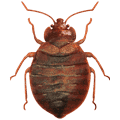
A holiday-home operator with 14 units between Dubai Marina and Downtown got a single guest complaint — bites on the legs after a three-night stay in a Marina studio. The guest left a 1-star review with photos before checkout. Airbnb processed a full refund (about AED 1,400 for the stay), credited the guest, and flagged the listing.
The operator called us. We did same-day inspection of the affected unit (light infestation in one mattress) and a parallel inspection of two adjacent units in the same tower (negative). We treated the affected unit and added a turnover-cycle inspection to the operator's contract.
Total cost of remediation: about AED 1,800 for the bed bug treatment, plus AED 2,400/month for ongoing portfolio coverage across all 14 units (roughly AED 170/unit/month). Total cost of not having had pest coverage in place: the AED 1,400 refund, plus an estimated AED 8,000–12,000 in lost forward bookings from the visible 1-star review on a previously 4.8-star listing.
This is the holiday-home pest math. A single bad review costs more than a year of competent prevention.
What DET inspectors actually check
Dubai's Department of Economy and Tourism (DET, formerly DTCM) holiday-home permit framework requires properties to meet safety and quality standards. Inspections happen on a mix of scheduled and complaint-driven bases. Our experience with operator clients is that DET inspectors look for:
- Bed bug evidence — visible bites on bedding photos, dark spotting on mattress seams, eggshell debris in headboard joints. This is the highest-probability finding in a holiday-home inspection.
- Cockroach activity — droppings, live insects, dead insect debris in kitchen cabinets and under sinks.
- Drain fly activity — small dark flies hovering near bathroom drains. Especially common in units with intermittent occupancy.
- Ant trails — particularly black house ants and pharaoh ants in kitchen cabinets.
- Rodent droppings in any storage areas, especially the under-sink utility space.
A DET inspection finding doesn't always result in immediate license action, but it does generate a written notice. Multiple notices on the same property over a 12-month window can affect permit renewal.
The guest-review legal exposure
This is what most operators don't fully account for. Beyond DET, holiday-home operators have three layers of consumer-protection exposure:
- Platform refund policies. Airbnb and Booking.com both have well-established processes for guest pest-related complaints. A documented bite or pest sighting typically results in a full refund and a refund-fund debit to the host.
- Public review consequences. A 1-star review with a pest-related complaint is the single most damaging review type for a short-let listing. Recovery typically takes 8–14 forward bookings of clean reviews to restore listing momentum.
- UAE consumer-protection authority claims. Less common, but a guest who suffers documented health impact (e.g. allergic reaction to bed bug bites) can file a consumer claim. Outcomes vary; the public-complaint route is often more damaging to the operator than the financial settlement.
The defensive posture for an operator running 5+ units: assume any unit will be inspected, every check-in is a potential complaint trigger, and prevention is cheaper than reaction.
What a competent holiday-home pest contract actually looks like
We work with about 40 holiday-home operators across Dubai (single-unit and portfolio). The contract structure that consistently works:
Monthly inspection rotation across the portfolio. For a 10-unit portfolio, that's typically 2–3 unit visits per week with each unit hit once a month. We schedule around occupancy gaps so the inspection happens between guests, not during.
Bed bug-focused inspection protocol. This is the core risk. Each visit:
- Mattress seams and bunkie-board joints, both sides.
- Headboard back and underside.
- Sofa cushion seams in lounges.
- Skirting boards in bedrooms (run a flat blade along).
- Behind any framed pictures or wall-mounted décor on bedroom walls.
Quick-response heat treatment available. For any guest complaint or staff sighting, we hold capacity for same-day or next-day heat treatment. Heat treatment is the gold standard for a single-unit bed bug emergency in a holiday home — it kills all life stages in one visit, no lingering chemical residue, and the unit is rentable again within 6–8 hours.
Routine pest items. Cockroach gel-bait refresh in kitchens, ant baiting where needed, drain treatment for drain flies, perimeter check for rodent activity. These are the secondary risks but they aggregate.
Documentation pack per inspection. A timestamped report goes to the operator with photos, findings, and any actions taken. Useful for DET correspondence and for guest-complaint defence.
Real cost structure
| Portfolio size | Typical monthly cost | Per-unit cost | Includes |
|---|---|---|---|
| 1–3 units | AED 250–600 | AED 200–250/unit | Monthly inspection, baseline pest control, emergency response |
| 4–10 units | AED 800–2,200 | AED 180–220/unit | As above + dedicated technician relationship |
| 11–25 units | AED 2,400–5,500 | AED 170–200/unit | As above + portfolio-level reporting + bulk heat treatment availability |
| 25+ units | Quoted | AED 150–180/unit | Custom — operator becomes a key account |
For comparison, a single same-day bed bug treatment in a Marina studio runs AED 1,200–1,800. For a 10-unit portfolio, the math says: the contract pays for itself the first time it prevents one complaint.
Operator routines that actually reduce pest risk
Beyond the contract, the operations side matters. Our highest-performing operator clients have these built into turnover SOPs:
- Bed bug visual during every linen change. Cleaning crew is briefed on what to look for — dark spots on sheets, cast skins, the sweet musty smell of a heavy population. Five seconds per bed.
- Sealed mattress encasements on every bed. AED 60–120 per bed, lasts 3+ years, dramatically reduces the time-to-detect for a new infestation. We strongly recommend this for any portfolio above 5 units.
- Steam cleaner for fabric between long-stay guest changeovers. A handheld steam unit costs AED 300–500 and runs over upholstery and headboards in 10 minutes.
- No second-hand mattresses or used furniture. The fastest way to import bed bugs is buying a used sofa from a closing-down sale.
- Drain flush with hot water weekly in unoccupied units. Stops drain flies from establishing.
What guests will and won't tolerate
Guest research from major short-let operators is consistent on this: pest issues are the second-fastest way to a bad review (cleanliness is first; pests are part of cleanliness in guests' minds). Recovery from a pest-related 1-star review takes the longest. By contrast, a slightly older mattress or older paint job rarely affects ratings — guests tolerate dated, they don't tolerate creatures.
What this means for portfolio prioritisation: pest spend is one of the highest ROI line items in a holiday-home operations budget. The operators who treat it as discretionary rather than essential are the ones who lose listings to bad reviews.
If you're operating 1+ holiday homes in Dubai and you don't currently have a pest contract in place, contact us for portfolio sizing. Same-day responses available for any active complaint or DET notice.
For single-unit holiday-home operators in specific buildings, see also bed bug treatment in Dubai Marina high-rises — most Marina holiday units share the building-level access logistics described there.
FAQ
Does DET require a pest contract for holiday-home permits?
Not as a hard requirement at permit issuance. DET requires "appropriate cleanliness and safety standards." A documented pest contract is the most reliable way to demonstrate compliance during an inspection or complaint investigation. Most professional operators above 5 units treat it as effectively required.
Who is liable if a guest gets bed bugs from my unit?
The operator is liable for the refund (platform-level) and for any direct consumer claim. UAE law generally places responsibility on the property operator for habitability conditions including pest control. Insurance products for holiday-home operators sometimes include pest-related coverage but the standard products usually exclude it. The practical answer: the operator pays.
How fast can a bed bug treatment turn around a unit for re-listing?
Heat treatment: 6–8 hours from start to ready-to-list. Chemical+steam: 24 hours (residual needs to dry). Most operators block the next-night booking after a treatment to be safe. For a 14-day full warranty, we recommend a follow-up inspection at day 14 before re-listing in some cases.
What about non-bed-bug pests — are they urgent?
Roaches and ants are urgent for guest experience but rarely trigger refunds or 1-star reviews on their own — most guests tolerate seeing one cockroach if the unit is otherwise clean. Bed bugs are the catastrophic risk because the bites are visible on the guest, last 7–14 days, and are unambiguous. Drain flies are mild but cumulative — they stack with other small irritants and erode ratings.
Tags
Written by
Maria Fernandez, Commercial Accounts Lead
PestSwift technicians and entomologists publish field-tested pest control guidance for UAE homes and businesses.