













A Marina infestation we never expected to find in a brand-new tower
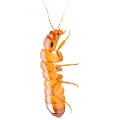
A tenant in a 38th-floor Marina Pinnacle one-bedroom called us last March about "mosquito bites" she was getting overnight. The unit was eight months old, freshly handed over, no second-hand furniture. Our technician pulled the headboard off the wall and counted seventeen adult bed bugs in the bolt cavities, plus a fresh egg cluster on the back of the bedside table.
The source turned out to be the unit two floors down. A short-term Airbnb tenant had checked in with infested luggage three weeks earlier. The bugs had moved up the building through a vertical pipe chase that runs every kitchen and bathroom stack in that tower line.
Thing is, this is not unusual. Marina towers concentrate the conditions bed bugs love: high turnover, furnished rentals, shared pipe routes, and tenants who don't want to tell the building they have a problem.
Why high-rise treatment is different from villa treatment
In a villa, you treat the unit and you're done. The infestation is contained by walls that don't share with anyone. In a Marina tower, every two-bedroom on the same column shares plumbing risers, HVAC return paths, and electrical conduits. Bed bugs don't travel far on their own — about eight metres in a week if undisturbed — but pipe chases give them a ladder.
We've treated 200+ Marina apartments over the last four years. The pattern is consistent:
- Furnished short-let units in towers like Princess Tower, Marina Pinnacle, Cayan, and Damac Heights account for roughly 60% of our Marina case load.
- Owner-occupied units catch infestations late because owners assume "new building, no problem."
- Roughly one in three Marina jobs requires treating at least one neighbour unit to prevent re-infestation within 60 days.
Heat treatment vs chemical: what actually works in a Marina tower
Both methods are Dubai Municipality approved. Both work when done properly. The honest answer about which one to pick depends less on which is "better" and more on what your building's facilities management will allow.
Heat treatment
We heat the affected rooms to a sustained 50–55°C for 90 minutes minimum. At that temperature, every life stage dies — adults, nymphs, eggs. No chemical residue. We use propane-fired or electric heaters depending on the building (most Marina towers won't allow propane above the ground floor, so electric is standard). Treatment time per one-bedroom: 6–8 hours including ramp-up.
Where it shines: furnished short-let units that turn over weekly, units with chemical-sensitive occupants (asthma, infants, pets), and any case where the tenant needs to be back in the bed that night. Heat finishes in one visit.
Where it struggles: units with extensive electronics that can't tolerate heat (high-end home theatres, vintage instruments), and units where FM won't let us bring in the equipment outside service-elevator hours.
Chemical treatment
We use a rotation of DM-approved actives — typically a synergised pyrethroid (deltamethrin or bifenthrin) for knock-down, paired with an insect growth regulator (IGR) like pyriproxyfen for the eggs. Three visits, 14 days apart, because no chemical kills bed bug eggs reliably and the IGR needs that window.
Where it shines: units the tenant can vacate for 4 hours per visit, owner-occupied units willing to do the three-visit protocol, units where the budget matters more than turnaround.
Where it struggles: short-let units between bookings, and any apartment where the tenant won't comply with the laundering and decluttering prep. Chemical treatment without prep is wasted money.
The FM and service-elevator problem
Most Marina towers restrict contractor access to a service elevator that operates from 6am to 10am only, with another window after 6pm in some buildings. Cayan won't accept any pest control contractor without a 48-hour FM notification and a copy of the technician's DM card. Marina Pinnacle requires a Material Safety Data Sheet for every chemical brought into the building. Princess Tower has a 10am cut-off for any heat treatment to avoid lobby AC strain.
If your contractor doesn't know which forms each tower requires, you'll lose a treatment day to FM paperwork. We pre-file with the major Marina FMs the day before, which is one of the small reasons our scheduled treatments actually start on time. See our bed bug treatment service for what we handle on the FM side.
Real cost bands for Marina apartments
These are honest 2025 numbers from our Marina case load. Final quote depends on inspection — units with heavy harborage in bed frames vs units caught in the first week price differently.
| Apartment | Chemical (3 visits) | Heat (1 visit) |
|---|---|---|
| Studio | AED 450–650 | AED 1,200–1,800 |
| 1-BR | AED 600–900 | AED 1,800–2,600 |
| 2-BR | AED 850–1,300 | AED 2,400–3,500 |
| 3-BR | AED 1,200–1,800 | AED 3,200–4,800 |
If we recommend treating an adjacent unit (the source apartment, or one that's been showing early signs), that's billed separately at the same rate. Most landlords cover this when we provide a written technical justification.
What you should do before the treatment day
The biggest single predictor of treatment failure is poor prep. Specifically:
- Strip every bed in the unit. Wash all bedding at 60°C minimum, then tumble-dry on high for 30 minutes. Bag the laundry in sealed bin liners until laundering is done.
- Do not move furniture out of the unit. You'll spread the infestation to a clean room. Treat in place.
- Vacuum the entire unit, especially around bed frames, headboard mounting points, and skirting joints. Dispose of the vacuum bag in a sealed bag immediately.
- Reduce clutter from under and around beds. Bed bugs harbour in clutter; we can't treat what we can't reach.
- For chemical treatment: nothing goes back on the bed for 4 hours after the last visit. For heat: same-day re-occupancy is fine.
Why your neighbour matters more than you think
If the source unit doesn't get treated, your unit will be re-infested. We've seen 60-day re-infestation rates above 70% in Marina towers when only one apartment treats. The fix is unfortunately bureaucratic: the FM has to authorise an inspection of the column above and below your unit. This works better in owner-occupied buildings than in short-let-heavy buildings, but it can be done.
We write a technical letter to the FM after every Marina job recommending column-line inspections. Most FMs act on it; the ones that don't tend to be the same buildings we get repeat calls from. Building-level cooperation is the difference between a one-time fix and a recurring problem.
See our coverage of bed bug specifics in JBR's furnished towers for the parallel set of constraints in adjacent buildings, or check the Dubai Marina area page for the full service map. If you've got bites and want a same-day inspection, contact us and we'll arrange the FM paperwork ourselves.
Frequently asked questions
Can bed bugs survive Dubai's summer heat?
Indoors, easily. Marina apartments stay between 22–25°C year-round because of central AC. Outdoor temperatures don't matter to bugs that live in your headboard. The 50°C+ kill threshold has to be sustained for 90 minutes inside the harborage points — ambient summer heat outside the window is irrelevant.
Will heat treatment damage my Marina apartment's finishes?
No, when done correctly. We use telemetry probes inside walls and behind cabinets to keep ambient room temperature below the 60°C ceiling that affects most modern furnishings. Wax candles, vinyl records, certain medications, and pressurised aerosols come out of the room before treatment starts. Marble, hardwood, and standard upholstery are unaffected.
How fast can a bed bug infestation spread between Marina apartments?
Through pipe chases, roughly two to three weeks for early-stage migration to an adjacent unit. Through shared corridors and laundry rooms, longer. The fastest spread we've documented in a Marina tower was eight units in nine weeks, all on the same vertical column, traced back to a short-let on floor 11.
Do I need to tell my landlord or the FM that I have bed bugs?
Legally, your tenancy agreement usually requires you to. Practically, the FM finding out via someone else (a neighbour complaint, a building-wide pest sighting) is much worse than you reporting early. We can make the report on your behalf in standard technical language that doesn't dramatise the issue.
Tags
Written by
Dr. Karim El-Sayed, Lead Entomologist
PestSwift technicians and entomologists publish field-tested pest control guidance for UAE homes and businesses.