







The principal's phone call you do not want
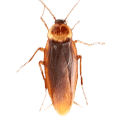
A Dubai private school had a parent complaint about a cockroach sighting in the Year 3 cafeteria during morning break. By 11 AM the principal had asked the facilities manager for the pest-control log. The log existed. It hadn't been updated in five weeks. The last entry referenced a chemical the contractor had stopped using. The contractor's DM card photocopy was from 2022.
None of that meant pest control wasn't being done. It meant the documentation was a year behind reality. When the school's annual KHDA inspection rolled around six weeks later, the pest-control file was one of the items the inspector specifically asked to see — and the gap from 2024 to 2026 became a documented Health & Safety finding.
This is the pattern that creates pest-control problems in Dubai and Abu Dhabi schools. Not bad contractors. Documentation drift. The fix is straightforward but most schools haven't been told what specifically to maintain.
The agencies involved
Three regulators touch school pest control in the UAE. Understanding who looks at what saves a lot of preparation time.
KHDA — Knowledge and Human Development Authority (Dubai)
KHDA's inspection bureau, the Dubai Schools Inspection Bureau (DSIB), runs annual school inspections under the UAE School Inspection Framework. Pest control is not a stand-alone inspection indicator; it falls under Health and Safety, specifically the school's responsibility to maintain a safe, healthy learning environment.
DSIB inspectors ask for the Health and Safety file. The pest-control log sits inside that file. The inspector typically asks for:
- Evidence of regular pest-control service
- Contractor's DM-approved status
- Records of any pest sightings and the school's response
- Child-safety considerations for any chemicals used on premises
ADEK — Abu Dhabi Department of Education and Knowledge
ADEK manages Abu Dhabi private school regulation including the ADEK Inspection Framework. Health and Safety requirements run parallel to KHDA's — pest control sits inside the Health & Safety Environment manual. ADPHC (Abu Dhabi Public Health Center) provides the regulatory backdrop for the pest control contractor and chemicals used.
Dubai Municipality (DM) and Public Health Department
Underlying both KHDA and ADEK is the municipal public health framework. In Dubai, Local Order No. (11) of 2003 Concerning Public Health and Community Safety governs pest control practice across all premises. Schools fall under it. The DM public health inspector can — and does — visit schools independently of KHDA, particularly after a complaint or seasonal pressure (mosquito surge, rodent activity in adjacent corridors).
DHA / DOH — Dubai Health Authority / Abu Dhabi Department of Health
For school nurseries and on-site clinics, DHA (Dubai) or DOH (Abu Dhabi) overlays additional requirements. The chemical safety standard for nursery and pre-K facilities is materially stricter — child age below 6 means more chemical exclusions and a tighter scheduling rule.
What goes in the file
This is what we keep in every PestSwift-serviced school's Health & Safety pest control sub-file. If your contractor is not leaving these items, that is the gap to close before next inspection.
1. Contractor licence documentation
- DM-approved pest control company licence (Dubai) or ADPHC commercial pest control registration (Abu Dhabi)
- Annual licence renewal certificate
- Contractor's commercial trade licence
2. Technician documentation
- DM-issued pest control card for each technician assigned to the school
- Identity copy alongside the card
- Pesticide handling certification
These expire and need to be kept current. A 2024 card seen during a 2026 inspection is a problem.
3. Service schedule and log
- Annual service schedule agreed at the start of the school year, broken down by zone and frequency
- Visit log entry for every visit — date, technician, areas serviced, chemicals or actions used, findings, next-visit notes
- Signed-off by school's facilities manager at each visit
The log is the single most-requested document. It must be current.
4. Chemical Safety Data Sheets (SDS)
- One SDS per chemical or rodenticide currently in active use on the premises
- Stored where teachers can access — typically the main office Health & Safety file plus a copy in the canteen
- Updated whenever a new chemical is introduced or a formulation is changed
5. Bait station and treatment-point diagram
- Property map showing exterior tamper-resistant bait stations and any interior treatment or monitoring points
- Updated annually
6. Treatment-during-vacation log
- Specific record of any treatment performed during occupancy that uses non-IGR chemicals
- For nursery and pre-K, a record showing chemical applications were performed during term break only
7. Incident response records
- Any pest sighting reported by staff or parents
- The contractor's response timeline
- Outcome — what was found, what was treated, follow-up confirmation
The child-safe chemical list
This is where most uncertainty sits. There is no single official "UAE school chemical list" — there is the DM-approved list, with school-context-appropriate selections from it.
Allowed during term-time occupancy
- Hydramethylnon and Indoxacarb gel-baits for cockroach and ant control in voids and cabinet hinge channels
- Pyriproxyfen and Hydroprene IGR for insect growth regulation in non-occupied wall voids and service areas
- Bacillus thuringiensis israelensis (Bti) larvicide tablets for mosquito-breeding water sources on school grounds
- Mechanical traps and monitoring stations in restricted-access areas (kitchen, plant room, service corridors)
- Tamper-resistant exterior bait stations with Bromadiolone or Brodifacoum anticoagulant rodenticide
Restricted to term-break only
- Pyrethroid surface residual (Deltamethrin, Permethrin, Lambda-cyhalothrin) in classrooms or other occupied indoor spaces
- Fogging or ULV treatment of indoor areas
- Broad-spectrum residual anywhere students might contact within 48 hours
Not used on school premises (or used only with explicit DM additional approval)
- Organophosphates (Chlorpyrifos, Malathion) — no
- Carbamates in classroom or food-service areas — no
- Aerosol fogging during occupancy — no
For nursery and pre-K specifically, the term-time list narrows further. Surface residual treatment is excluded even during half-terms. Only gel-baits in inaccessible voids and IGR in wall cavities.
For a fuller treatment of the approved list, see Dubai Municipality approved pesticides.
Scheduling — what works for the school calendar
The operational pattern that survives inspection and minimises classroom disruption:
Term-time (weekly or fortnightly):
- Exterior perimeter inspection and bait station service
- Kitchen and food-service IGR refresh + monitoring
- Plant room and service corridor inspection
- Gel-bait refresh in any non-classroom locations
- Incident response visits as needed
Half-term (typically October half-term, February half-term, Easter break):
- Classroom and library light residual where the school requests it
- Auditorium and assembly hall residual
- Drainage system fogging where seasonal pressure justifies
- Full deep treatment in any kitchen prep area
Summer break:
- Whole-school full reset — comprehensive residual, drainage system service, exterior fogging if mosquito pressure has been heavy, structural-pest treatments (termite, etc.)
This is the cadence we've found inspectors and parents both accept. The school keeps a copy of the calendar in the Health & Safety file alongside the log.
For more on school-term scheduling logistics, our school pest control UAE term-time post covers the operational side.
The five most common compliance gaps we see
From audits of schools that switched to PestSwift in the last 18 months:
- The pest-control log is more than 4 weeks behind reality. Visits happened; entries weren't filed. The fix is simple — sign the log on every visit, leave a copy with the facilities manager same-day.
- The contractor's DM card on file is expired. Cards renew annually; the photocopy in the file isn't always replaced. Annual refresh is part of our compliance pack delivery.
- There is no bait station diagram. Stations exist; their locations aren't documented on a property map. Inspectors visiting the kitchen ask where stations are — the answer should be "diagram on page 4 of the file."
- SDS files are out of date. A chemical was substituted; the old SDS is still on file. Quick fix on every formulation change.
- Treatment-during-occupancy documentation is missing. Someone did a classroom residual mid-term without a recorded reason or chemical detail. This is the single hardest gap to remediate retroactively.
Pricing for school pest control programmes
Real numbers for Dubai and Abu Dhabi schools, based on PestSwift-serviced facilities:
| School size | Monthly fee (term-time + half-term + summer) |
|---|---|
| Nursery / pre-K, single-building | AED 1,200–1,800 monthly |
| Primary school, 400–800 students | AED 2,400–3,800 monthly |
| Through-school, 800–2,000 students | AED 4,800–7,500 monthly |
| Multi-site or campus school, 2,000+ students | AED 8,500–14,000+ monthly |
The fee is averaged across the year — heavier scope in school holidays, lighter during exam weeks, plus incident response built in.
FAQ
How often should a school have pest control treatments?
Weekly or bi-weekly exterior service is the operational norm for schools serving meals on site. Interior service is integrated into the visit schedule but scoped to non-occupied zones. Treatment intensity scales with seasonal pest pressure — mosquito and fly pressure rises March–November in the UAE.
What happens if a student or parent reports a sighting?
The school files an incident note in the pest-control log, contacts the contractor, and the contractor responds within 24 hours for any sighting in a food-contact area or classroom, 48 hours for office or storage. The response visit, findings, and corrective action are documented in the log. KHDA and ADEK both look favourably on documented incident response — what they look unfavourably on is a sighting with no follow-up record.
Can a school do its own pest control without a contractor?
Not legally. Pest-control work in commercial premises in Dubai requires a DM-approved company and a carded technician. Schools fall under that requirement. Internal facilities staff can monitor and report, but they cannot apply chemicals — even over-the-counter ones — within the school environment.
What if the inspector visits and the contractor isn't on-site?
The documentation should stand alone. A current log, valid contractor licence, current technician card on file, SDS files, and the bait station diagram together demonstrate the programme is real and ongoing without needing the contractor to be present.
Get your file inspection-ready
If your school inspection is on the calendar within the next 90 days and the pest-control file hasn't been audited recently, we offer a documentation-only audit (no contract change) at a fixed fee — review of your current files, identification of gaps, recommended remediation, and a delivery pack that fits inside your existing Health & Safety file structure. Talk to PestSwift schools team, or read more about our commercial pest control service.
Tags
Written by
Maria Fernandez, Commercial Accounts Lead
PestSwift technicians and entomologists publish field-tested pest control guidance for UAE homes and businesses.