








The chiller deck nobody had been on for fourteen months
A 42-storey residential tower in Business Bay. The owners' association called us in August after a resident complaint about pigeons roosting on the 14th-floor refuge balcony louvers. By the third day on site, we'd documented pigeons, yes, but also a Rattus rattus population running across the cooling tower deck at the top of the tower, scat piles next to the chiller plant condensate sump, and chew damage on three cable-tray entries to the high-voltage MSB room.
The building's standing pest contract was a single annual visit to the basement parking by a tenant-side residential contractor. The FM company had a separate cleaning contract that included the cooling tower wash-down, but nobody had had the conversation about pest control on the mechanical floors. The chief engineer hadn't been on the chiller deck himself in fourteen months — his team had, for chiller PM, but they weren't trained to spot pest activity.
This is the pattern in a lot of Dubai towers. Tenant-side pest contracts cover the flats. The mechanical and FM side is unowned. The places that matter most for population control — the cooling tower, the plant rooms, the garbage chute, the service risers — sit in the gap.
Why the FM side needs its own pest program
High-rise pest ecology has a vertical dimension residential thinking misses. Rats use waste chutes and cable risers as highways between floors. Pigeons colonise rooftop refuge zones and cooling tower drift eliminators. Blattella germanica breeds in shared waste-pipe junctions at every floor. A tenant pest contract that treats individual flats does nothing about the riser, the chute, or the chiller deck — and once the building infrastructure is colonised, the per-flat treatment is on a permanent treadmill.
The other complicating factor is that the FM side has equipment-sensitivity constraints residential pest control doesn't. Liquid spray near a busbar in the main switchboard is a fault hazard. Rodenticide bait stations in the chiller plant water-treatment cabinet are a contamination risk. Pigeon-control spike on the drift eliminators is structurally fine but a wrong-spec spike will detach into the fan blades. The chemistry, the method, and the placement all need to match the zone.
Let's walk through what a working program looks like.
Zone-by-zone protocol
We segment a Dubai high-rise into seven mechanical zones for the pest program. Each one gets distinct chemistry and inspection cadence.
Zone 1: Cooling tower deck (rooftop)
Risk: rodents (food and water available at the chiller condensate basin and the tenant garbage that ends up on the deck), pigeons and feral mynas (drift eliminators and louvers are attractive nest sites).
Methods: Tamper-resistant rodent bait stations on parapet walls only, never inside the cooling-tower basin or within 2 metres of the water-treatment dosing point. Pigeon spike on parapet rails and on the top edge of louvers — stainless steel only, 316 grade, structurally rated. Bird-wire mesh on intake louvers if the louver depth allows. Never spray near the water-treatment system; water carryover into the condenser circuit is a Legionella-prevention regulatory issue separate from pest control.
Cadence: monthly inspection, quarterly bird-deterrent audit.
Zone 2: Plant room (chiller, pump room, BMS panel room)
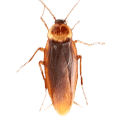
Risk: rodents seeking thermal stability, Periplaneta americana (American cockroach) in floor drains, occasional Mus musculus in the cable-tray voids.
Methods: Sealed mechanical snap traps along wall-floor junctions, mesh exclusion at all wall and floor penetrations, no spray within 3 metres of any electrical panel. Cockroach gel-bait dots at floor-drain rims. Cable-tray penetrations sealed with copper wool + elastomeric sealant.
Cadence: monthly inspection, exclusion audit every 6 months.
Zone 3: Service riser corridors (electrical, plumbing, fire)
Risk: vertical rodent and cockroach movement between floors. Cable risers are the rat-superhighway of high-rise pest ecology.
Methods: Riser-cap inspection every 6 months — open the cap on alternating floors, document activity. Mesh exclusion at any floor where the cap has detached or the original sleeve seal has failed. No bait or chemical inside the riser cavity (fire risk and access risk both real).
Cadence: 6-monthly inspection minimum, annual full-tower riser audit.
Zone 4: Garbage chute and waste room
Risk: highest pest pressure in the building. Cockroaches, fruit flies, drain flies, rodents.
Methods: Quarterly chute brush (mechanical, full-length), chute-mouth slamming-gate audit monthly (failed gates leak both cockroaches and odour into the floors above), Imidacloprid void treatment at hopper level (not inside the chute itself), waste-room floor drain treated with bioenzyme drain-fly product monthly. Rodent bait station outside the waste room access door.
Cadence: monthly inspection, quarterly mechanical brush.
Zone 5: MSB room and electrical panel rooms
Risk: rodent activity is the only meaningful pest risk — chew damage to cabling is high-consequence.
Methods: Mechanical only. No chemistry of any kind near busbars or breaker panels. Sealed snap traps along wall-floor junction outside the panel envelopes. Sealing of all cable-tray entries with non-flammable mesh.
Cadence: monthly inspection.
Zone 6: Tenant amenity floors (gym, pool deck, lounge)
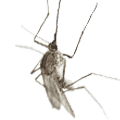
Risk: standard residential pest profile — cockroaches in the gym wet-zone, mosquitoes around the pool deck, ants in the lounge pantry.
Methods: Standard residential IPM with extra attention to the pool deck drain inverts (mosquito breeding) and the gym wet-room floor drains (cockroach harborage).
Cadence: monthly amenity visit.
Zone 7: Basement parking and loading bay
Risk: rodents from the street, occasional bat or feral cat at the loading-bay roller-shutter.
Methods: Exterior bait stations along the ramp, mesh exclusion at the roller-shutter side seals, motion-activated camera coverage of the loading-bay zone for the FM company's review.
Cadence: monthly inspection.
DM Local Order 11/2003 and the OA-vs-FM split
Dubai Municipality's Local Order 11/2003 establishes the building manager's obligation to maintain pest control in common areas. In practice the obligation is met by the FM company on instructions from the owners' association. The split that causes most disputes:
- Inside the demised flat (apartment unit): tenant's responsibility, tenant-side pest contract.
- Common-area corridors, lobbies, lifts: OA / FM responsibility, FM-side pest contract.
- Mechanical floors, plant rooms, cooling tower: FM responsibility, FM-side pest contract.
- Service risers (the cavity, not the flats accessing it): FM responsibility.
If a single-flat treatment in a flat keeps reinfesting from the riser, the OA has to fix the riser. Inversely, if the cooling tower has a pigeon population dropping debris into the tenant-floor balconies, that's the OA's problem, not the affected tenants'.
For a residential-side view of the same building, see our owners association building pest control Dubai guide. For DIFC-style commercial tenancies, see office pest control DIFC tower.
What it costs
Real numbers, AED, VAT-included, annual:
- 15–25 storey tower, single mechanical floor, basic FM program: 22,000–48,000
- 25–45 storey tower, multiple plant rooms + amenity floors: 48,000–95,000
- 45+ storey tower, large mechanical footprint + multiple sky-gardens: 95,000–180,000
- One-off cooling tower deck bird-deterrent retrofit: 12,000–45,000 depending on parapet length and louver area
- Riser audit one-off (full tower): 8,000–22,000
The annual program cost is small relative to the cost of an unmanaged pigeon population corroding the rooftop chiller fan housings, or a single rodent-induced cable fault in the MSB room. We've audited towers where a year of FM-side pest control was less than the cost of one chiller-deck repaint after pigeon faecal damage.
FAQ
Do cooling towers attract rodents?
Indirectly, yes — rodents are after the water more than the tower itself. A cooling tower's open basin and overflow points provide a reliable warm-water source year-round, which is enough to anchor a population to the deck. Once anchored, rats move into adjacent plant rooms and cable risers seeking thermal stability and food. The cooling tower isn't directly attractive but it's the keystone resource.
How do you keep birds off rooftop chillers in Dubai?
Mechanical exclusion only — pigeon spike on parapets and louver tops, bird-wire mesh across deep louvers, fishing-line tensioned across nest-target ledges. Avoid chemical bird-repellents (most leave a residue that contaminates the cooling water if there's any wash-over), avoid traps for protected bird species (consult ADAFSA / DM bird-protection guidance for any non-pigeon species you observe), and never use bait near a cooling tower's water system.
What's the FM standard for pest control on tower mechanical floors?
There's no single mandated standard, but most well-run Dubai towers run monthly FM-side pest inspection covering plant rooms, garbage chute, service risers, and amenity floors, with quarterly cooling-tower deck audit and 6-monthly full-tower riser inspection. The contractor should issue a service report per visit, signed by the FM supervisor, and a quarterly summary for the OA committee.
Can we run one pest contract for both the FM side and the tenants?
Logistically yes, but pricing and scope have to be split clearly. Tenants pay for in-unit treatment; the OA pays for common areas, risers, and mechanical floors. Bundling can lower the per-flat cost (mobilisation efficiency), but only if the scope split is documented per-zone in the contract. We do this kind of structured contract for several Dubai towers; talk to our commercial team about the format.
Talk to our FM team
For a confidential walkthrough of your tower's mechanical floors and a scoped quote for an FM-side IPM program, contact our commercial team. We bring an FM-trained supervisor on the survey rather than a residential technician — the audit work is structurally different.
Tags
Written by
Maria Fernandez, Commercial Accounts Lead
PestSwift technicians and entomologists publish field-tested pest control guidance for UAE homes and businesses.