

A small Al Quoz cattery rang us on a Sunday morning last August. A boarder cat had arrived Friday with fleas. By Sunday two of the five resident cats had visible scratching, and the owner had been advised by her vet that fogging the facility with anything pyrethroid-based would kill her animals. She had a kitten boarding from a regular client arriving Tuesday. She needed a treatment plan that worked within 48 hours and didn't poison the residents.
This is the chemistry constraint that makes pet-facility pest control fundamentally different from any other commercial vertical. Cats lack the glucuronidase enzyme to metabolise pyrethroids. A residual permethrin fog in a cattery — completely standard in a restaurant or office — is a death warrant. Birds metabolise organophosphates differently from mammals; standard chlorpyrifos baits are dangerous around parrots, finches, and the breeding aviaries some Dubai pet boutiques run.
Doing pest control in pet grooming salons, kennels, catteries and boarding facilities means picking the chemistry first based on what's allowed near the animals, then engineering the application protocol around that constraint. Not the other way around.
Why pet facilities have specific pest pressure
Animal-holding facilities run hot for three pest groups that aren't usually a problem in other commercial spaces:
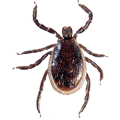
Fleas (Ctenocephalides felis primarily). Every new boarding intake is a potential vector. Even with strict vet-certificate intake requirements, sub-clinical flea loads pass through routine inspection. Flea eggs drop off the animal and develop in floor cracks, run flooring, soft bedding storage areas. Adult emergence happens 3–10 weeks later depending on temperature. UAE summer accelerates this to the short end.
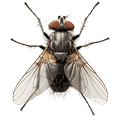
Stable flies (Stomoxys calcitrans) and Phorid flies. Anywhere with concentrated animal waste — kennel runs, cattery litter areas, grooming-table drainage. UV-attracted but also moisture-attracted. Larvae in damp organic matter, adults bite (stable fly) or aggregate around food (phorid).
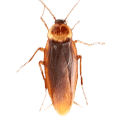
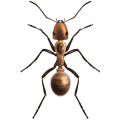
Cockroaches (German + Brown-banded). Pet kibble storage, bedding storage, treat dispensers — high-protein dry food in dim, warm, often partially-cleaned cabinets is German cockroach paradise. We see active populations in maybe 40% of pet facilities on first audit.
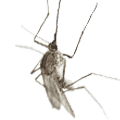
The occasional add-on: bird mites in aviaries, beetle infestations in dry food stores (especially fish food), and mosquitoes in outdoor exercise yards during summer.
The chemistry that's not allowed (and what replaces it)
Let's go through what gets ruled out and the legal substitutes.
Synthetic pyrethroids — banned around cats. Permethrin, deltamethrin, lambda-cyhalothrin, cypermethrin, bifenthrin. All lethal to cats at residual concentrations a dog or human would tolerate. Acute toxicity within 4–18 hours: tremors, hyperthermia, seizure, death. No safe exposure window in an active cattery. Replacement chemistries:
- (S)-Methoprene fogger for flea life-cycle interruption. IGR-only, no adulticide. Resident animals evacuated for 4 hours during fog + 90 min ventilation. Then animals back in. The fog disrupts juvenile flea moulting; adult fleas die naturally within 2–3 weeks. Slow but safe.
- Diatomaceous earth (food-grade) dusted in run flooring cracks, bedding storage corner edges. Mechanical kill — abrades flea/cockroach exoskeleton causing dehydration. Zero chemistry toxicity to mammals. Reapply monthly.
- Fipronil spot-on on individual animals via the facility's licensed vet. This is the only fipronil application allowed in a cattery — never as a facility spray.
Organophosphates — restricted around birds. Chlorpyrifos, diazinon, malathion. Birds are dramatically more sensitive than mammals due to lower hepatic enzyme detoxification capacity. Acute toxicity within 30 minutes to 6 hours: respiratory failure. Replacement chemistries:
- Neonicotinoid gel-baits (imidacloprid, dinotefuran) for cockroach work. Sealed inside cabinet hinges, behind kibble storage units, in service ducts. Birds physically can't access. Excellent target selectivity.
- Boric acid powder in wall-void blow-in. Old-school but reliable for cockroach harborages in old grooming salon construction.
Glue boards — not allowed where animals can reach. Cats and small dogs (and especially escaped guinea pigs and rabbits) get stuck in glue boards. Distress + injury risk. Replacement: UV light traps (Insect-O-Cutor or similar) for fly control, mounted at 2.2m+ wall height, animals can't reach, attract and electrocute flying insects.
The four-zone protocol
In a typical 300 m² pet grooming + small boarding facility, we treat as four separate zones with separate chemistries and schedules.
Zone 1: Animal-holding areas (kennel runs, cattery rooms, recovery spaces)
- Chemistry allowed: Food-grade DE in flooring cracks, (S)-Methoprene IGR fog (with evacuation), Bti larvicide in any standing water.
- NOT allowed: Pyrethroids, organophosphates, residual surface sprays.
- Frequency: IGR fog monthly during summer, quarterly winter. DE refresh every 4–6 weeks.
- Time per visit: 90–120 minutes including animal evacuation logistics.
Zone 2: Grooming bath / table area
- Chemistry allowed: Targeted gel-bait inside drain edges (out of animal contact), UV fly trap mounted high. Mild detergent residue cleaning of drains after every grooming day reduces fly load mechanically.
- NOT allowed: Surface spraying — chemistry transfers to wet animal fur during next grooming and onto the groomer's hands.
- Frequency: UV trap glue board change monthly. Gel-bait refresh quarterly.
Zone 3: Food and bedding storage
- Chemistry allowed: Gel-baits in cabinet hinges, IGR strip behind units, sticky traps in dark corners. The kibble storage is the cockroach battleground in pet facilities. We seal entry points (gap behind cabinet, gap under door) and run a tight gel-bait grid.
- NOT allowed: Aerosol fogging around dry food — chemistry contaminates kibble.
- Frequency: Monthly inspection + gel refresh. Annual full clean-out, deep clean, and re-treat.
Zone 4: Office, reception, public areas (no animals)
- Chemistry allowed: Standard commercial pest control — pyrethroid perimeter spray, fly UV trap, gel-bait. Same as any office.
- Frequency: Quarterly.
The four zones get treated on a coordinated schedule. A monthly visit hits Zone 1 IGR + Zone 3 inspection + UV trap service. Zone 2 and Zone 4 ride along as needed.
Compliance: Dubai Municipality grooming-salon license records
DM-licensed pet grooming salons (activity code 9602904) and pet boarding facilities (9609010) must keep a 12-month rolling pest control log accessible for license renewal inspection. We provide:
- Monthly visit report with date, technician name + DM ID, chemical name and quantity used per zone
- Chemical Certificates of Analysis for any chemistry on-site
- Floor plan with pest control device locations (gel-bait points, UV traps, DE-treated zones)
- Annual pest control summary for license renewal submission
- Method statement covering pet-safe protocols (required for DM grooming license)
Missing pest control records during renewal inspection delays the license by 14–30 days and may carry a Yellow Card. We've handled compliance recovery for two Dubai facilities that came to us mid-renewal — both were issued back-dated documentation packs once we'd run the corrective treatments.
Pricing for pet facilities
| Facility size | Service cadence | AED per visit | AED annual |
|---|---|---|---|
| Small grooming salon (no boarding, ~100 m²) | Quarterly | 380–520 | 1,520–2,080 |
| Grooming + day-care (~200 m²) | Monthly | 380–550 | 4,560–6,600 |
| Grooming + small boarding (~300 m²) | Monthly | 480–700 | 5,760–8,400 |
| Full boarding facility (~600 m²+ with overnight) | Monthly + bi-weekly summer | 600–950 | 9,000–14,400 |
Pricing reflects the extra time animal evacuation logistics require, the more expensive IGR-only chemistry versus standard pyrethroid, and the documentation overhead for DM license compliance.
For adjacent commercial verticals see our veterinary clinic pest control guide (different — clinical not residential animals) and pet store pest control (retail, no overnight residents).
For a pet facility audit and quote, contact the PestSwift commercial team or see our commercial pest control service page.
FAQ
Can the resident animals stay in the facility during pest control visits?
For IGR fog applications: no — animals evacuate to a separate room or outdoor secure run for 4–5 hours total (fog cycle 90 minutes + ventilation 90 minutes + safety buffer). For inspection-only visits, DE refresh, or gel-bait refresh in storage zones: yes, animals stay in their normal areas. We schedule fogging for the facility's lowest-occupancy day (typically Sunday morning for grooming salons).
One of our boarders had fleas on arrival — can we treat just that cat's room and not the rest of the facility?
Not effectively. Fleas drop eggs within hours of contact; eggs roll into floor cracks and migrate via foot traffic to adjacent rooms within 24 hours. The right response is intake-room isolation of the affected animal + IGR fog of the affected room within 24h + DE refresh on all common-traffic corridors + monitoring of adjacent rooms for 4 weeks. Spot-treating only the visible room misses 60–80% of the contamination.
Are there UAE-specific regulations for pet facility pest control we should know about?
Dubai Municipality grooming-salon license renewal requires the 12-month log. ADAFSA (Abu Dhabi Agriculture and Food Safety Authority) has analogous requirements for Abu Dhabi pet facilities. Sharjah and Ajman follow MOCCAE federal biocide regulations for chemicals used in pet-occupied environments — see our MOCCAE biocide registration guide for what registered chemistries are allowed. The pyrethroid-around-cats prohibition isn't written into UAE law specifically but it's universal veterinary standard of care; using pyrethroids in a cattery exposes the facility to negligence liability if a resident animal dies.
How long does the IGR fogging keep fleas at bay?
(S)-Methoprene IGR has a 4–6 week residual under UAE indoor humidity conditions. The chemistry doesn't kill adult fleas — it stops eggs and larvae from completing development. Combined with food-grade DE in flooring cracks (which kills adults mechanically), the facility runs a population suppression that holds steady at near-zero with monthly maintenance. A skipped month during high-intake summer weeks can see flea levels rebound within 3–4 weeks.
Tags
Written by
Dr. Karim El-Sayed, Lead Entomologist
PestSwift technicians and entomologists publish field-tested pest control guidance for UAE homes and businesses.