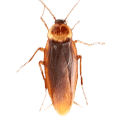
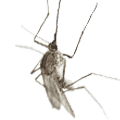
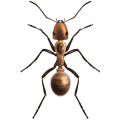
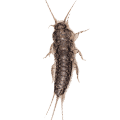

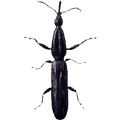
A pet store in Times Square Center had a German cockroach problem in their grooming area. The grooming room shares a wall with the live-aquatics section. The previous pest contractor walked in on a Tuesday afternoon, sprayed a pyrethrin-based aerosol along the baseboards, and left. By Wednesday morning eleven discus fish in the display tank closest to the shared wall were dead, two arowana were stressed and refusing to eat, and the store manager was filing an insurance claim against the pest contractor.
That's pet store pest control done wrong. Pyrethrins and synthetic pyrethroids are highly toxic to fish and most reptiles. They become airborne via aerosol, settle on water surfaces and skin, and a properly stocked aquatics section can lose AED 40,000 of livestock from a single misjudged treatment.
This post is about what pet retail pest control actually requires — chemical-class restrictions you don't see in regular F&B work, lockable bait station protocols around live animals, and why off-the-shelf "pet-safe" claims often aren't.
Why pet retail is its own pest control category
Three things separate pet retail from any other commercial vertical:
Live invertebrates and aquatics are unusually chemical-sensitive. Fish, reptiles, amphibians and aquatic invertebrates absorb chemicals through gill or skin contact at orders of magnitude lower exposure than mammals or birds. Pyrethroids that are fine to use in a restaurant kitchen are lethal in a fish-stocked retail floor. Imidacloprid (commonly used as a residual indoor spray) has documented lethality to coral, freshwater shrimp and certain reptile species at sub-ppb water concentrations.
Stock turnover is constant and the chemical exposure window is permanent. Restaurants close. Pet stores don't really — and even outside opening hours, the live stock continues to breathe, drink and absorb whatever is in the air. There's no quiet evening when residual chemistry can be applied safely.
The customer demographic is highly chemical-aware. Pet retail customers tend to know what's toxic to their species. They notice if they smell pyrethrin in the bird-section aisle. They Google it. They post about it. Reputational risk is high.
Chemicals we don't use in UAE pet retail
This is the chemical-class blacklist for pet store treatment. None of these are inherently illegal, all are on the DM-approved list for general use, but they're inappropriate around live animal stock:
- Synthetic pyrethroids (cypermethrin, deltamethrin, lambda-cyhalothrin) — highly toxic to fish and aquatic invertebrates, moderate toxicity to reptiles.
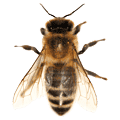
- Pyrethrins (natural pyrethrum extract) — fish-toxic at very low concentrations, also harmful to bees in pet/garden retail crossover stores.
- Organophosphates (chlorpyrifos, malathion) — broad mammalian and avian neurotoxicity. Avoid entirely.
- Anticoagulant rodenticides (brodifacoum, bromadiolone) in unsecured placement — secondary poisoning risk if accidentally consumed by pet stock or escaped feeder rodents.
- Sulfuryl fluoride fumigation — full evacuation required, no live animal stock can remain on premises.
- Aerosol fogging of any kind — spreads particles across all stock zones uncontrollably.
What this leaves: a fairly narrow chemistry kit that we can deploy with confidence.
What we actually use
The DM-approved subset suitable for pet retail:
- Boric acid 5% gel and granular — safe for mammals and birds at incidental exposure, low aquatic toxicity, classic cockroach and ant bait. Used in lockable bait stations only, away from any live-animal access.
- Hydramethylnon 0.9-2.15% gel-bait — slow-acting, low non-target toxicity, used in concealed cracks and equipment voids out of stock reach.
- Indoxacarb 0.6% gel — bioactivated only inside insect gut; very low non-target risk. Excellent for cockroach trails near aquariums.
- Diatomaceous earth (food-grade) — mechanical kill via dehydration; safe around birds, reptiles, mammals. Used in dry storage and feed-store sub-zones.
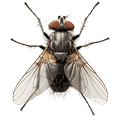
- Bacillus thuringiensis for fly and gnat control near substrate displays — biological, fully fish/reptile/bird-safe.
- Snap traps and live-capture traps — primary rodent control. No anticoagulant baits inside the retail floor.
When we need adulticide treatment for severe insect infestation, we work in zones where live stock has been temporarily relocated, perform treatment with thorough ventilation, and re-stock only after surface residue testing confirms safety. This adds 24-48 hours per zone but is non-negotiable.
Zone-by-zone protocol for a UAE pet store
A typical UAE pet retail floor (Pet's Delight, The Pet Shop, Pet Mart, etc.) breaks into five zones:
Zone 1: Aquatics. Tropical and marine fish tanks, freshwater shrimp, live coral. Chemical-sensitive. Treatment here is mechanical only — physical barrier maintenance, sticky monitors for flying insects, drain biocide for tank-water sumps. No spraying within 3 metres.
Zone 2: Reptiles and amphibians. Glass terrariums with substrates, heating elements, water bowls. Vapours from any chemical treatment travel into terrarium air. Treatment: lockable bait stations only, sealed at the wall-floor interface to keep cockroaches out without chemical residue.
Zone 3: Birds. Cages with seed and water dishes. Birds are particularly sensitive to airborne ammonia and any volatile pesticide. Treatment: monitoring traps, mechanical exclusion, no chemical within the bird zone.
Zone 4: Small mammals (rabbits, guinea pigs, hamsters, ferrets). Higher mammalian tolerance for some baits but still cautious. Lockable bait stations behind display fixtures, never inside hutches or near bedding storage.
Zone 5: Dry goods and feed. Highest-risk zone for stored-product pests (Indian meal moth, warehouse beetle, grain weevil). Pheromone monitoring, FIFO stock rotation, food-grade diatomaceous earth in shelf seams, no chemical residual on packaging.
The grooming area and back-of-house treat as standard commercial — but with vapour-isolation between grooming and the retail floor, treatments scheduled outside opening hours, and ventilation protocols that prevent chemical drift into stock zones.
What the DM IPM file looks like for pet retail
The pest control logbook for a pet store needs more than the standard template. We add:
- A floor-plan diagram with chemical-restriction zones colour-coded
- Per-zone product list (what's allowed, what's prohibited)
- Live-stock inventory at time of treatment (so an inspector can verify our applied chemistry was appropriate to the stock present)
- Animal-welfare incident log (any stock health changes following treatment)
- Insurance policy reference for the pest control contractor's liability cover (some malls require this for pet retail tenants)
Inspections in pet retail tend to focus more on chemical appropriateness than on pest counts. A cockroach in a pet store is bad, but a dead arowana from inappropriate spraying is much worse from a regulatory and reputational standpoint.
Real annual contract costs
| Store type | Indicative annual IPM contract |
|---|---|
| Small specialty pet store (~80-150 m²) | AED 5,500-8,500 |
| Mid-size pet retailer with grooming (~200-350 m²) | AED 8,500-13,500 |
| Large multi-section pet retailer with aquatics (~400-700 m²) | AED 13,500-22,000 |
| Pet retail with veterinary clinic on-site | AED 16,000-26,000 |
Includes monthly visits, zone-specific treatment protocols, animal-welfare-aware chemical selection, and emergency callout. Excludes any major remediation requiring temporary stock relocation.
For neighbouring commercial verticals see our veterinary clinic post, nursery/preschool chemical safety post and salon/spa post — three other contexts where chemical sensitivity drives the protocol.
What store managers should ask any pest contractor
Three questions to vet pet-retail experience:
1. "Show me the chemical kit you'd bring to a treatment visit." A contractor who can't articulate a pet-retail-specific kit is going to use whatever's in the truck. That's the danger.
2. "How do you handle the aquatics section?" Mechanical-only is the right answer. If you hear "we use a low-toxicity spray" at any distance, decline.
3. "What's your liability cover for livestock loss?" A reputable pest contractor working pet retail carries professional indemnity that covers chemical-error livestock loss. Most don't. Confirm in writing before signing.
FAQ
Q: Can we use ultrasonic pest repellers as our primary pest control?
No. Ultrasonic devices have minimal evidence of efficacy against cockroaches, ants or rodents. They may stress some pet species (we have anecdotal reports of small mammals showing avoidance behaviour). Skip them.
Q: What about treating customer pets that come in for grooming and bring fleas?
Different category — that's veterinary topical treatment on the animal, not premises pest control. Your vet partner handles those products. Our scope is the building, not the patients.
Q: We have a recurring drain fly problem near the aquatics area. Why?
Aquatics section drains carry dilute aquarium water with bacterial film and biological waste. Drain flies breed there. Solution: weekly enzymatic biocide flush of the drain (operator-managed) plus monthly mechanical cleaning. Chemical drain treatment near aquariums is not used — overflow risk into tank sumps.
Q: Can we get an animal-welfare audit alongside pest control?
Some of our clients combine the visit with a hygiene-and-welfare review delivered by a separate vet partner. Useful for chain compliance reporting. Ask us to coordinate.
If you operate a pet retail location in the UAE and your current pest control contract doesn't have explicit livestock-safety chemistry protocols, request a chemical-restriction audit. We'll walk the floor with the store manager, identify any inappropriate residual treatments from the current contractor, and quote a programme aligned with the live stock you actually carry.
Tags
Written by
Maria Fernandez, Commercial Accounts Lead
PestSwift technicians and entomologists publish field-tested pest control guidance for UAE homes and businesses.