












March 12th, the Saturday before the first night of Ramadan, our phone runs hot from 06:00. Restaurant managers in JLT, Al Wasl, Karama, Mirdif, every cluster — same conversation. "We've got cockroaches showing up in the prep area, can you come today?"
We can. We'd rather have come three weeks earlier.
Ramadan changes the operational profile of every kitchen in the UAE. Restaurants run double shifts. Households cook from 03:30 sehri prep through to 23:00 cleanup. Catering halls handle iftar buffets for 200 guests every day for thirty days straight. Pest populations respond to that pressure exactly as you'd expect: they get bigger, faster.
The pre-Shaaban week — the week before the holy month begins — is the highest-leverage pest control window in the UAE calendar. Treating then is roughly four times more effective than treating during the first ten days of Ramadan, because you're hitting the population before it has access to the abundance.
Why pest pressure rises so sharply in Ramadan
Four drivers compound.
Extended cooking windows. A typical UAE restaurant kitchen runs 14 to 16 hours during normal months. Ramadan pushes this to 20 hours. The walk-in fridge is opened more often, the prep counter wipe-down happens later, and the cleaning crew arrives at 02:00 instead of midnight. German cockroaches, drain flies, and ants exploit every minute the kitchen isn't actively cleaned.
Increased food volume. A restaurant doing 80 covers a night switches to 220 covers during iftar service plus a 60-cover suhoor. The prep volumes triple. Spilled flour, dropped vegetable trim, and dishwasher overflow all multiply.
Sehri snack stations. Catering operators set up overnight stations for hotel guests. These are intermittently staffed buffets at 02:00 to 04:00, which is exactly when Periplaneta americana and Blattella germanica are most active. We've seen cockroach populations triple in catering halls between week one and week three of Ramadan when no extra control is in place.
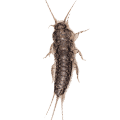
Residential cooking surge. UAE villas and apartments cook far more during Ramadan. Family iftars, neighbour gatherings, expanded fridges and pantries. Ant and silverfish problems that were dormant become active.
What pre-Shaaban treatment actually involves
For a restaurant or commercial kitchen, the right window is 5 to 10 days before the first night of Ramadan. The treatment is not the standard monthly visit — it's a deeper protocol designed to suppress the population to its lowest possible baseline before the demand surge.
Our pre-Ramadan restaurant protocol covers:
- Full kitchen exclusion check. Loading bay door seal, drain cover gaps, ventilation hood mesh integrity, refrigerator gasket condition. Anything broken gets noted for FM repair.
- Gel-bait deep deployment. Twice the placement density of a standard service. Behind every appliance, inside cooker hood housings, along refrigeration motor bays.
- IGR fogging in non-food-contact zones. Insect growth regulator (methoprene or pyriproxyfen) applied in service corridors, dishwasher service rooms, dry storage. Doesn't kill adults; prevents reproduction. Effect compounds across the month.
- Drain treatment. Bio-enzyme drain cleaner applied to all kitchen floor drains and grease traps. Reduces drain fly breeding. Repeated weekly through Ramadan.
- Trap monitoring deployment. Glue boards and pheromone traps for cockroaches and stored-product moths in dry storage. Read weekly.
The whole protocol takes 2 to 3 hours for a mid-size restaurant kitchen. AED 800 to AED 1,800 depending on kitchen size and existing AMC structure. For an existing AMC client, it's the standard March visit billed at the regular rate.
Residential pre-Ramadan kitchen prep
For a UAE villa or apartment kitchen, the pre-Ramadan prep is simpler. The big lift is on the homeowner side; the technician role is supportive.
What to do yourself in the last week of Shaaban:
- Empty and wipe the pantry. Discard any flour, rice, oats, or pulses that have been open longer than three months. Stored-product moths and weevils breed inside packaging. Transferring to airtight containers helps but doesn't fix existing infestation.
- Clean the fridge gasket and the underside of the freezer compartment. Two zones cockroaches habitually exploit.
- Inspect under-sink plumbing. Tighten loose joints, replace dried washers. The under-sink cabinet is the single most common cockroach harborage in UAE kitchens.
- Clear the AC condensate drain. Standing water near the drain pan breeds drain flies. Five minutes of cleaning saves a callback in week two of Ramadan.
What we do as a follow-on:
- Targeted gel-bait placement at the four classic harborage points (under sink, behind fridge, inside dishwasher motor cavity, inside cooker hood).
- Crack-and-crevice residual along skirting in pantry and behind appliances.
- Quick pre-Ramadan inspection of any villa kitchen on an existing AMC — usually scheduled in the last week of Shaaban as a no-additional-cost visit for AMC clients.
For a one-off pre-Ramadan kitchen treatment without an AMC, AED 280 to AED 450 covers a 3-bed villa kitchen.
Why DM inspections rise in Ramadan
Dubai Municipality runs an enhanced inspection cycle through Ramadan, particularly on F&B establishments. Inspectors visit unannounced, focus on kitchen pest evidence (live roaches, droppings, fly numbers), and issue findings against the standard checklist with reduced tolerance for repeat issues.
The practical consequences for a restaurant operator:
- A finding mid-Ramadan that requires a 14-day re-inspection effectively means lost peak-season revenue.
- A repeat finding triggers fee escalation and potential closure orders.
- Documented pest control with current chemical SDS available reduces inspection time by half.
If your last DM inspection had any pest-related observation, the pre-Shaaban window is when to address it.
Iftar buffet and catering hall specifics
Open buffet service is high-risk. Hot dishes hold for an hour at temperature, then sit at room temperature for another two. Drosophila and Musca domestica see warm protein and sugar surfaces and recruit fast.
The controls that work:
- Electronic fly killers (EFKs) at the catering hall entrances and back-of-house pass-through doors. Replace UV tubes annually before Ramadan.
- Strict hot-hold and cold-hold timing on the buffet chafer line. Cold dish replacement every 90 minutes; hot dish replacement every 2 hours regardless of remaining quantity.
- Daily deep clean of the buffet pass-through corridor and the carving station — surfaces that accumulate spillage faster than the regular cleaning cycle catches.
For a catering operator running 200-cover iftars, the EFK servicing and cleaning cycle is the operational layer; the pest control AMC is the chemical and monitoring layer. Both have to be tight.
Frequently asked questions
Should I increase pest control frequency during Ramadan or just do the pre-Ramadan treatment?
For most restaurants, weekly visits during Ramadan plus the pre-Shaaban deep treatment is the right combination. Bi-weekly works if your kitchen baseline is exceptionally clean. For catering halls running daily 200-cover iftars, twice-weekly is standard.
Can pest control happen during iftar or sehri service?
No. Chemical applications can't happen with food preparation active or guests present. Service windows are typically 02:00 to 05:00 (post-cleanup, pre-sehri prep) or 11:00 to 15:00 (between iftar and pre-prep). Your AMC contractor should book against your operational schedule, not theirs.
Are the chemicals used during Ramadan different to the rest of the year?
The chemistries are the same — Dubai Municipality's approved list applies year-round. What changes is application timing, placement (avoiding any food-contact surface during service hours), and the use of growth regulators that suppress reproduction without affecting active adults visible to staff or guests.
My villa has had no pest problems all year — do I need pre-Ramadan treatment?
If your villa has no current pest signs and you're maintaining a normal cooking pattern, a full pre-Ramadan treatment is over-spec. A walk-through inspection (AED 200) confirms the baseline. Most clean villas don't need more than that.
Get the pre-Shaaban window booked
We pre-schedule pre-Ramadan visits in early Shaaban for AMC clients automatically. Non-AMC restaurants and households can book the protocol on a one-off basis through to the last weekday before Ramadan begins. After that the calendar gets full and we end up doing reactive visits during the holy month rather than preventive ones.
Book a pre-Ramadan inspection and tell us your kitchen type and size. The HACCP restaurant pest control post goes deeper on F&B compliance, and the drain fly food court post covers the iftar-buffet drain issue specifically. Residential readers should also see creating a pest-free villa kitchen guidance in our service overview.
Tags
Written by
Rashid Al Mansoori, Operations Manager
PestSwift technicians and entomologists publish field-tested pest control guidance for UAE homes and businesses.