



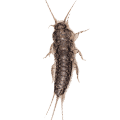
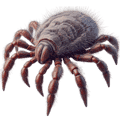
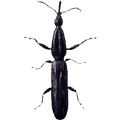
Five days. That's the typical Eid Al Adha shutdown window at a UAE labour accommodation block — Eid Day 1 through to the first working day after the long weekend. Most residents are off-site (visiting family in their home country, performing Hajj, or staying with friends). The shared kitchen sits unused. Waste from the pre-Eid meat preparations is partly cleaned, partly not. Ambient inside the kitchen reaches 40°C+ during the day with the doors closed. The food-waste bin behind the block hasn't been emptied since Day 1 of Eid.
By Day 6, when residents return, the kitchen is a maggot and cockroach situation that has a 48-hour treatment window before Dubai Municipality's post-holiday inspection cycle kicks in.
This is one of the most predictable commercial pest control events in the UAE calendar, and yet it catches operators off guard every year. Today is Day 2 of Eid Al Adha 2026 — if you operate a labour accommodation, this is the post you needed yesterday.
The biology of a 5-day kitchen shutdown in summer
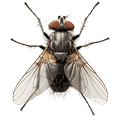
Musca domestica (the common house fly) lays 75 to 150 eggs per batch, with multiple batches per female. On exposed meat scraps at 35 to 40°C, eggs hatch in 8 to 20 hours. First-instar larvae (maggots) reach third-instar within 4 to 5 days. By Day 5 of an Eid shutdown a single fly that arrived on Day 1 has produced a generation of mature larvae numbering in the hundreds.
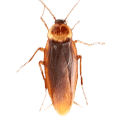
German cockroach (Blattella germanica) populations in the kitchen voids — already established as a baseline in most labour camp kitchens — accelerate breeding under the warm-humid conditions of an unventilated closed-up kitchen with food residues. Foraging activity is constant (no human disturbance), and ootheca production by mated females runs near the species maximum (one ootheca every 3 to 4 weeks under good conditions).
Sarcophagid (flesh fly) and Calliphorid (blow fly) species, which are uncommon in normal occupied conditions, become significant during shutdown — both species are attracted specifically to meat protein and complete their larval development on it within 3 to 5 days at UAE summer temperatures.
Add the standard rat and mouse pressure that any food-handling environment carries year-round, and you have a perfect storm in a closed warm kitchen.
The Hajj returnee bed bug vector
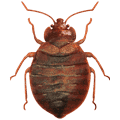
Hajj pilgrims returning to UAE labour accommodations bring bed bugs back roughly 15 to 25% of the time, in our experience auditing post-Hajj infestation reports across our commercial accounts. The reason is structural: Hajj accommodation in Mina and Mecca operates at extremely high turnover and density, with bedding cycled between guests faster than full mattress encasement protocols allow. A returning pilgrim's suitcase and personal items frequently carry adult bed bugs or eggs.
The dorm-room infestation pattern that follows is predictable. Within 4 to 6 weeks of return, dorm-mates of the affected returnee begin reporting bites. By 12 weeks the entire dorm block (typically 6 to 12 men sharing a room, 8 to 20 rooms sharing a corridor) shows activity.
Proactive screening of returning pilgrims' belongings — a 15-minute visual inspection at the dorm-room door, with optional luggage heat-treatment in a portable box — prevents the cascade. Operators who run this screening as a returning-Hajj protocol see almost no post-Hajj bed bug surge. Operators who don't, see one every year.
The 48-hour post-Eid kitchen protocol
This is the work that should ideally happen between the end of Day 5 of the Eid shutdown and the start of Day 7. The window matters because:
- DM and Tadweer typically run accelerated post-holiday compliance inspections of commercial food-handling premises between Day 7 and Day 14 of the post-Eid period
- The maggot population in the food-waste bin reaches mature-larvae stage around Day 5 to 7 — treatment then prevents the next fly generation; treatment later catches the next generation already emerging
- Returning workers want to use the kitchen Day 6 onward, and a fly-and-cockroach infested kitchen will produce internal complaints fast
Step 1 — shared kitchen deep flush (4 hours)
Full-shutdown of the kitchen. Remove all stored food from open shelving. Empty the deep fryer if there is one, drain and degrease. Clear the sink U-bend and any visible drain accumulation. Decant the cleaning cupboard.
High-pressure hot-water wash all surfaces, with degreasing agent. Particular attention to the area under the cooker, behind the fridge, inside the dishwasher cavity if there is one, and along the wall-floor junction.
Clear the food-waste bin entirely. Hose down the bin store. Apply residual to the bin store walls and floor.
Step 2 — drain treatment (1 hour)
Every floor drain and sink drain gets a foaming drain cleaner that physically removes the biofilm coating the inside of the pipe. Drain biofilm is the most under-addressed harborage in a labour camp kitchen — it supports both fly larva attachment and small-cockroach refuge.
Follow with a residual drain treatment (pyrethroid-based, registered for drain use) to a depth of about 30 cm inside the pipe.
Step 3 — gel-bait deployment (45 minutes)
Hydramethylnon-based gel-bait in 0.5 g dots placed at the standard German cockroach harborages: behind the kickplate of every cabinet, along the underside of the cooker hood, around the dishwasher motor cavity if present, under the sink rim, in the corners above the cabinet doors.
Flat tray of fipronil-based fly bait (the granular form, not the gel) placed in the bin store and along the kitchen window sills where flies congregate during daylight.
Step 4 — dorm-room bed bug visual inspection (45 minutes per 10 dorm rooms)
Quick visual inspection of every dorm room used by a returning Hajj pilgrim. Bed frame head-to-side-rail joint cavities, mattress piping seams, the wall-to-skirting crevice along the head of the bed. Any positive find triggers a heat-treatment job for that room.
For blocks with 20+ returning pilgrims, we run a continuous inspection schedule across 2 to 4 days post-return rather than a single-day sweep.
Step 5 — documentation
Full treatment record, technician card numbers, chemical batch numbers, before-and-after photographs of the kitchen and bin store, treatment certificate filed with the operator's DM-required pest log book. The DM inspection cycle, when it arrives, wants to see the log book. A clean log book with a properly executed post-Eid entry typically closes the inspection in a single visit.
Cost
For a 200-bed labour camp block with one shared kitchen and two dorm corridors, the post-Eid protocol runs AED 4,500 to 8,000 for the kitchen plus general dorm inspection. Add AED 350 to 650 per confirmed bed bug dorm room for heat treatment.
For a 600-bed multi-block camp with three shared kitchens, the figure runs AED 9,500 to 14,000 for the coordinated post-Eid sweep.
Operators on an annual maintenance contract (which most professionally managed labour camps maintain) get the post-Eid sweep included as part of the contract's seasonal protocol coverage, at no additional cost. For operators without an AMC, the post-Eid one-off is essentially the highest-cost single pest event of the year, and an AMC will pay for itself in two seasons.
What does not work
Spraying the kitchen with broad-spectrum residual as the primary intervention. The flies and cockroaches that arrived during the shutdown are the visible symptom; the food-residue substrate is the cause. Spraying without the deep-flush deals with the symptom and the same situation recurs the next time the kitchen sits unused for a long weekend.
Ignoring the bin store. The bin store is the actual fly hatchery during the shutdown. Treating only the kitchen and leaving the bin store full is starting a second cycle while ending the first.
Treating after the DM inspection has flagged a problem. The remediation work post-inspection is significantly more expensive and operationally disruptive than the proactive 48-hour sweep, and the inspection finding stays on the camp's compliance record.
Assuming the cleaner does enough. Standard cleaning is a maintenance activity. Post-Eid recovery is a pest control activity. They are different operations using different chemistry and different protocols.
FAQ
Do labour camps need extra pest control during Eid Al Adha?
Yes — every UAE labour accommodation should have a post-Eid 48-hour pest sweep built into its operational calendar. The combination of meat-handling residues, 5-day shutdown, summer ambient temperature and shared kitchen infrastructure produces predictable infestation. Treating proactively in the 48-hour window after the shutdown ends is dramatically cheaper than dealing with the infestation a week or two later.
How do you clean up after Eid meat-handling in a shared labour camp kitchen?
Full deep-flush of the kitchen (high-pressure hot-water wash with degreaser, drain treatment, bin-store clearance), followed by gel-bait deployment at the standard cockroach harborages and fly-bait placement in the bin store and along window sills. Cleaning alone is necessary but not sufficient — without the pest control layer, the surviving fly population from the bin store re-establishes within days.
Does Dubai Municipality inspect labour accommodation kitchens after Eid?
DM and Tadweer (in AD) typically run accelerated post-holiday compliance inspections of commercial food-handling premises in the 7 to 14 day window following major holidays including Eid Al Adha. Operators with a current pest control log book and documented post-Eid treatment certificate generally close the inspection in a single visit. Operators without face follow-up visits and, in worst cases, partial occupancy restrictions.
How do I stop returning Hajj pilgrims bringing bed bugs into the camp?
Run a returning-Hajj bedding inspection protocol: 15-minute visual luggage and bedding check at the dorm-room door, ideally with an optional portable heat-box treatment for any luggage that's been in shared-bedding accommodation in Mecca or Mina. The protocol is straightforward, takes 15 minutes per returnee, and prevents a multi-room dorm-block infestation that would cost AED 6,000 to 15,000 to clear three months later. Operators with formal returning-Hajj protocols rarely see post-Hajj bed bug surges. For more on the bed bug treatment side, see our hotel bed bug heat treatment UAE guide.
If you operate a labour camp and you haven't yet booked your post-Eid sweep, request a same-day call. For broader commercial context, see our labour accommodation pest control Dubai and pre-Eid Al Adha pest control UAE villa guides.
Tags
Written by
Maria Fernandez, Commercial Accounts Lead
PestSwift technicians and entomologists publish field-tested pest control guidance for UAE homes and businesses.