

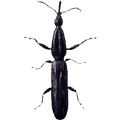
Pharaoh ants — the tiny yellow ones — do not behave like the black ants people grew up swatting. Spray them with anything off-the-shelf and the colony does not die, it splits. Two satellite colonies in two days, four in a week, and the trail that was in one corner of the kitchen is suddenly in three rooms. This is called budding, and it is exactly why ant complaints in Al Khawaneej almost always start the sentence with 'I keep treating it but it keeps coming back.'
Al Khawaneej villa stock has the right ingredients for ants. Big plots, irrigation lines running under landscaped beds, mature trees, fruit trees in many gardens, and a kitchen-to-garden geography that is rarely sealed at the back-of-house level. The ants in your kitchen at 9pm are running a foraging route from a nest under the patio slab, into the cabinet riser, and up to your bin lid.
ID first, treatment second
The three most common villa kitchen ants in Al Khawaneej, in our records:
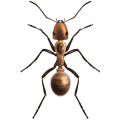
Pharaoh ant (Monomorium pharaonis). 1.5–2mm. Pale yellow to amber, single-node petiole. Lives indoors year-round in AC'd UAE villas because they cannot survive the outdoor summer. Multiple queens per colony, splits when stressed.
Ghost ant (Tapinoma melanocephalum). 1.3–1.5mm. Pale legs and abdomen, dark head. Even smaller and harder to track. Same multi-queen, splitting behaviour as pharaoh.
Pavement ant (Tetramorium). 3mm. Darker, two-node petiole. Outdoor nester, indoor forager. Easier to treat — single-queen colonies usually do not split under chemical pressure.
If you can squash the ant on a white piece of kitchen roll and it leaves a yellow-brown smear with no scent — pharaoh. If you squash and get a coconut-suntan-cream smell — odorous house ant, which is rare in Dubai but does show up. If the ant is the size of a sesame seed and dark — pavement ant.
The difference matters because pharaoh and ghost get worse with sprays. Pavement does not. We see homeowners use the same can on every ant and wonder why the small yellow ones laughed at it.
The garden-to-kitchen route
A standard Al Khawaneej villa has the kitchen on the ground floor with the bin store directly off it, and a paved patio outside that. Under the patio there is sand. The drip-irrigation line for the planter against the boundary wall runs through that sand. The drip emitters keep the sand moist year-round. Moist sand, AC'd kitchen, sugar source three metres away — that is paradise.
We find pharaoh colonies under the patio slab, under the outdoor utility room threshold, behind the pool-pump housing, and inside the wall cavity where the kitchen plumbing penetrates the back wall. The visible trail is the last 1.5 metres of a much longer route.
The entry points are predictable:
- Kitchen plumbing penetrations (sink, dishwasher, washing machine).
- The threshold of the door from the kitchen to the back service yard.
- AC duct penetrations through the soffit.
- Tile grout cracks at the floor-to-skirting joint, especially around the bin store.
Seal the entry points only after the colony is dead. Sealing first traps the ants inside and forces them deeper into the wall void.
The slow-bait protocol
For pharaoh and ghost ants, PestSwift uses a two-bait approach. One sugar-based bait (typically a borate or thiamethoxam in a sugar gel) and one protein-based bait (hydramethylnon or fipronil in a protein matrix). Pharaoh foragers switch between sugar and protein based on what the colony needs. Offer both, they take both back, the queen eats both.
Application is dot-style — small drops every 30–50cm along the active trail, never a line. A line of bait dries out. Twenty dots stay attractive for days. We do not apply it where you can see it from the dining table; we put it inside cabinet hinges, under the toe-kick, along the back of the bin enclosure, and around the plumbing risers.
Day 0:
- Walk the trail with you, identify entry points and likely nest area.
- ID confirmation on a piece of white paper.
- Bait placed at 25–40 points across the kitchen and the wall-cavity entry side.
- Outdoor: granular bait around the patio perimeter and into the irrigation-bed sand. We use a granular indoxacarb or fipronil bait, sprinkled into the planter beds where the ants are nesting.
- We tell you not to clean the cabinets for ten days. Do not spray anything. Do not move the bait. If the cat or the kids will reach it, we use child-resistant bait stations instead of dots.
Day 3–7:
- The trail looks worse. More ants on the bait than before. This is correct. They are taking it home.
Day 10–14:
- Trail visibly thinner. Often gone.
- PestSwift follow-up visit: top up the bait that has been consumed, place new bait at any new entry point, check the outdoor source.
Day 21–28:
- If anything is still moving, we apply a non-repellent residual (fipronil) to the perimeter only — not where the bait is — and add an IGR for nymph suppression.
Most Al Khawaneej villas are quiet at Day 14. The ones that are not usually have a second source — often the outdoor majlis, the BBQ area, or a second drip line under a planter we did not catch first pass.
What it costs
A single Al Khawaneej villa kitchen + outdoor patio treatment with the two-pass bait protocol is AED 400–650, with one free callback inside 60 days. If the villa has a separate maid's kitchen or a second prep area, add AED 100–150.
If this is the third time you have called a pest control company in a year, you should be on an annual plan. PestSwift's annual maintenance contract for villas includes quarterly ant rounds, the irrigation-bed inspection, and unlimited callbacks between visits.
What homeowners get wrong
- Spraying the trail. This is the single biggest mistake. Pyrethroid sprays repel pharaoh ants and trigger budding. The colony you had today is two colonies tomorrow.
- Wiping the trail with bleach. Same problem. Removes the pheromone, the colony lays a new one within hours, often through a different entry point that is now harder for us to find.
- Putting boric acid powder on the trail. Works on some ants, not these. Pharaoh foragers walk around it.
- Sealing the entry hole before treating. Drives them further into the wall.
What to do instead, while you wait for us: leave the trail alone, take photos of where it enters and exits, and do not put food away in the bin until we have placed the perimeter bait.
FAQ
Why do these tiny ants only show up at night?
They forage 24/7 but you notice them more in the evening because the kitchen surface is cooler and quieter. They are also coming for water as much as sugar — a single drop on the worktop is enough to draw a trail.
Can I keep using my regular kitchen cleaner during treatment?
Yes, away from the bait points. Avoid bleach or strong solvents around the bait dots themselves — we will mark each one with a small dot of marker so you can see them.
Why are pharaoh ants dangerous in a villa with babies or elderly residents?
Pharaoh ants carry bacteria and have been documented in hospital settings as cross-contaminators. For a normal villa that is rarely an issue, but it is the reason hospitals treat pharaoh ant infestations urgently. If you have an immunocompromised resident, do not delay treatment and avoid the spray-can approach entirely.
Are these the same ants causing damage to my villa garden?
Probably not — garden damage in Al Khawaneej is usually termites (which need a separate treatment, see our Al Khawaneej termite protocol) or red palm weevil on date palms. Pharaoh ants don't damage structures; they just take over your kitchen.
If you have been spraying every weekend and the tiny yellow ants are still on the worktop, book a free inspection. We will ID the species in ten minutes and tell you the right protocol before we quote.
Tags
Written by
Dr. Karim El-Sayed, Lead Entomologist
PestSwift technicians and entomologists publish field-tested pest control guidance for UAE homes and businesses.