



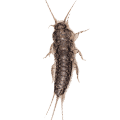

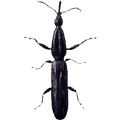
Open the under-sink cabinet of any Persia cluster studio at 11 PM, switch on the kitchen light, and watch the German cockroaches scatter for the wall void around the drain pipe. That's the population you can see. The population you can't see is up the riser, in the next stair, behind the building's single shared garbage chute. International City's cluster format makes it more or less the worst-designed building stock in Dubai for German cockroach control.
ServiceMarket's pest density report has flagged International City in the top three areas of Dubai for cockroach service requests for years running. After roughly 200 jobs in the community, I'd say that's accurate but the headline misses the mechanism. The bug isn't worse here. The plumbing is.
If you live in International City and you've been losing the cockroach fight, this guide explains why one-apartment treatment fails, which clusters are worst, and what an actual fix involves.
What you're actually fighting
Two species dominate International City buildings:
- German cockroach (Blattella germanica) — small (12–15 mm), pale brown, two dark stripes on the pronotum. Lives in voids near food and warmth: under-sink cabinets, dishwasher motor cavities, refrigerator compressors, microwave bases. Reproduces ferociously: a single egg case (ootheca) carries 30–48 nymphs, and a female produces 4–8 oothecae over her lifetime. This is your kitchen-cabinet bug. Population doubles every 4–6 weeks under good conditions.
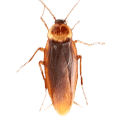
- American cockroach (Periplaneta americana) — large (30–40 mm), reddish-brown, the one that flies at you when you open the garbage room door. Lives in damp common areas: garbage rooms, basement plant rooms, drainage chambers, the inside of the building's central garbage chute. Slower reproduction, larger individual range — the one running across your kitchen floor at 2 AM mostly comes from outside the apartment.
The two species need different treatments. Confusing them is the most common mistake we see DIY treatments make.
Cluster-by-cluster reality
International City is themed by country — England, France, Italy, Spain, Greece, Morocco, Russia, Persia, China — built in phases between 2003 and roughly 2013. The clusters are not equivalent in pest pressure.
- China cluster. Heaviest pressure in our experience. Dense ground-floor F&B with a high turnover of small restaurants, near-continuous garbage cycle, a single chute per stair core servicing 30+ apartments, original 2003-era plumbing. Almost every job here is German cockroach in kitchens plus American cockroach in stair common areas.
- Persia cluster. Similar density to China but with a slightly newer building stock. Persistent German cockroach pressure tied to ground-floor restaurants. Mid-floor units at the riser intersection see the worst of it.
- Morocco and Greece. Mid-tier. Ground-floor F&B is lighter. Pressure concentrated on units adjacent to the garbage chute. Whole-cluster treatment cycles work well here.
- Spain, France, Italy. Lighter pressure. Newer construction phases, better-sealed risers. Most jobs here are localised to a single apartment, often traceable to a recent move-in or a specific tenant's hygiene issue.
- England and Russia. Variable. England is older and similar to China-cluster pressure on the original blocks. Russia is newer and behaves more like Spain.
If you're considering moving into International City, asking the landlord which cluster, which stair, and how close the unit is to the garbage chute is more predictive of your future cockroach experience than any photo of the kitchen.
Why one-apartment treatment fails
A standard residential cockroach job in a Marina or JBR apartment treats the kitchen voids, the bathroom drains, and the stack of wall cavities, and it works because the unit is essentially sealed against neighbours by post-2010 fire-stopping standards.
International City's stair-core risers were built differently. Each stair has:
- A single garbage chute running floor-to-ground, with rubber-flap doors at every floor that fail to seal in 60%+ of buildings I've inspected.
- Shared plumbing risers for kitchen drains, bathroom drains, and chiller water, with pass-through penetrations into individual unit kitchen wall voids.
- Open ground-floor garbage rooms that vent directly into the stair core via a single doorway, often propped open for waste-collection access.
For a German cockroach population, this means the harborage isn't the unit. It's the stair riser. Treat one apartment, you eliminate the population in that unit's kitchen for 2–6 weeks, and then they walk back through the wall void from the next floor's reservoir.
The ground-floor restaurant in a China cluster building is functionally a permanent breeding source. As long as it's there and the chute door doesn't seal, the building's German cockroach population is constantly being topped up.
What actually works at the unit level
When treating one apartment in International City, we treat to suppress for as long as possible, not eliminate. Here's the protocol:
Inspection (free with treatment)
Map the kitchen voids: under-sink cabinet, dishwasher motor cavity, refrigerator coil compartment, microwave/oven cavity, gap behind the cabinet kickplate, gap around the chiller water riser pipe (this is the highway), gap around the kitchen drain stack. Tape sticky monitors at each hot spot for 48 hours pre-treatment to quantify the population.
Gel-bait placement
Hydramethylnon, fipronil, or indoxacarb gel — all on the Dubai Municipality approved list — placed in 0.05 g spots at every void edge. Roughly 25–40 spots per kitchen. We place inside the dishwasher motor cavity behind the panel, inside the fridge compressor housing, behind the kickplate, and inside the wall void at the chiller riser penetration. Residential aerosols you'd buy at Carrefour disturb the population without killing the harborage; gel does the opposite.
Bait works because the worker eats, returns to harborage, dies, and is cannibalised — transferring the active ingredient through the colony. One placement keeps killing for 4–6 weeks if not contaminated by surface cleaning agents. Do not spray cleaning sprays on the bait spots. That's the most common reason a gel treatment 'didn't work'.
Insect growth regulator
Pyriproxyfen or hydroprene in the dishwasher cavity and under-sink void. IGR doesn't kill adults — it prevents nymphs from reaching reproductive maturity. Combined with bait, this collapses a German cockroach population within 6–8 weeks instead of letting survivors rebuild.
Crack and crevice residual at the riser interface
Non-repellent residual (e.g. fipronil emulsifiable concentrate) into the wall void around the kitchen drain stack and the chiller riser penetration. This is your chokepoint against re-immigration from the building riser. We seal the visible portion of the penetration with copper mesh and silicone after the residual has dried — physical exclusion plus chemistry.
Re-inspection at day 21
Monitor counts should be down 80%+ by day 21. If not, re-bait. If yes, schedule the next visit at day 60 (roughly one full breeding cycle).
A standard one-apartment treatment in International City costs AED 320–480 and includes the day-21 re-inspection. Add AED 180–260 for the day-60 maintenance visit if you want sustained suppression.
Whole-stair and whole-building treatment
The real fix in China and Persia clusters is whole-stair-core treatment. We've done it three times in the last year — coordinated with the building's owners or the master leaseholder, single visit treating every unit on the stair plus the garbage chute interior plus the ground-floor restaurant kitchen, in a single afternoon.
Results are categorically different. Monitoring traps in the post-treatment 90 days showed an 85–95% population reduction sustained for the full quarter. One-apartment treatments in the same buildings averaged 30–40% sustained reduction.
Cost for a whole-stair coordination is roughly AED 4,800–7,500 split across units (typically AED 180–280 per apartment) — cheaper per unit than individual treatment, vastly more effective.
If you can rally your stair's tenants and the building owner, do this. We will.
Garbage chute interior treatment
For American cockroach pressure in the stair common areas, the answer isn't kitchen treatment. It's the chute.
The interior of the garbage chute is the single largest American cockroach harborage in the building. Standard treatment:
- Dust formulation (boric acid or amorphous silica + low-residual deltamethrin) blown into the chute interior at the top floor with the rubber flap held open.
- Residual liquid sprayed inside the ground-floor garbage room on walls below 1.5 m.
- Crack-and-crevice gel in the wall voids around the chute door at every floor.
- Repair or replacement of failed rubber flap seals — we coordinate with the building's contractor, not us, but we flag it.
This is a building-management job, not a tenant job. If you've reported visible American cockroaches in the stair to your building, push for chute treatment. It's roughly AED 1,200–2,200 per stair core, treated annually.
Real cost band
From our 2026 International City jobs:
- Studio one-treatment: AED 280–360.
- 1-BR one-treatment: AED 320–480.
- 2-BR one-treatment: AED 420–620.
- One-treatment + 60-day maintenance pair: AED 480–740.
- Quarterly maintenance contract (4 visits/year): AED 1,400–2,200 per year.
- Whole-stair coordinated treatment (12–32 units): AED 180–280 per unit.
You can compare against our Dubai-wide cockroach treatment cost breakdown for benchmarks across other areas.
What you can do this week
- Stop using bug-spray aerosols in the kitchen. They kill 5% of the population, alarm the rest, and contaminate the surfaces gel needs to sit on for the next month.
- Seal the kitchen drain stack penetration. Unscrew the kickplate, look at the wall behind the sink, find the gap where the drain pipe enters the wall — and stuff it with copper mesh and silicone. AED 30 of materials at Ace Hardware.
- Audit the under-sink cabinet — pull everything out, look at the back panel for fecal spotting (small black dots, looks like ground pepper). That's the canary.
- Talk to the watchman about the ground-floor garbage room. Photograph propped-open doors. Building should fix.
- Book a real treatment. Carrefour aerosols are not a treatment.
FAQ
Why is International City so bad for cockroaches?
Not because of the residents — almost every job we do has clean kitchens. It's the building infrastructure. Single shared garbage chutes per stair core, ground-floor F&B in dense clusters, and original-era plumbing risers create a population reservoir outside individual units that constantly re-seeds them. China and Persia clusters are the worst-affected.
Are German or American cockroaches more common in Persia cluster?
German in kitchens, American in stair common areas. Both are present in essentially every building. They behave differently, harbour differently, and need different treatment — see the JLT German cockroach guide for a deeper biology breakdown of the kitchen species.
Does treating one apartment work or do all neighbours need to do it?
One-apartment treatment works for 2–6 weeks of meaningful suppression in a heavily pressured stair core. For sustained control you need either a quarterly maintenance contract (treating the same unit every 60–90 days against re-immigration) or a coordinated stair-level treatment. Whole-stair is dramatically more effective per dirham spent.
How much does cockroach control cost in International City?
AED 280–620 for a single treatment depending on apartment size. Quarterly maintenance contracts run AED 1,400–2,200/year. Whole-stair coordinated treatment averages AED 220 per unit. Beware of AED 99 Carrefour-aerosol-style introductory offers — they spray the kitchen, leave, and the population is back in three weeks.
Living in International City and dealing with cockroaches? Get a quote from PestSwift. We cover every cluster and can usually be on-site within 24 hours.
Tags
Written by
Dr. Karim El-Sayed, Lead Entomologist
PestSwift technicians and entomologists publish field-tested pest control guidance for UAE homes and businesses.