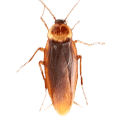




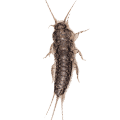

The first call from Al Barsha 1 last September came from a tenant on the seventh floor. Spotless flat. Two-bedroom. Couple in their thirties, no kids. They had been spraying every weekend for six weeks and the German cockroaches kept coming back, smaller every time. By the third visit they had counted 18 nymphs in a single morning.
We didn't spray. We pulled the dishwasher out, popped the kick plate, and lifted the side panel of the cooker. Eighty-three live German cockroaches in the dishwasher motor cavity. Another forty under the cooker. The flat itself wasn't the source. The neighbour two floors down was.
This is the part of cockroach control in Al Barsha that nobody who sells you "monthly spraying" wants to admit: in a mid-rise apartment building, the building is the population, and your unit is just the part of it you can see.
Why Al Barsha buildings amplify cockroach problems
Al Barsha 1, 2 and 3 sit on a grid of mid-rise residential blocks, most built between 2002 and 2014. The newer Al Barsha South towers are different — newer plumbing risers, sealed utility penetrations, generally cleaner. But the older Al Barsha 1 walk-ups and 6-to-12-storey blocks share three structural traits that German cockroaches exploit:
- Common vertical risers behind kitchen and bathroom walls. Hot water, cold water, drainage and sometimes gas all share a chase. Wall penetrations between flats are routinely under-sealed at the slab.
- Shared waste chutes with un-trapped intake ports, especially the older A-typology blocks that still have a single chute per floor.
- Service balconies stacked vertically with cable trays running through them. Once cockroaches get behind the splashback in a 2nd-floor flat, they can move to the 3rd, 4th and 5th in roughly a fortnight.
Add air-conditioned kitchens that hold 24-26°C year-round, generous food access (we are talking about 800-1,200 ft² flats with active cooking), and you have ideal Blattella germanica habitat. A single gravid female lays an ootheca with 30-40 eggs and carries it until 24 hours before hatching. That is unusual and matters. It means almost every adult female you see can become a small colony in two months.
So when a tenant in Al Barsha sees one cockroach, the question is never "how do I kill that one." It is "how many are in this riser, and which neighbours need to coordinate."
What "spraying the kitchen" actually achieves
Pyrethroid surface spray on visible kitchen surfaces kills the cockroaches that walk over the wet film in the next 30 to 90 minutes. After the residual dries, kill rate drops fast. Sub-lethal exposure makes survivors flush deeper into the harborage, and German cockroaches develop behavioural avoidance of treated surfaces within a generation.
Honestly, in a riser-driven Al Barsha infestation, spraying makes the problem worse before it gets better. The visible adults disperse. The harborage colony stays intact. Within 21 days the next nymph cohort emerges — smaller, sometimes lighter in colour, harder to spot — and tenants assume the treatment "almost worked" and book another spray. Six weeks of this and the colony is more spread out, not less.
What we actually do in Al Barsha buildings
Three steps, in this order, and the order matters.
Step 1: Find the harborage. A flashlight, a thin probe, a torch with mirror, and a willingness to dismantle the kitchen for forty minutes. We pull the dishwasher motor cavity. Lift the cooker. Open the sink trap cabinet. Probe the hinge channels of upper cupboards. Trace the AC drain line where it enters the chase. We mark every live-finding spot with a pencil dot — that is where bait goes, not where spray goes.
Step 2: Hydramethylnon or fipronil gel-bait, placed surgically. We use Dubai Municipality-approved formulations — most often hydramethylnon 2.15% or fipronil 0.05% gel — applied as 0.1 to 0.3 g pea-drops directly into the harborage sites. Workers feed, return to the colony, defecate, and die. Other roaches consume the corpses and frass, transferring the active ingredient through the population. This trophallactic and necrophagic transfer is what carries gel into wall voids you can't physically reach.
Step 3: Insect growth regulator (IGR) in voids. Pyriproxyfen or hydroprene injected via fine-tip syringe behind splashbacks and into wall void penetrations. IGRs don't kill adults. They prevent nymphs from moulting into reproductive adults. So even if we miss harborage in the neighbour's flat, any cockroaches travelling into your space hit a hormone-disrupted environment and the population can't sustain itself.
We don't fog. We don't surface-spray the kitchen. We don't ask you to leave for the day. The whole protocol is odourless, family- and pet-safe with normal ventilation, and you can use the kitchen the same evening.
The neighbour problem (and how to actually solve it)
Here is where most Al Barsha cockroach jobs go wrong. We bait Flat 704 perfectly. Three weeks later the population is down 90%. By month two it is back, because Flat 504 has an untreated colony in the kitchen riser and they're walking up.
Two ways forward:
Option A — single-flat, with realistic expectations. We put bait stations in the riser penetrations (under the sink, behind the cooker) and inside the AC drain access. This intercepts re-invasion. Population stays suppressed but you commit to a quarterly maintenance visit. AED 350-500 for the initial treatment in a 2-BR Al Barsha flat, then AED 250-350 per quarter. Suitable if neighbours won't cooperate.
Option B — owners' association coordinated treatment. This is what works. The OA contracts a single licensed company to treat every flat in a stack — say, all 12 flats sharing a single kitchen riser — across two consecutive days. Costs are split across the bill or absorbed under the OA pest budget. We have done four buildings in Al Barsha 1 this way. Re-infestation rates drop near zero for 12-18 months. If you sit on an OA committee and your tower has a recurring cockroach issue, raise this at the next meeting before you spend another year on per-flat callouts.
What Dubai Municipality does and doesn't help with
Dubai Municipality's pest control hotline (800 900) handles outdoor public-health pests — mosquitoes, crows, stray-animal complaints, public-area rodents. Indoor cockroach treatment in private flats is on the resident or the OA, not on DM.
What DM does mandate is that any company spraying chemicals inside your flat must be DM-licensed, must use products from the DM-approved chemical list, and must issue a treatment certificate. If a "AED 99" Instagram-ad pest controller can't show you their DM license number, the chemicals they're using aren't on the approved list, and that is exactly the kind of operator who creates the resistant cockroach populations we end up cleaning up six months later.
Verify any company you hire on the Dubai Municipality approved-pesticides reference and the license verification process.
What it costs in Al Barsha specifically
Real numbers from jobs we've completed in the last six months, all in Al Barsha 1, 2 and 3:
| Property | Initial treatment | 90-day warranty visit | Quarterly maintenance |
|---|---|---|---|
| Studio | AED 250-350 | included | AED 200-280 |
| 1-BR apartment | AED 300-450 | included | AED 220-320 |
| 2-BR apartment | AED 400-550 | included | AED 280-380 |
| 3-BR apartment | AED 500-700 | included | AED 350-480 |
Whole-stack OA work runs AED 1,800-3,200 per floor depending on flat count and severity. For a comparison with a different Dubai cluster, see our International City cockroach breakdown and the JLT German cockroach kitchen post.
FAQ
Q: How long until I stop seeing cockroaches after gel-baiting?
Live activity drops noticeably in 5-7 days as the first wave of bait-fed adults dies. By day 14 you should be seeing single digits per week. Day 28 onward should be near-zero in a single-source flat. If you're still seeing fresh nymphs at week 4, the harborage source is in another flat and you need riser-line bait stations or coordinated OA treatment.
Q: Is it safe with pets and a six-month-old baby?
Yes — gel bait is placed in cracks and voids inaccessible to pets and infants. We use no aerosol, no broadcast spray, no fogging. The IGRs are insect-specific (juvenile hormone analogues) and have decades of family-home safety data behind them.
Q: My neighbour refuses pest control. Can my flat ever be cockroach-free?
Yes, but only with maintained barrier baiting at the riser entry points. Without coordinated treatment, expect to renew bait every 90 days indefinitely. We see this regularly with rented flats where the upstairs unit is on a short-term holiday-home rental and constantly changing tenants.
Q: My building manager says they sprayed the riser already. Why are cockroaches still in my kitchen?
Risers are usually fogged or surface-sprayed once during routine OA pest visits. That kills walking adults but doesn't reach the harborage inside the slab penetrations or the wall voids inside flats. Spraying the riser without baiting the harborage in connected units is theatre, not treatment. We can audit the OA's existing programme if you want a second opinion.
If your Al Barsha cockroach problem has lasted more than two months despite treatment, the population is no longer a single-flat problem. Get a free site visit and we'll show you exactly where the harborage is before we agree to any treatment plan.
Tags
Written by
Dr. Karim El-Sayed, Lead Entomologist
PestSwift technicians and entomologists publish field-tested pest control guidance for UAE homes and businesses.