







You renovated. Two weeks later there are roaches. The renovation is the cause.
Before the renovation: clean kitchen, occasional small ant trail in summer, no roach activity. After the renovation: 20 German cockroaches in the cabinet hinges, droppings inside the cooktop drawer, the small ones (nymphs) running across the counter at 11 PM.
This is not coincidence. The renovation caused the surge. Three specific mechanisms are at work, and once you understand them you can plan around them.
Mechanism one: harborage disruption
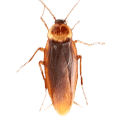
German cockroaches in a Dubai apartment live in voids — wall cavities, the gap behind the kitchen cabinet, the void above a false ceiling. Most apartments have a low-level ambient population — five or ten cockroaches living quietly in voids, never seen, eating crumbs that fall through hairline gaps.
When you open up walls for new electrical conduits, plumbing changes, or to fit a new appliance, you do three things to that population:
- You physically displace them. The wall cavity they were in is now an active worksite. They scatter.
- You destroy harborage while opening new harborage. The gap that used to be 2 mm is now an open conduit. Drilling for cabinet anchors creates new harborage points.
- You stress the population, which triggers reproduction. Cockroaches under stress release more egg cases. Each ootheca contains 30–40 eggs.
Result: a population that was quietly invisible at 10 individuals scatters into the kitchen at 30 visible adults plus several dozen nymphs over the next 21 days as eggs hatch.
Mechanism two: contractor translocation
This one most homeowners don't see coming. Construction crews work multiple sites. Tool bags, stepladders, paint trays, plastic sheeting — they get put down in one apartment, picked up, taken to the next.
German cockroach ootheca (egg cases) are about 8 mm long, dark brown, often glued to the female's abdomen until just before hatching. Females sometimes drop them into crevices in tool bags. The female dies, the egg case stays viable for up to two weeks, the contractor unrolls the tarp in your kitchen, and you've now imported a colony.
We've seen this pattern repeatedly enough that we now ask new clients with renovation timing: did your contractor work on a previous site within the past month? If yes, the contractor is the most likely vector.
This isn't a knock on the contractor's hygiene. It's just biology — cockroach egg cases are designed for transport. The same female pre-renovation in another flat is your post-renovation problem.
Mechanism three: broken seals and drying P-traps
Renovations involve plumbing changes. Even when the contractor does good work, three specific things happen:
- P-traps under sinks get disconnected and re-connected. If a P-trap stays disconnected for more than a few days the trap dries out, removing the water seal that blocks drain-line cockroaches (especially American cockroaches and German cockroaches living deeper in the building stack).
- Floor drains in bathrooms and laundry areas often dry out during renovation when nobody runs water. Same problem.
- Skirting and tile gaps open up during demolition and aren't always re-sealed perfectly during reinstatement. Wall-floor junction is a major harborage entry point.
- Behind new appliances — the gap between a freshly installed dishwasher and the cabinetry can be 5–15 mm if the install wasn't tight. Perfect harborage.
The combined effect is a kitchen with more entry points and fewer barriers than before the renovation. Until those gaps re-seal naturally (caulk hardens, tile grout cures, P-traps are refilled with water), you have a 14–30 day window of elevated risk.
What a pre-renovation IPM check looks like
If you're planning renovation in Dubai and you have any history of pest activity — even minor — a pre-renovation pest visit is the cheapest insurance you'll buy. We do this for around AED 350–500 and the scope is:
- Survey current population. We use sticky traps and visual inspection to estimate baseline cockroach (and ant, and silverfish) activity before demolition starts.
- Pre-treat known harborage with gel-bait and IGR before any wall is opened. This reduces the population that gets disturbed.
- Document existing pest pressure for the contractor's reference. If the contractor knows there's an active population, they can work around it (sealed tool bags, no overnight tarpaulins on the floor).
- Schedule post-renovation re-treatment for day 14 of the renovation completion.
What this avoids: the scenario above, where a quiet baseline population turns into a visible infestation that the homeowner thinks is the contractor's fault and the contractor thinks is the homeowner's pre-existing problem.
What a post-renovation surge protocol looks like
If you're already in the surge — say, two weeks post-renovation and the cockroaches are visible — here's what we do:
1. Identification. Confirm species. German is the most common post-renovation pattern. Occasionally we see American cockroach surge from drain-line work; the protocol differs.
2. Gel-bait, dotted into harborage. New cabinet hinge channels, the gap behind the dishwasher, the drawer track of the new oven, the void where the sink trap exits the wall. Pea-sized dots. Multiple placement points across the kitchen.
3. IGR (insect growth regulator). S-methoprene treats the next-generation problem. The eggs that were laid during the disturbance hatch over the following 28 days; IGR ensures the nymphs that hatch never reach reproductive maturity.
4. Seal points. We re-seal obvious gaps with food-grade silicone or copper-mesh-and-caulk where appropriate. This is sometimes a separate trade, sometimes within our scope.
5. Day 14 follow-up. Visual + sticky-trap monitoring. Re-bait if any active points remain.
Total cost for a typical 2-BR Dubai apartment post-renovation surge: AED 600–900 first visit, AED 250–400 follow-up.
What works on its own (and what doesn't)
Things that genuinely help, with or without professional treatment:
- Run water down every drain daily for the first 30 days post-renovation. Refills the P-traps, eliminates the dry-trap entry route.
- Caulk visible gaps in cabinetry-to-wall junctions, behind countertops, around new appliance install points. A AED 25 tube of food-grade silicone goes a long way.
- Wipe down the kitchen nightly. Crumbs, water, food residue. Two weeks of strict hygiene starves the surge population significantly.
- Empty and clean inside cabinets. German cockroaches favour cardboard. Cardboard food-storage gets replaced with sealed plastic.
What doesn't help (and we get asked about all of these):
- Fogging. The droplets don't reach where the cockroaches actually are.
- Boric acid sprinkled openly. It works in laboratory conditions and accomplishes very little in a kitchen with kids who can pick it up. Boric acid is appropriate when professionally applied to inaccessible voids — not as a DIY counter sprinkle.
- Combat traps and bait gel from the supermarket. The active ingredient is similar to professional product, but the placement is the work, not the chemistry. Wrong placement = no effect.
Should I have done pest control before the renovation?
Yes. If we could rewind, every Dubai apartment renovation would include a small pre-renovation pest visit, and the contractor would know about any baseline activity. Almost no renovations include this currently.
If you're planning a renovation in Dubai or Sharjah, contact us before demolition starts. The pre-renovation visit is a fraction of what a post-renovation surge treatment costs, and the post-renovation surge treatment is itself a fraction of what a recurring 6-month problem costs.
For ongoing prevention after renovation, see annual pest control contract coverage — most modern Dubai apartments do well on a 4-visits-per-year schedule.
FAQ
How long does the post-renovation surge typically last?
If untreated, 6–10 weeks. The first wave of visible adults appears around day 7–14 post-renovation. The second wave (nymphs from disturbed egg cases) appears around day 21–35. After that the population either establishes (and you have a long-term problem) or fades (if conditions don't support it).
Should I delay treatment until the renovation is fully done?
No. If you're seeing roaches now, treat now. The renovation being "fully done" is rarely a clean cutoff — there's always a small punch-list lingering. Treating now and re-treating at day 14 catches both the disturbed baseline and the nymph emergence.
Did the contractor cause this?
Sometimes yes (translocation), sometimes no (existing population disturbed). The honest answer is rarely 100% one or the other. If you suspect translocation specifically — multiple species, sudden severe surge, and your contractor recently worked on another infested site — that suggests the contractor was the vector. But it's hard to prove.
Will it happen again next time I renovate?
Less so. After full pest treatment and a clean year of activity, your apartment's baseline population is essentially zero. A future renovation has nothing to disturb. The risk that remains is contractor translocation — partly addressed by booking with a contractor whose previous job was clean, partly addressed by a quick pre-renovation visit.
Tags
Written by
Dr. Karim El-Sayed, Lead Entomologist
PestSwift technicians and entomologists publish field-tested pest control guidance for UAE homes and businesses.