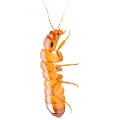

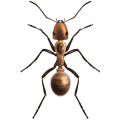

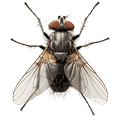
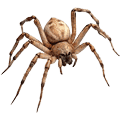

The morning after a big shamal: ants in the kitchen, a scorpion in the garage
UAE residents who've been here a few summers know the pattern. A serious dust storm rolls through — visibility down, palm trees bent, the patio furniture relocated by 30 metres — and within 24–72 hours something shifts in the indoor pest picture. Ants appear in trails on tile they've never used. Cockroach activity ticks up overnight. In Abu Dhabi and Al Ain villas it's not unusual to find a scorpion in the garage or storeroom for the first time in months.
This isn't superstition or coincidence. Three specific physical and biological mechanisms drive post-sandstorm pest influx, and once you know them you can put a 48-hour checklist in place that handles most of the risk without calling anyone.
The shamal storm season in UAE runs roughly March to August, with peak intensity through May and June. So this is the window where the pattern is most visible.
Mechanism one: wind-driven displacement
A serious shamal moves a lot of surface material. Sand, sure — but also the layer of biological matter that lives in and on the surface. For pests this means:
- Ant nests in garden sand and under stones get exposed, partially destroyed, or buried by sand drift. Workers and reproductive ants displaced from a damaged nest seek refuge in the nearest sheltered structure with food and water. That's typically your kitchen via the patio door gap.
- Scorpions native to UAE — most commonly the deathstalker (Leiurus quinquestriatus) and Arabian fat-tailed scorpion (Androctonus crassicauda) — shelter in burrows under stones, in cracks, and in low vegetation. A storm collapses or floods many of these shelters. Scorpions move to new shelter, and a garage with a 5 mm under-door gap is appealing.
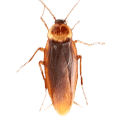
- Cockroaches in outdoor harborage (palm-tree skirts, garden bin areas, outdoor electrical conduits) lose harborage in a storm. American cockroaches especially — the bigger reddish-brown ones — will migrate indoors when their outdoor harborage is disrupted.
- Spiders, geckos, and small lizards experience similar displacement. Geckos in particular often appear inside homes for the first time in the days after a storm.
The pattern is consistent: outdoor pests with disrupted shelter look indoors for the next 48–72 hours. After that they re-establish in new outdoor shelter and the indoor pressure drops back to baseline.
Mechanism two: building pressure differentials
This is the mechanism most homeowners haven't heard of. During a strong shamal:
- Outdoor air pressure fluctuates rapidly with wind gusts.
- AC systems running on auto try to maintain indoor pressure but the gusty outdoor pressure outruns the AC's response.
- The result is brief negative pressure inside the building — outdoor air gets pulled in through any gap.
Insects don't fly through tightly-sealed walls but they do travel through gaps that are now actively pulling air. A 3 mm gap under a balcony door becomes a directional air channel during gust events. Small insects (ants, cockroach nymphs, drain flies that may be near outdoor water sources) get carried in.
The pressure-differential effect is strongest in:
- High-rise apartments (more wind exposure, larger building stack effect).
- Villas with multiple sides exposed to wind direction.
- Older buildings with more cumulative gap area in window and door frames.
It's mostly invisible while it's happening, but the morning after a serious storm you'll see the result — insects in unexpected interior locations.
Mechanism three: post-storm watering and cleanup
This one is human behaviour. After a sandstorm:
- Residents wash down balconies and patios. Water pools where it didn't before.
- Garden hose use spikes — washing cars, watering down dust on plants, hosing the patio.
- Air conditioning condensate runs harder during the recovery days because dust on coils makes systems work harder.
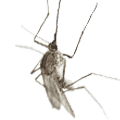
Net effect: more standing water in residential areas for 3–7 days post-storm. Standing water for 4+ days is a complete Aedes mosquito breeding cycle. The mosquito surge typically lags the storm by 7–10 days, just long enough for people to forget the storm caused it.
This is the slowest-developing of the three mechanisms but often the most persistent. A single big shamal in May can drive the local mosquito population for the next 6–8 weeks if balcony micro-pools aren't drained.
A 48-hour post-storm checklist
This is what we recommend to any UAE resident the morning after a serious storm. None of it requires a contractor. All of it reduces the indoor pest surge that would otherwise follow.
Immediately after the storm subsides:
- Walk every door and balcony gap. Look for accumulated sand, signs of insects coming through, gaps newly opened by wind pressure. Tape any obvious gap temporarily; long-term proofing follows.
- Tip every container. Plant saucers, decorative pots, the kids' bucket, the AC condensate tray under outdoor split units. Anything that holds water more than 2 cm deep gets emptied.
- Inspect the garage and storeroom if you have one. Scorpions and large insects shelter quickly. A flashlight scan of corners and behind boxes takes five minutes.
- Check the outdoor bin area. Sand drift often partially buries bin lids; gaps open. Cockroach activity spikes around bins post-storm.
Within 24 hours:
- Clean the AC outdoor unit. Dust on the condenser coil reduces efficiency, increases run time, increases condensate. A garden-hose rinse (with the unit off) handles most of it.
- Drain wash water carefully. When washing patios and cars, direct the runoff to drains rather than letting it pool against walls.
- Run hot water down drains. Disrupts any insects that may have entered via drain lines.
- Vacuum window tracks. Dust accumulates in window tracks during a storm; the dust is harborage for small insects and dust mites.
Within 48 hours:
- Inspect for scorpion sign if you're in a villa or low-rise unit. Look in the garage, storeroom, behind tall furniture, in any space at floor level that's dim. Scorpions glow under UV light — a cheap UV flashlight (AED 30–80) makes the inspection trivial.
- Check for visible ant trails on tile and wall lines. Trace them to entry points and seal those points with caulk or weather strip.
If the storm was severe and you've found significant pest activity (multiple ant trails, a scorpion sighting, post-storm cockroach surge in the kitchen), professional treatment is worth booking. Otherwise the 48-hour checklist handles 80% of post-storm risk.
What we do for clients hit by a major storm
PestSwift gets a call volume spike in the 3–5 days after any major shamal. Our standard response:
- Same-day inspection for any active sighting (especially scorpions in villa garages — these are rare but warrant urgent attention).
- Targeted ant trail treatment with bait gel at entry points. Spray treatment is rarely the right tool for ants.
- Perimeter top-up with a low-residue residual along walls and door bases for villas with garden ingress.
- Mosquito source survey at day 7–10 post-storm to catch the lagging mosquito surge before it becomes self-sustaining.
For ongoing protection, residents in villa communities or in the upper floors of high-exposure towers benefit from a quarterly pest control AMC that includes a post-storm follow-up clause.
Why scorpions especially deserve attention
Scorpions are uncommon in most UAE residential settings — not absent, but uncommon. They appear in garages and storerooms in older communities, in villas adjacent to undeveloped land or palm groves, and in compounds with extensive landscaping over native sand. After a storm the probability of finding one indoors increases significantly.
The two species worth knowing about:
- Androctonus crassicauda (Arabian fat-tailed scorpion) — the most medically significant scorpion in UAE. Sting is painful and venom is medically serious, especially for children and the elderly. Hospital evaluation recommended for any sting.
- Leiurus quinquestriatus (deathstalker) — also medically significant, similar protocol.
If you find a scorpion indoors: do not handle it. Trap it under a clear glass with a card slid underneath, or call us. We do not recommend "self-removal" — handling involves a real risk and the species identification matters for medical follow-up if anyone got close.
For more general UAE wildlife encounters see snake removal in the UAE — same principle, different species. Both are uncommon, both deserve professional handling rather than DIY.
If you've just been through a major shamal and you've noticed pest activity that wasn't there before, contact us. The 48-hour window is the right time to address it before populations establish indoors.
FAQ
How long after a sandstorm does pest activity stay elevated?
For wind-displaced pests (ants, cockroaches, scorpions seeking new shelter): 48–72 hours. For mosquitoes related to post-storm water: 6–10 days lag, then 4–8 weeks of elevated population if breeding sources persist.
Are sandstorms worse for pests than rain?
Yes, in UAE conditions. Rain in UAE is brief and rarely floods burrows. Sandstorms physically destroy outdoor harborage at scale and create the displacement effect described above. Rain mostly affects mosquito breeding (more standing water) without significantly displacing other pest populations.
Will window AC units pull in more insects during a storm?
Slightly. Window units have larger frame gaps than split systems and the unit's exhaust path can pull insects toward the unit during pressure fluctuations. If you have a window AC and you've noticed insects appearing in that room post-storm, sealing the frame edges with weather strip is the fix.
Should I close all windows during a storm?
Yes — both for dust and for pest control. Even a 2 cm gap during sustained gusty wind delivers significant insect ingress over a 6-hour storm window. Tight closure plus running the AC on internal recirculation (not fresh-air mode) reduces both dust intake and insect intake.
Tags
Written by
Rashid Al Mansoori, Operations Manager
PestSwift technicians and entomologists publish field-tested pest control guidance for UAE homes and businesses.