




The 8:30 PM seafood station problem
There's a moment, somewhere around 8:30 PM on a May evening at a JBR or La Mer beach venue, when fly count starts to win. The seafood station opens fully at 7. By 8 the smell of ice and prawn carries on the sea breeze. By 8:30 the kitchen lead is texting the operations manager because guests at table 14 are waving their hands more than they're eating.
Indoor restaurants have a closed envelope. Beach clubs and waterfront venues don't. You can't fog mid-service. You can't deploy a residual band along a dining edge where guests' bare feet sit on the sand. You can't put an open bait station next to the family-friendly play turf.
Dubai's beach club pest control problem is real, distinct from indoor commercial work, and not well covered by general pest-control vendors. PestSwift services beach venues at La Mer, Kite Beach, JBR The Walk, Palm West Beach, and Bluewaters Island — what follows is the protocol that holds across them.
What the venue is actually fighting
Three dominant pest groups in this environment:
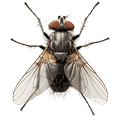
House flies and bottle flies (Musca, Calliphora)
Attracted to seafood, fish-cleaning water, kitchen waste, and the warm air gradient between kitchen extract and outdoor seating. Active dawn through dusk; in shaded venues with low-glare LED lighting, active into the evening service.
Key breeding sites: kitchen back-yard bins, the cardboard delivery zone if it's exposed, drain gulleys with organic film, any food-waste container without a tight lid. Outdoor venues amplify the visible adult count because flies that would be hard to see inside a kitchen are now over a guest's plate at table.
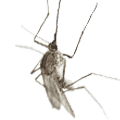
Mosquitoes (Aedes albopictus dominantly)
Dawn and dusk biter. Bites peak 7–9 PM at outdoor seating areas through May–October. The breeding source isn't on the beach itself — Aedes don't breed in salt water. They breed in adjacent landscape micropools, drain backflow points, and any standing water on the venue grounds.
This surprises operators. The beach you face isn't your mosquito source. The landscape strip behind your venue is.
Drain flies and fruit flies
Drain-trap film and bar-prep fruit waste. Smaller, less visible to guests but a leading indicator of sanitation that Foodwatch inspectors find quickly.
For the kitchen-side fruit fly logic, see fruit fly and house fly control in UAE kitchens for summer.
Less common but worth tracking
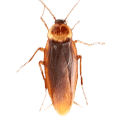
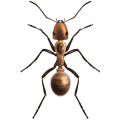
Cockroaches (German in kitchens, American at drain access points), ants (pavement ants on the deck side), occasional rodent pressure from any waste-storage area shared with neighbouring venues.
What changes for an outdoor venue
Five operational constraints shape the protocol:
- No service-window fogging. Active service is 6 PM to midnight. Any ULV or thermal fogging happens outside that window — pre-service (4–5 PM) or post-service (1–3 AM). Service-time mid-shift fogging is not acceptable.
- Sand substrate complicates bait. Cockroach gel-bait placed on sand is unstable. Ant gel-bait placed at deck edges where guests walk barefoot is unsafe. Bait stations need solid mounting — bar back-edges, kitchen-equipment legs, deck-rail underside.
- Wind direction sets the fogging window. UV light traps and ULV adult-mosquito treatment need wind direction respect. Fogging downwind of the dining area wastes product and treats nothing. Fogging upwind during a sea-breeze period drives product through the venue but can leave residual surface deposit on tabletops. We time treatment for the brief late-afternoon wind-shift window.
- Larvicide on the landscape side. Aedes breeding pockets are typically behind the venue — in the landscape strip between the venue and the road, in the irrigation overflow, in any unmonitored decorative water feature. That's where larvicide does the work.
- Foodwatch documentation needed for the food-service operation. Beach venues licensed for food and beverage operation in Dubai sit inside the Foodwatch programme. The pest-control file is part of the operational compliance pack — see also our Foodwatch restaurant pest control compliance for Dubai coverage.
The actual treatment programme
For a typical Dubai beach venue — 150–250 covers indoor + outdoor, kitchen + bar + seafood station — the working programme is structured weekly:
Daily (venue staff, with us monitoring)
- Drain trap pressure-rinse pre-service
- Bin lid integrity check
- Sand-rake the dining edge zone where food scraps fall (reduces ant and fly attraction)
- Light-trap glue-board condition check during pre-service walk
Weekly (PestSwift technician, mid-week mid-afternoon)
- Pre-service ULV fogging of landscape strip behind venue, focused on shrub interior and irrigation drip-line area, 4–5 PM window
- Larvicide tablet replenishment in identified breeding pockets (Bti for Aedes, IGR for ornamental water features)
- Bar back-area and kitchen IGR refresh in voids
- Drain-gulley enzymatic film treatment (non-toxic, reduces fly breeding substrate)
- UV light trap glue-board replacement (typically 4–6 traps per venue covering kitchen entries, bar back, and sheltered outdoor seating edge)
Monthly (extended visit)
- Full venue audit walk with kitchen lead and ops manager
- Comprehensive residual treatment of non-guest-facing zones (kitchen back, bin yard, plant room) — fipronil for cockroach pressure, pyrethroid for fly pressure
- Documentation pack — service log, sensor data, recommendations, SDS updates
Pre-event surge protocol
For weekend brunch events, holiday-period peak nights, or private hire:
- Pre-event ULV fogging of landscape strip 2–3 hours before guest arrival
- Doubled UV light-trap density on the temporary perimeter
- Larvicide top-up the week prior to ensure no adult mosquito emergence during the event
- On-call technician during the event for any unexpected issue
We price the surge protocol per event (typically AED 800–1,500 per event night) or include it in a comprehensive monthly contract for venues that run weekly events.
Real pricing
For Dubai beach venues, working numbers:
| Scope | Monthly fee |
|---|---|
| 100–150 cover venue, indoor + small outdoor deck | AED 2,800–3,800 |
| 150–250 cover full beach venue with seafood station | AED 3,800–5,500 |
| 250+ cover destination venue with multiple kitchens, beach bar, family zone | AED 5,500–8,500 |
| Per-event surge add-on (weekend brunch, private hire) | AED 800–1,500 |
The per-cover variation is wide because venue layout matters more than just cover count. A 200-cover venue with three landscape micropool risks is more service-hours than a 200-cover venue with clean concrete-perimeter siting.
For general outdoor-restaurant pricing comparison, see fly control for outdoor restaurants in UAE pre-summer.
What we do not do
It's worth naming the methods we explicitly refuse in this environment.
Surface insecticide spray on dining decks or guest-walking surfaces. Residue contact with bare feet, low-seated furniture, and guest tableware is unacceptable risk.
Open bait stations at deck edges. Family-friendly venues with children walking the perimeter make this a clear no.
Thermal fogging during operating hours. Visibility, smell, and possible residue on tables.
Rodent bait inside food-prep or food-service areas. Standard commercial pest control rule, applied strictly. Exterior tamper-resistant stations only.
Where most beach venue pest control falls short
Three patterns we audit:
Pattern one: indoor-only programme. The kitchen gets regular pest control. The outdoor dining area gets nothing structured. Adult mosquito and fly count at table is left as someone else's problem. This is the most common gap.
Pattern two: monthly-only service. A single monthly visit cannot maintain larvicide tablet currency for Aedes (Bti loses efficacy after 30 days; with rain or rinse, sooner). Weekly is the right cadence for outdoor environments.
Pattern three: fogging the dining edge. A contractor fogs the perimeter shrubs but the wind is wrong and the product blows through the venue rather than away from it. Residue on tables, smell complaints, and no actual mosquito reduction. This is one of the loudest failure modes — guests notice immediately.
Mosquito control specifically
The single highest-value intervention at most beach venues is the larvicide programme in the landscape strip behind the venue.
We walk the perimeter every visit and identify any standing water — irrigation overflow, drain backflow, decorative water features, the air-conditioning condensate drain points. Each gets Bti tablets at 1 tablet per square metre of water surface, replaced every 30 days.
ULV adult-control fogging is the visible part of the work but it's the wrong-emphasis if larvicide isn't right. Fogging without larvicide kills the visible adults but the next emergence wave matures within a week.
For more on the source-removal logic, see pre-summer mosquito Aedes source removal in UAE.
FAQ
Will guests smell fogging during dinner?
Not if it's done properly. We fog the landscape strip behind the venue in the pre-service window (4–5 PM), with wind direction respect, and we use water-based ULV formulations that disperse within 30–45 minutes. By guest arrival at 6 PM there should be no detectable scent at table.
How quickly will guest fly complaints drop?
Fly count drops within the first 7–10 days as drain enzymatic treatment removes breeding substrate. By week three, sustained reduction should be evident in service-team observation and any guest-feedback channels you monitor. Heavy seafood-station nights remain higher-pressure than typical service nights regardless.
Do we need to involve our landlord or the venue developer?
Usually no for the daily and weekly programme. For substantial landscape modification — re-routing irrigation, sealing drain backflow, modifying ornamental water features — the venue lease typically requires landlord coordination. We provide written recommendations the operator can pass on.
Is the larvicide safe near the swimming areas?
Bti is biological and species-specific to mosquito and blackfly larvae. It's harmless to swimmers, fish, birds, and pets. We don't apply it inside chlorinated pool water (already hostile to larvae) but do apply it to nearby irrigation pockets, drain backflows, and decorative water features.
Get the right cadence in place
If you operate a Dubai beach club or waterfront restaurant and the summer fly and mosquito pressure is already affecting service, the right move is now — not in two months. We do a no-cost walk-and-audit, propose a weekly cadence specific to your venue, and price by what the venue actually needs. Talk to PestSwift commercial accounts, or read more about our fly control and mosquito control services.
Tags
Written by
Maria Fernandez, Commercial Accounts Lead
PestSwift technicians and entomologists publish field-tested pest control guidance for UAE homes and businesses.