








A cinema operations manager in a Dubai mall called us at 11:30 on a Friday night. They'd had a guest complaint at the second-last screening of a tentpole release: a mouse running across the auditorium floor near row F. Social media photo. Going viral. Could we be on-site at 02:30 when the last screening cleared and audit the building before doors opened at 09:00 Saturday?
We were. We found the actual problem in 40 minutes — a torn corner on the popcorn-storage room door seal that had been ignored for six weeks. Three live captures and one rodenticide bait box deployment later, the cinema opened on time. The full IPM remediation took the next two weeks. The mouse video stopped being shared within 48 hours, mostly because nobody else had a similar story to tell.
This is what cinema pest control is. Not "spray it once a month." It's structured Integrated Pest Management built around the building's three pest-risk zones — concession, auditorium, projection-room — with night-window access and DM IPM file documentation that survives a public-health inspection.
Why cinemas need a different approach from regular F&B
A movie theatre is operationally a hybrid. It's part F&B (the concession with popcorn, hot foods, frozen drinks), part assembly venue (the auditorium with thousands of seats), and part technical-utility space (projection booths, server rooms, HVAC). Each zone has a different pest risk profile and the controls don't transfer cleanly between them.
The DM Public Health Pest Control framework treats cinemas under "commercial premises with food handling," which means the F&B side has full HACCP-equivalent expectation. ADPHC and Sharjah Municipality apply parallel standards. What that translates to operationally:
- Mandatory IPM logbook on-site, available to inspectors on demand
- Documented monthly service by a DM-licensed pest control operator
- Records of pesticide products used (only DM-approved list), application zones, technician name and license number
- Trend reporting on pest sightings and remediation actions
If the cinema can't produce this file in five minutes when an inspector walks in, the violation is on the operator regardless of whether pests were found.
Zone 1: The concession (popcorn, hot foods, frozen drinks)
This is the highest-risk zone in any cinema. Three sub-zones inside it:
Popcorn storage and preparation. Bulk corn kernels arrive in 25 kg paper sacks. Indian meal moths (Plodia interpunctella) and warehouse beetles (Trogoderma variabile) breed in stored kernels — the eggs arrive with the shipment, hatch in storage, larvae feed in the sacks. By the time you see flying moths in the popper room, the supply chain has been infested for weeks.
Treatment: rotate stock first-in-first-out, store in sealed plastic bins after sack opening, monthly pheromone traps to detect early infestation, no broad-spectrum spraying near food contact (label-restricted). Discard infested batches; chemical treatment of bulk popcorn is not an option.
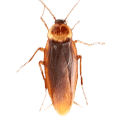
Hot food prep and warmers. Nacho cheese warmers, hot dog rotators, pretzel boxes — all generate condensate and crumb buildup behind the equipment. American cockroaches (Periplaneta americana) and German cockroaches (Blattella germanica) both colonise this niche. The warmers run 12+ hours daily; they don't shut off.
Treatment: night-window deep-clean access (we do this between the last screening and 04:00), gel-bait placement in equipment voids, IGR injection in wall sockets near food prep. We never use aerosol or surface spray within food-contact zones.
Frozen drinks and ice machines. Drain flies and fruit flies thrive in ice machine drain pans and Slurpee/ICEE machine drip trays. Sticky concentrate residue is the food source. Bacterial film accumulates. Both species can bridge from drain to food contact surfaces.
Treatment: enzymatic drain biocide weekly (operator-managed), monthly pest-control inspection, mechanical cleaning of drip trays.
Zone 2: The auditorium
Auditoriums look clean during opening hours. They aren't. After every screening, popcorn fragments, sugary drink spills and the occasional dropped hot dog accumulate in seat crevices. Cleaning crews vacuum aisles and visible areas; under-seat zones get less attention.
Pest pressure: stored-product beetles, ants (especially pharaoh and ghost ants in seat upholstery and seat pedestal junctions), occasional mice and rats migrating from concession into the auditorium between screenings.
Treatment: monthly under-seat inspection, pheromone-trap zones along auditorium walls, quarterly deep-vacuum service combined with edge-of-aisle bait-station deployment. Auditorium HVAC return-air grilles are a recurring rodent entry point we audit specifically.
For larger multi-screen cinemas (12+ screens, 1,800+ seats) we run a rotating-zone audit — three auditoriums per monthly visit — so every screen gets checked quarterly without overwhelming the night-shift window.
Zone 3: Projection room and back-of-house technical zones
The projection booth is climate-controlled and isolated, but it shares HVAC and cable trays with concession. We've found rodent activity in projection rooms in three Dubai cinemas and one Abu Dhabi cinema in the last 18 months. All four traced back to cable-tray gaps from the back-of-house corridor.
Risk: gnawed projector cabling = service interruption. A two-screen rodent-driven outage at a multiplex during a major release weekend is not a hypothetical — we've responded to two of those.
Treatment: cable-tray rodent gnaw guards, sealed conduit penetrations, snap traps and bait stations at booth entry points, quarterly inspection of equipment cabinets.
Night-shift access logistics
Cinema pest control happens between 02:00 and 06:00. Three reasons:
- Concession is closed and food-contact treatment can be applied without contamination risk
- Auditoriums are empty; no public health exposure
- Cleaning crews finish around 02:30 in most multiplexes, leaving a clean substrate for treatment
Our operations team coordinates with the cinema's night-shift supervisor, mall security (most UAE cinemas are mall-based and require after-hours mall access permits), and the building maintenance team. The first month of any new cinema contract is heavy on coordination — by month three the routine is in the night-shift checklist.
What annual cinema IPM costs in the UAE
| Cinema size | Indicative annual contract |
|---|---|
| Small 4-6 screen (single mall, ~600 seats total) | AED 6,000-9,000 |
| Standard multiplex 8-12 screens (~1,400 seats) | AED 9,000-14,000 |
| Large multiplex 14-20 screens with VIP and IMAX | AED 14,000-22,000 |
| Premium concept (Reel/Roxy/VOX Gold) with full F&B service | AED 18,000-32,000 |
Includes monthly visits, IPM logbook maintenance, emergency callout response within 4 hours, end-of-year DM inspection-readiness audit. Excludes major remediation events (rodent infestation cleanup, fumigation) which are quoted separately.
For broader F&B vertical context see our HACCP restaurant post, supermarket zones post and drain fly food court post.
What cinema operators ask us most often
Three questions come up on every new-contract intake call:
"Will pest treatment affect projection equipment?" No. We don't use aerosol or fogging in projection rooms. Bait stations are sealed and placed away from precision equipment. Cable cleaning uses food-grade solvents only.
"Can we run treatments without closing the cinema?" Yes — that's the whole point of the night-window protocol. Most treatment is invisible to the daytime operation.
"What happens if a pest is sighted during a screening?" We have a same-day callout protocol for sighting events: respond within 2-4 hours, conduct discreet investigation, deploy temporary controls if needed, and full remediation in the next night window. The goal is to neutralise the brand exposure as fast as possible.
FAQ
Q: Are pest sightings reportable to DM by cinema operators?
DM doesn't require self-reporting of pest sightings; it requires that the IPM logbook accurately records sightings and remediation. An inspector reviewing the log expects to see pest events and corrective actions; a logbook with zero recorded events for six months looks fabricated.
Q: Can we use pest control as an upsell for hygiene certification?
Several cinema chains we work with use the IPM file as part of their tenant relationship with the mall management. A clean record is leverage when negotiating lease terms. We'll generate quarterly summary reports for that purpose at no extra cost.
Q: How does pest control coordinate with our food-handler training?
We provide a 30-minute pest awareness session for concession staff annually — what to look for, what to report, what NOT to do (don't spray Raid in food-prep areas, don't put traps where guests can see them). It's part of the contract.
Q: What about cinemas with attached restaurants or full-service F&B?
These are quoted as combined IPM contracts covering the cinema + restaurant under one logbook with HACCP-equivalent documentation across both. Pricing scales with the F&B square footage, not the screen count.
If you operate a UAE cinema and your current pest control is a monthly spray-and-leave routine, request an IPM audit. We'll walk the building, review the existing log, and quote a structured programme that survives DM inspection.
Tags
Written by
Maria Fernandez, Commercial Accounts Lead
PestSwift technicians and entomologists publish field-tested pest control guidance for UAE homes and businesses.