










Here's the uncomfortable truth a lot of pest control companies won't tell you: nobody can spray your dust mites away. If a company quotes you a "dust mite fumigation" for the bedroom, be sceptical. Dust mites aren't an infestation you exterminate like cockroaches. They're a permanent, microscopic resident of soft furnishings, and the entire game is keeping their numbers — and their droppings — low enough that your body stops reacting. In Dubai that's harder than almost anywhere, and worth getting right, because the thing people are actually allergic to isn't the mite. It's what it leaves behind.
What you're really reacting to
Dust mites are arachnids about a third of a millimetre long. You will never see one. They eat the flakes of dead skin we all shed, and a warm humid mattress is a buffet. The allergen isn't the live mite — it's a protein in their droppings and shed bodies, and it goes airborne every time you flip your pillow or sit on the sofa. Breathe it in night after night and you get the classic picture: waking up congested, morning sneezing, itchy eyes, a cough that's worse in bed, eczema flares, and asthma that's harder to control.
A used mattress can hold millions of mites. That's not a scare figure — it's simply what an undisturbed, slept-in mattress accumulates over years.
Why Dubai bedrooms are perfect for them
Dust mites can't drink. They absorb moisture straight from the air, so humidity decides everything. They thrive when indoor relative humidity sits around 50–70% and struggle below about 50%. Dubai hands them ideal conditions on a plate:
- Outdoor humidity runs high for much of the year, especially the coastal communities and the summer months that are starting now.
- Air conditioning keeps the bedroom at their favourite 22–25°C year-round.
- AC ducts and fan-coil units can run damp and seed both mould and a humid microclimate around the bed.
- Soft everything — thick mattresses, upholstered headboards, layered bedding, heavy curtains, rugs — gives them endless habitat.
So the Dubai bedroom is warm, soft and, for a good chunk of the year, humid. That's why mite allergy here is often a year-round low-grade thing rather than a spring hay-fever spike.
What actually works — in order of impact
The honest hierarchy. Do the top items first; they matter most.
- Drop the humidity. This is the single biggest lever. Keep bedroom relative humidity under 50%. A small hygrometer (AED 30–60) tells you where you stand. Run the AC or a dehumidifier in the humid months and don't let the room sit closed and damp. Below 50% RH, mite populations fall on their own.
- Encase the mattress and pillows. Allergen-proof, tightly-woven zip encasements trap the mites and their droppings inside, away from your airways. This is the highest-value single purchase for an allergy sufferer — it turns the biggest reservoir in the room into a sealed box.
- Hot-wash bedding weekly. Sheets, pillowcases and duvet covers washed at 60°C kill mites; a warm wash only rinses allergen away without killing them. Tumble-dry hot or dry in direct sun.
- Cut the soft clutter. Fewer scatter cushions, washable rugs instead of deep-pile, blinds or washable curtains instead of heavy drapes, and keep soft toys off the bed (or freeze them for 24 hours, then wash).
- Vacuum with a HEPA filter, and damp-dust. An ordinary vacuum throws allergen back into the air. Use a HEPA-filtered machine, and wipe surfaces with a damp cloth rather than a dry duster that just stirs everything up.
- Sort the AC. Service the units, clean or replace filters, and clear condensate so the room isn't being quietly humidified by its own air conditioning.
Where a professional treatment fits
If you've done the humidity and encasement basics and someone in the home still has stubborn allergy or asthma, a professional anti-allergen treatment of the mattress, upholstery and carpets can knock the existing load right down to give you a clean baseline. What that involves — and what it honestly is and isn't:
- High-temperature steam and hot-water extraction of mattresses, sofas and carpets physically kills mites and flushes out accumulated allergen.
- Anti-allergen / acaricidal treatments (benzyl-benzoate-based or tannic-acid sprays) reduce mite numbers and denature the droppings allergen on treated soft furnishings.
- HEPA deep-vacuuming lifts the dead mites and debris the steam loosens.
It's a reset, not a permanent cure. Without the humidity control and encasements, the mites come back, because you can't seal a bedroom against airborne moisture. We're upfront about that — a treatment that ignores humidity is selling you a fortnight of relief. We treat dust mites as part of a wider home pest-and-air-quality approach, whether the property is an apartment or a villa with damp and mould issues as well.
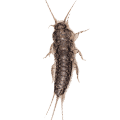
Worth knowing: mites aren't the only humidity pest in a Dubai bathroom or wardrobe. The same damp that feeds them feeds booklice in humid bathrooms and silverfish in bathroom and storage — if you've got one, check for the others.
Who suffers most, and why it's worth bothering
If everyone in the home sleeps fine and breathes easy, a low background level of mites isn't worth losing sleep over. The people who genuinely benefit from getting serious about this are allergy and asthma sufferers, eczema-prone children, and anyone whose symptoms reliably get worse in bed and better when they leave the house for a few days. For those households the payoff is real and measurable: fewer night-time symptoms, better-controlled asthma, and less reliance on antihistamines. The coastal communities — anywhere near the water, where ambient humidity stays stubbornly high — tend to see the strongest effect from humidity control, because that's where the room fights hardest to stay above 50% RH on its own.
FAQ
Does pest control get rid of dust mites permanently?
No, and be wary of anyone who says it does. Dust mites live in all soft furnishings and recolonise from the air, so the goal is control, not eradication. A professional steam-and-anti-allergen treatment resets the existing load; humidity control under 50%, mattress encasements and weekly 60°C washing keep it down. The treatment without the maintenance is temporary.
What humidity level actually kills dust mites?
They struggle and decline when relative humidity stays below about 50%, because they take in water from the air and can't survive dry conditions for long. Keeping the bedroom under 50% RH — measured with a cheap hygrometer — is the most effective single thing you can do, which is exactly why Dubai's humid season makes mite allergy worse.
Can dust mites be the reason I wake up congested in Dubai?
Often, yes. Morning congestion, sneezing and itchy eyes that ease once you're up and out of the bedroom are a textbook dust-mite pattern, because you've spent the night breathing allergen from the mattress and pillow. It's worth testing with an allergist, but encasing the mattress and dropping the humidity is a low-cost thing to try first.
Are the treatments safe for kids and asthmatics?
The core measures — encasements, hot washing, humidity control, HEPA vacuuming and steam — involve no chemistry at all and are ideal for children and asthmatics. Where we do use an anti-allergen acaricide on soft furnishings, we use low-toxicity products at label rate and ventilate before re-entry. For a sensitive household we'll often lead with the non-chemical steam route.
If allergies or asthma are worse in the bedroom, get in touch and we'll assess the room, not just sell a spray. Read more on our dust mites page or explore apartment pest control.
Tags
Written by
Dr. Karim El-Sayed, Lead Entomologist
PestSwift technicians and entomologists publish field-tested pest control guidance for UAE homes and businesses.