



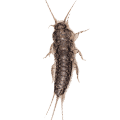

Silverfish (Lepisma saccharina) don't bite, don't carry disease, don't damage structural wood, and don't reproduce explosively. They're a relatively benign pest by most standards. The reason we still take silverfish calls seriously in the UAE is that a silverfish population establishing in your home tells you something specific about the indoor environment — and the underlying condition is a worse problem than the silverfish themselves.
If you have silverfish, you have humidity problems. Specifically, indoor relative humidity above 65% in the affected zone, sustained over weeks. The bug is the symptom; the moisture is the disease. Here's the operator's view of what to actually do.
What silverfish need to live
Silverfish are biologically tied to humidity. They lose body water rapidly in dry air and can't survive sustained periods below 50% relative humidity. They prefer 70-80% RH. In the UAE, the indoor zones that consistently maintain that humidity are:
Bathrooms with poor ventilation. Hot showers + closed door + no exhaust fan = 80-90% RH for several hours daily. Even with the AC running outside the bathroom, the bathroom itself stays a humid microhabitat.
Storage closets and walk-in wardrobes against external walls. External UAE walls, especially north-facing ones, condense moisture from inside warm AC air. The wardrobe behind the wall sees the condensation as standing humidity.
Under-sink cabinets in kitchens and bathrooms. Hidden water leaks from supply lines or drain joints maintain a constant moist atmosphere even when the cabinet appears dry.
Maids' rooms and storerooms in villas, particularly those located behind kitchens or near pool equipment areas. These often have weaker AC, less foot traffic, and accumulating cardboard storage that holds moisture.
Behind books on shelves in walls with humidity issues. Books absorb moisture from the surrounding air; silverfish then feed on the paper and binding glue.
If you have silverfish but you don't think you have a humidity problem, you have a humidity problem. Buy a hygrometer (AED 40-80 from any electronics store) and track the affected zone for a week.
What they eat
Silverfish diet is starches, sugars, and proteins. Specifically:
- Wallpaper paste (this is why they sometimes appear behind peeling wallpaper).
- Book bindings and paper, especially older books with starch-based glues.
- Cardboard storage boxes and the paper labels on them.
- Cotton, linen, and silk fabrics with starch sizing.
- Dried flour, oats, sugar in pantry storage.
- Dust composed of skin flakes, hair, and food residue.
- Some synthetic fabrics if soiled with food residue.
Damage shows up as small irregular holes in paper, faded patches on book covers, fabric damage that looks like moth damage but with less geometric pattern, and the small dark fecal pellets near affected items.
The damage is slow — silverfish don't multiply at cockroach speed — but if a population goes uncorrected for 12-24 months, paper-stored items can be substantially compromised. Important documents, photo albums, archival material should not be stored in silverfish-active zones.
Why chemical treatment alone fails
A pest control company can come into your bathroom with a residual insecticide, treat all the cracks and crevices, and kill every silverfish present at the time. The visible population disappears within 48 hours. The resident is satisfied.
Four to six months later, the silverfish are back. We treat again. They're back again.
The diagnosis: chemicals kill silverfish. They don't reduce humidity. As long as the bathroom maintains 70-80% RH, the bathroom remains attractive to silverfish that migrate in from elsewhere in the building. Each treatment is a temporary reset, not a fix.
A proper silverfish solution has two arms:
Arm 1: Pest control treatment. Standard residual insecticide in cracks and crevices, behind skirting, around plumbing penetrations. Boric acid dust in wall voids. Egg removal (often achieved through follow-up at 14-21 days, when nymphs hatch).
Arm 2: Humidity reduction. Bathroom exhaust fan operating during and after every shower, ideally on a timer that runs 20-30 minutes post-shower. Storage closet doors left ajar at night to allow AC air circulation. Under-sink leak repair if leaks are found. In severe cases, a small dehumidifier (AED 350-800 retail) operating in the affected zone.
With both arms, silverfish populations don't return because the conditions that attracted them no longer exist.
What we actually do on a silverfish call
For a typical UAE villa or apartment with silverfish:
Step 1 — Hygrometer survey. Measure RH in every room, particularly bathrooms, closets, store rooms, and any areas where silverfish were spotted. Identify zones above 65% RH. 15-20 minutes.
Step 2 — Moisture audit. Check under sinks (look for active leaks or stains indicating past leaks), inspect bathroom ventilation (does the exhaust fan work, is it actually exhausted to outside), check AC drain pipes for proper flow, look for condensation patterns on external walls. 20-30 minutes.
Step 3 — Treatment. Residual insecticide in identified harborage zones. Boric acid dust in wall voids and behind skirting. Targeted egg-removal vacuuming where active populations are visible. 30-60 minutes.
Step 4 — Recommendations. Specific moisture-reduction actions for the resident: install bathroom exhaust fan if missing, run existing fan longer, keep closet doors ajar, repair any leaks found. We list these in writing on the invoice.
Step 5 — Follow-up at 21 days. Re-inspection of treated zones. Spot re-treatment of any active populations. Re-measurement of humidity to confirm progress.
Cost: AED 280-450 for a typical apartment, AED 350-650 for a villa. The investment in a dehumidifier and exhaust fan repair (if needed) is the resident's, separately — total usually AED 400-1,200 in equipment.
Specific UAE situations and the right move
Silverfish in a master bathroom only. Bathroom-specific humidity issue. Check the exhaust fan; many UAE apartment bathroom fans are connected to dummy ducts that don't actually exhaust outside the building. Verify the fan moves air. Treat the bathroom and the immediately adjacent closet.
Silverfish in a walk-in wardrobe. External wall condensation. Check the wall for cool spots indicating poor insulation. Keep the wardrobe door open during the day. Don't store cardboard boxes inside the wardrobe (they absorb moisture). Add a small sachet desiccant pack inside.
Silverfish on bookshelves in the living room. Either bookcase against a humid wall or general living-room humidity above 60%. Pull bookcase 5cm away from the wall to allow air circulation. Run AC consistently — silverfish populations crash if you keep RH below 55% sustained.
Silverfish in the kitchen pantry. Less common but indicates humidity migration from a nearby bathroom or kitchen sink leak. Check for hidden leaks. Use sealed glass or plastic containers for dry goods storage. Treat behind the pantry.
Silverfish in the maid's room or storeroom. This is the hardest case. These rooms typically have weaker AC, more cardboard storage, and chronic neglect. The fix is structural — improve AC delivery, declutter, store on shelving rather than directly on floor, install a small dehumidifier.
DIY actions that actually help
For residents who want to address silverfish without immediately calling pest control:
Run the AC consistently and aggressively in affected zones. Sustained 22-24°C indoor temperatures with the AC actually drying the air drops RH faster than anything else.
Inspect under sinks for leaks. A slow drip from a supply line connection can maintain wet conditions for years before water damage becomes visible. Fix leaks promptly.
Run bathroom exhaust fans during and after showers. If your fan doesn't work or doesn't actually exhaust outside, get it fixed. This is the single highest-value DIY action.
Vacuum cracks and crevices weekly in affected zones. Removes silverfish and their eggs.
Discard heavily-affected stored items. A book or stack of papers with active silverfish damage may be unsalvageable; preserving it preserves the food source.
Lavender oil and cedar are mild deterrents. Not enough on their own, but lavender sachets in closets and cedar blocks in wardrobes do reduce silverfish presence.
If these actions don't reduce silverfish sightings within 3-4 weeks, the issue is deeper than DIY can address — usually a humidity problem that needs structural diagnosis.
FAQ
Are silverfish dangerous?
No. They don't bite, don't carry disease, don't damage structural wood. Damage is limited to paper, fabrics, and stored dry goods. The reason silverfish matter is what their presence indicates — sustained high humidity that may cause mould and structural moisture issues.
Why do silverfish keep coming back to the same bathroom?
The bathroom maintains conditions silverfish need (70-80% RH for several hours daily). Treatment kills present silverfish but doesn't change the conditions, so silverfish migrate in from elsewhere in the building. The fix is humidity reduction, typically via better exhaust ventilation.
How fast do silverfish reproduce?
Slower than most pests — a female lays 1-3 eggs at a time, 50-60 over a lifetime, with eggs taking 3-6 weeks to hatch in UAE conditions. A small population can establish over months. Visible silverfish today usually means the population has been there for some time.
Will running my AC stronger fix the silverfish?
For most UAE silverfish situations, yes — over weeks. Sustained AC operation drops indoor RH below 60%, which silverfish can't tolerate long-term. Combine AC operation with treatment for fastest results.
Related guides: Spider myths vs real risk in UAE villas · How to read a UAE pest control quote · Pre-summer mosquito surge in the UAE
If you've got silverfish in your bathroom, walk-in wardrobe, storage closet, or pantry, contact PestSwift for a humidity-aware silverfish treatment. We service Dubai, Abu Dhabi, Sharjah, and Ajman with apartments pest control and villa pest control including moisture audit on every silverfish job.
Tags
Written by
Dr. Karim El-Sayed, Lead Entomologist
PestSwift technicians and entomologists publish field-tested pest control guidance for UAE homes and businesses.