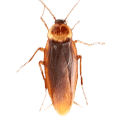



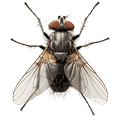


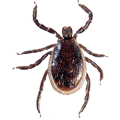


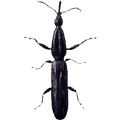
A tenant in Al Reem Island handed us her phone last week and asked us to read the WhatsApp thread with her landlord. Three weeks after move-in she'd found German cockroach activity behind the kitchen kickplate. The landlord's reply: 'You introduced them. Pay for the treatment.' She didn't have move-in photos of the kitchen interior. She paid AED 1,400 for a cycle she shouldn't have funded.
The Rental Disputes Center is reasonably tenant-friendly when you have evidence and reasonably landlord-friendly when you don't. Pest infestations present at handover are the landlord's responsibility under both Dubai Tenancy Law and the Abu Dhabi tenancy framework — but only if you can prove they were there at handover.
This is the room-by-room pre-tenancy pest snagging checklist we'd run on our own families' apartments. Print it, photograph everything, file it before you sign or pay anything.
Why this matters financially
A cockroach treatment cycle in a UAE 1-BR is AED 600–1,400. A bed bug treatment cycle is AED 1,000–3,200. A termite barrier on a villa is AED 2,400–18,000. If pests were present at handover and you didn't document them, every dirham of that comes out of your pocket — even though the law says it shouldn't.
For the broader legal framework, see the tenant vs landlord pest responsibility split across the UAE. This piece is the practical evidence-gathering counterpart.
When to do the inspection
Three windows. In order of preference:
- Before signing the tenancy contract. Best position. You can refuse the unit or negotiate treatment-as-condition.
- After signing but before moving in (handover walkthrough). Standard. Document and email same day.
- Within 7 days of moving in. Acceptable. After day 7, the landlord will argue you introduced the problem.
If possible, do the inspection at the time of day when pests are most active. Cockroaches and rodents are nocturnal — a 9 AM walkthrough won't show them. Schedule a torch-and-borescope sweep after sunset. Bed bugs hide regardless of time, so flip mattresses regardless.
Equipment to bring
- Strong torch (your phone flashlight is not enough — bring a real handheld flashlight).
- Phone for photos and video, with good battery.
- Roll of plain white paper towel (wipes against suspected fecal spotting — black smears confirm cockroach or bed bug).
- A small magnifying loupe or your phone's camera macro mode.
- Notepad or your favourite checklist app for marking findings.
- Optional: paid pest inspector with a borescope for AED 350–600. Worth it for a 2-BR or larger.
Room-by-room checklist
Kitchen — highest priority
- Under-sink cabinet. Open, remove everything, look at the back wall and base panel. Black fecal spotting (looks like ground pepper) = cockroach. Smear marks (greasy darkened tracks along the base) = rodent. Photograph empty cabinet interior with date timestamp visible.
- Behind the kickplate of base cabinets. If unscrewable: unscrew, photograph the gap behind. If not removable: shine a torch under and photograph what you can see.
- Inside the dishwasher motor cavity. Open the bottom panel of the dishwasher. German cockroaches love the warmth of the motor housing. Live insects or shed exoskeletons here are damning.
- Behind/under refrigerator. Pull the unit forward 30 cm if you can. Look at the wall behind for fecal spotting and at the floor for droppings.
- Inside cabinet hinges and corners. Cockroach egg cases (oothecae) — small brown capsules ~8 mm long — get glued into hinge channels.
- Bin storage area. Look for live ants on a trail, fly activity, fecal spotting on walls.
- Drain trap of sink. Run water for 30 seconds. Drain flies (small, fuzzy, black) emerging means a drain biofilm problem.
Bedrooms — bed bugs first
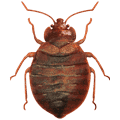
- Mattress seams. Lift mattress off box spring. Inspect every seam, especially the four corners and the centre piping. Live bed bugs (apple-seed sized, brown), shed exoskeletons (translucent), eggs (white grains in the seam), or fecal spotting (small black dots that smear when wet) all confirm.
- Box spring underside. Flip the box spring. Same evidence to look for.
- Headboard. Behind any padded headboard or in the joints of a wooden one. Bed bugs love the joint between headboard and wall.
- Bedside drawer interiors. Pull out drawers, photograph interiors.
- Plug socket faceplates. Unscrew (turn the breaker off first). Bed bugs harbour behind socket plates because the warmth and the wall void access are ideal.
- Picture frames. Lift any framed picture off the wall. Inspect the back of the frame.
- Skirting boards. Run torch along the bottom 5 cm of every wall. Fecal spotting near the wall-floor join confirms bed bugs.
Bathrooms
- Drain stack penetration behind toilet and under sink. Gaps in the wall around the pipe — photograph for the rodent risk.
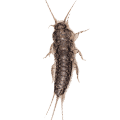
- Silverfish in storage. Look in the back of the under-sink cabinet at any cardboard or paper. Silverfish (small, silvery, fish-shaped, fast) hide there.
- Grout and tile joints in shower corners. Mould stains aside, look for visible insect activity.
- Behind WC tank. Photograph the back wall behind the tank — out-of-sight cockroach harborage in many older units.
Living and dining
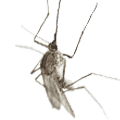
- Air-conditioner condensate drip pan. If accessible. Standing water = mosquito breeding microsite, plus a droplet trail down the wall = leaks that attract pests.
- Sofa undersides and cushion seams. Bed bugs sometimes establish in heavily used soft furniture, particularly in furnished rentals.
- Curtain hems and pelmet interiors. Lower-priority but check.
- Skirting board joints behind the TV unit. Check for fecal spotting.
Storage and maid's room
- Floor corners. Rodent droppings (dark, rice-grain shape, often in clusters) are usually corner-wall.
- Stored cardboard. Boxes left from previous tenants are pest reservoirs. Recommend full removal pre-move-in.
- Door seals at the bottom. Daylight visible under the door = mouse can walk in.
Balcony
- AC condensate discharge point. Any stagnant water at the discharge?
- Pigeon nests on the AC unit cage. Open balconies in older buildings often accumulate nesting debris.
- Plant pot saucers. Standing water = mosquito breeding.
- Balcony floor drain. Should drain freely; if water pools, mosquito risk.
Villa-specific (in addition to apartment list)
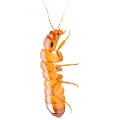
- Garden perimeter wall, internal face. Look for mud tubes — earthen pencil-width tunnels running vertically from soil to top of wall. Subterranean termites.
- Soil-contact wood. Pergolas, decking, planters, fence posts. Tap with a screwdriver. Hollow sound = potential termite damage.
- Garage door brushes. Worn or missing seal = rodent and cockroach entry.
- Pool cover. Standing water in any depression = mosquito breeding.
- Boundary irrigation drip lines. Visible leaks = future termite + mosquito risk.
- Maid's quarters separately. Often older unit, often skipped during showings.
For a villa-specific termite-only deep dive use the pre-handover termite inspection guide.
Photo and video protocol
Courts and the Rental Disputes Center take dated, location-tagged photos seriously. Loose phone snaps without timestamps less so. The discipline:
- Date and time visible in the photo. Either via your phone's burned-in timestamp setting or by including a piece of paper with today's date in frame.
- Wide shot then close-up. Wide establishes 'this is the kitchen of unit X', close-up shows the evidence.
- Video walk-through of every room — 60 seconds per room, narrating what you're showing. Saves the date in the file metadata. Send a copy to your own email immediately.
- GPS-tagged. Make sure your phone's location tagging is on for the photos.
- Backup to cloud immediately. Don't rely on local storage.
Number of photos for a typical 1-BR pre-tenancy snag: 80–150. Yes, that many. Storage is free; losing AED 1,400 to a he-said-she-said dispute isn't.
The handover email — wins disputes
Within 24 hours of the inspection, send the landlord an email with a structured pest report attached. Bcc your own personal email so you have a delivery record outside the landlord's hands.
Template:
Subject: Unit [address] handover pest inspection — findings as of [date]
Dear [landlord/agent name],
Following our handover inspection on [date], I am documenting the pest-related findings observed in the unit prior to my occupancy. Photographs are attached.
Findings:
- [Room] — [observation, e.g. 'Live German cockroach activity inside the under-sink cabinet, dishwasher motor cavity. Photographs 03–08 attached.']
- [Room] — [observation] ...
Per Article 16 of Law No. 26 of 2007 (Dubai Tenancy Law), the landlord is responsible for delivering the property in habitable condition free from existing pest infestation. I am requesting the landlord arrange and pay for professional pest treatment by a Dubai Municipality-approved contractor prior to my occupation, with a copy of the treatment certificate provided.
If treatment cannot be completed within [reasonable window — 7 days for cockroach, 14 days for bed bug], I am asking that we agree in writing to either an equivalent rent reduction or that I arrange treatment and deduct from the next rent installment.
Kindly confirm receipt and your proposed approach.
Regards, [Tenant name]
Adjust 'Article 16 / Law 26 of 2007' for Abu Dhabi (Law No. 20 of 2006) or Sharjah (Law No. 2 of 2007) accordingly. The legal anchor matters less than the documentary trail; you're establishing that the landlord was on notice from day one.
When to refuse handover entirely
Most pest findings can be addressed with a treatment cycle and don't justify refusing the unit. A few do:
- Active termite damage to structural timber. This is the landlord's; refuse handover until proven treated and damaged elements replaced.
- Severe bed bug infestation visible in mattress seams of provided furniture. Refuse — heat treatment is required, and you don't want to be in possession during the 6-hour heat cycle on day one.
- Active rodent droppings throughout the kitchen and storage. Refuse — exclusion plus baiting needs 2–4 weeks before the unit is liveable.
For everything else, document, treat, and move in.
Paid pre-tenancy inspection — when it's worth it
AED 350–600 typically. Includes borescope of false ceilings, external-wall sleeve audit, and a dated written report on letterhead. Worth it for high-rent units (>AED 100k/year), furnished or holiday-home rentals, older building stock (Karama, Bur Dubai, original Greens), and first-time UAE renters who don't know the room-by-room playbook.
FAQ
Who pays for pest control when moving into a Dubai apartment?
If the infestation was present at handover, the landlord under Dubai Tenancy Law Article 16. If the infestation arose after handover from tenant behaviour (introduced via furniture, second-hand mattress, etc.), the tenant. The dispute is almost always about which side of that line the infestation falls on — which is why move-in documentation matters.
What pest signs should I look for before signing a lease in Dubai?
Prioritise: kitchen cockroach evidence (under-sink cabinet, dishwasher cavity), bedroom bed bug evidence (mattress seams, headboard cracks, plug-socket plates), bathroom drain flies and silverfish, storage rodent droppings. For villas add boundary-wall termite mud tubes and soil-contact wood. The full room-by-room checklist above covers all of it.
Can I refuse a Dubai rental if there are bed bugs?
Yes. You can refuse handover, refuse to move in, and (if the contract isn't yet signed and money hasn't changed hands) walk away. If the contract is signed and payment made, you can require treatment-as-condition and document everything; if the landlord refuses, the Rental Disputes Center is the next step.
Should I get a paid pest inspection before move-in or after?
Before is better. AED 350–600 to catch a problem before you sign saves multiples of that in dispute cost. After move-in, the burden of proving the pest was already there shifts to you and gets harder by the day.
Need a paid pre-tenancy pest inspection in Dubai or Abu Dhabi? Book PestSwift — same-day inspections available, written report on letterhead within 24 hours.
Tags
Written by
Rashid Al Mansoori, Operations Manager
PestSwift technicians and entomologists publish field-tested pest control guidance for UAE homes and businesses.