

JVC is genuinely unusual as a Dubai community. Within a 10-minute walk you can move from a single-family standalone villa to a 12-storey apartment block to a row of attached townhouses to a 4-storey low-rise apartment building. The community was developed in waves between 2005 and 2018, with multiple developers, multiple architects, and a rolling brief that changed substantially over the construction period. The result is the most varied residential building stock in the Dubai master-planned communities.
For pest control, this matters. Pest pressure in a JVC standalone villa works differently from pest pressure in a JVC apartment, which works differently again from a JVC townhouse row. Generic Dubai-villa or Dubai-apartment treatment protocols miss what's specific to JVC; that's why residents who keep getting recurring pest issues are usually getting the wrong type of treatment for their building type.
Here's the breakdown by building stock.
JVC standalone villas
The oldest JVC stock is standalone villas, mostly built 2007-2012, with private compounds, individual gardens, and external compound walls.
Common pest issues:
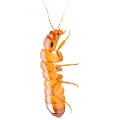
Termite barriers expiring. Most JVC villa termite barriers were installed during construction at then-standard concentrations. They're now 12-18 years past install, well past effective concentration. We've found active subterranean termite activity in roughly 1 in 4 JVC villas over 10 years old when we do an inspection-only visit.
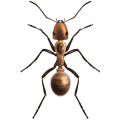
Ants from compound-wall vegetation. JVC villas have generous garden plots with extensive landscaping. Pharaoh and ghost ants establish in compound walls and forage indoors, especially in kitchens and pantries.
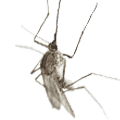
Mosquitoes from irrigation. Drip irrigation under landscaping creates standing-water microhabitats. Aedes mosquitoes breed in saucers under potted plants, in irrigation manhole covers, in drainage gulleys.
Wasps and hornets in garden structures. Pergolas, garden sheds, satellite dish brackets, light fixtures all attract paper wasp nests. Larger compound walls occasionally harbour Oriental hornet colonies.
Geckos and lizards seasonally. Less of a pest issue and more of a complaint issue — JVC villa owners regularly call about gecko populations on external walls. Geckos are largely beneficial (they eat mosquitoes and small insects) and we generally advise against eliminating them, though we can install exclusion at specific entry points.
Treatment programme: Quarterly maintenance (4 visits/year) covering termite barrier renewal cycle, ant treatment, mosquito source-removal, perimeter treatment, and on-call response. AED 1,800-3,200 annual for a typical 4-BR JVC villa.
Anti-termite barrier renewal as a one-time event runs AED 4,500-8,500 for a typical JVC villa, depending on perimeter and slab penetration count.
JVC townhouses
JVC has substantial townhouse inventory — attached homes sharing one or two boundary walls, typically 2-3 storeys, with small private gardens or courtyards.
Why townhouses are harder than villas:
Townhouses share walls. A pest issue in your neighbour's unit can migrate through the shared wall envelope to yours. The shared boundary is often a structural wall rather than a clear void, but plumbing chases, electrical conduit penetrations, and skirting board runs all provide migration paths.
Common pest issues:
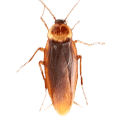
Cockroach migration through shared plumbing chases. German cockroaches in one townhouse's kitchen plumbing chase can supply foragers to two neighbouring units within weeks. Treating one unit alone gives short-term relief.
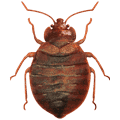
Bed bugs through shared walls. Less common but documented. Bed bug populations migrate along the wall-floor junction between attached townhouses if one unit has chronic activity.
Termite entry along compound boundary walls. The compound walls that join townhouses are common termite migration paths. Mud tubes appear on the side away from the affected unit; the unaffected side may not see signs until significant damage has occurred.
Mice from shared roof voids. Some JVC townhouse rows have shared attic spaces or unsealed roof voids. Mice exploit these for low-disturbance nesting.
Treatment programme: Quarterly maintenance with attention to shared-wall harborage points. Coordinate with neighbouring townhouse owners where possible — single-row treatment is much more effective than unit-only. AED 1,400-2,400 annual for a typical 3-BR JVC townhouse, or AED 3,500-6,500 for a coordinated row treatment.
JVC apartment buildings
JVC has both low-rise (4-6 storey) and mid-rise (8-15 storey) apartment buildings spread across the community. Building age ranges from 2010 to current.
Common pest issues:
Cockroaches via plumbing risers. Same dynamics as any Dubai apartment — shared kitchen and bathroom risers connect units floor-to-floor. JVC apartment buildings tend to have more accessible service ducts than older Marina or JLT buildings, which makes building-wide treatment more practical.
Pigeons on balconies. JVC apartment buildings see less pigeon pressure than Marina towers but it's not zero. South and west-facing balconies on the higher floors are pigeon-attractive.
Mosquitoes from community irrigation. JVC's community landscaping (parks, central greens, road-medians) maintains mosquito breeding sites. Apartments near community greens see seasonally elevated mosquito pressure.
Ants on ground-floor units. Ground-floor apartments see ant migration from the surrounding landscape. Ant pressure decreases sharply above the 3rd floor.
Bed bugs as transient introduction. Tenant turnover in JVC apartment stock is high — short-term rentals, holiday homes, and corporate housing all introduce bed bugs occasionally. Coordinated building treatment is the right scale of response.
Treatment programme: Quarterly common-area treatment for the building (basement, chute bay, service rooms) plus opt-in or contracted unit-level treatment. Building-wide programme for a typical JVC apartment block runs AED 11,000-22,000 annual depending on size; per-unit charge AED 280-450 per visit.
What's specific about JVC pest pressure
Construction-phase pest introductions. JVC has been continuously under construction for 18 years. Active construction sites within JVC introduce rodents, cockroaches, and stored-product pests into the community. Buildings adjacent to active construction blocks see seasonally elevated pest pressure.
Community-wide irrigation infrastructure. JVC's central park system, roundabout landscaping, and main road irrigation create mosquito and ant pressure that doesn't respect property boundaries. Individual property treatment is necessary but never sufficient — the community baseline matters.
Mixed building age effects. Older JVC stock has aging termite barriers, settled compound walls (with new cracks), and original-spec plumbing. Newer stock has tighter envelopes and more recent termite treatments. Pest pressure averages across these but specific properties can be at either extreme.
High tenant turnover. JVC's mix of investors, owner-occupiers, and short-term renters keeps tenancy turnover high. Furniture moves, suitcases come and go, and the rate of pest introduction (especially bed bugs) is higher than in stabler Dubai communities.
Cost summary by JVC property type
Standalone villa (typical 4-5 BR):
- General quarterly treatment programme: AED 1,800-3,200 annual.
- One-time anti-termite barrier renewal: AED 4,500-8,500.
- Mosquito source-removal audit: AED 350-650 per audit.
- Single-call cockroach or ant treatment: AED 350-600.
Townhouse (typical 3-BR):
- General quarterly programme: AED 1,400-2,400 annual.
- Coordinated multi-unit row treatment: AED 3,500-6,500 for the row.
- Shared-wall pest investigation: AED 350-550 (one-time).
- Single-call treatment: AED 280-500.
Apartment (typical 2-BR):
- General quarterly unit programme: AED 800-1,400 annual.
- Single-call treatment: AED 220-450.
- Building-wide common-area programme (OA contract): AED 11,000-22,000 annual for a typical block.
When to escalate to community-wide
Individual property treatment in JVC is necessary baseline. But if you've been doing individual treatment for 12+ months and pest pressure remains high, the issue is community-level. The escalation path:
Townhouse residents: Coordinate with the immediately neighbouring units (left and right of yours; the unit above and below for stacked townhouse rows). A 3-5 unit coordinated treatment usually resolves what individual treatment couldn't.
Apartment residents: Raise with the building OA. Building-wide common-area treatment is OA-funded; the cost per unit is small (AED 50-120/year) and the impact on individual unit pest pressure is large.
Villa residents: Coordinate with neighbours along compound walls. Anti-termite barrier renewal in your villa is much more effective when neighbouring villas have intact barriers; if all the surrounding villas are post-warranty with no renewal, the regional termite pressure stays high regardless of your individual treatment.
FAQ
Is JVC more pest-prone than other Dubai communities?
Mixed. JVC has more active construction nearby than older communities like Mirdif or Arabian Ranches, which keeps regional pest pressure higher. JVC also has more community irrigation than denser apartment-only communities like JLT, which sustains higher mosquito populations. Net result: JVC pest pressure is probably moderate-to-high relative to other Dubai communities of similar age.
My JVC apartment has a recurring cockroach issue. What's the right move?
First — verify whether the building has a common-area pest control programme. If yes, raise the unit issue through building management. If no, raise the building-wide programme question with the OA. Individual unit treatment alone in an apartment without common-area treatment is usually a permanent maintenance bill.
Are there specific JVC pest peaks during the year?
Late spring (March-May) sees ant activity spike across all property types. Summer (June-September) sees cockroach activity peak in apartments and townhouses. Late summer / early autumn (August-October) sees mosquito peaks. Winter is the lowest pressure period for most pests but rodent activity rises slightly as outdoor temperatures drop.
Can I get same-day pest treatment in JVC?
Yes. PestSwift dispatches same-day for urgent issues across JVC during business hours, with arrival within 90-180 minutes typically.
Related guides: Termite renewal for Mirdif villas · Pest control in Arabian Ranches
If you live in a JVC villa, townhouse, or apartment, contact PestSwift for a property-type-specific pest assessment. We service JVC and broader Dubai with villa pest control, apartments pest control, and tower pest control programme contracts.
Tags
Written by
Rashid Al Mansoori, Operations Manager
PestSwift technicians and entomologists publish field-tested pest control guidance for UAE homes and businesses.